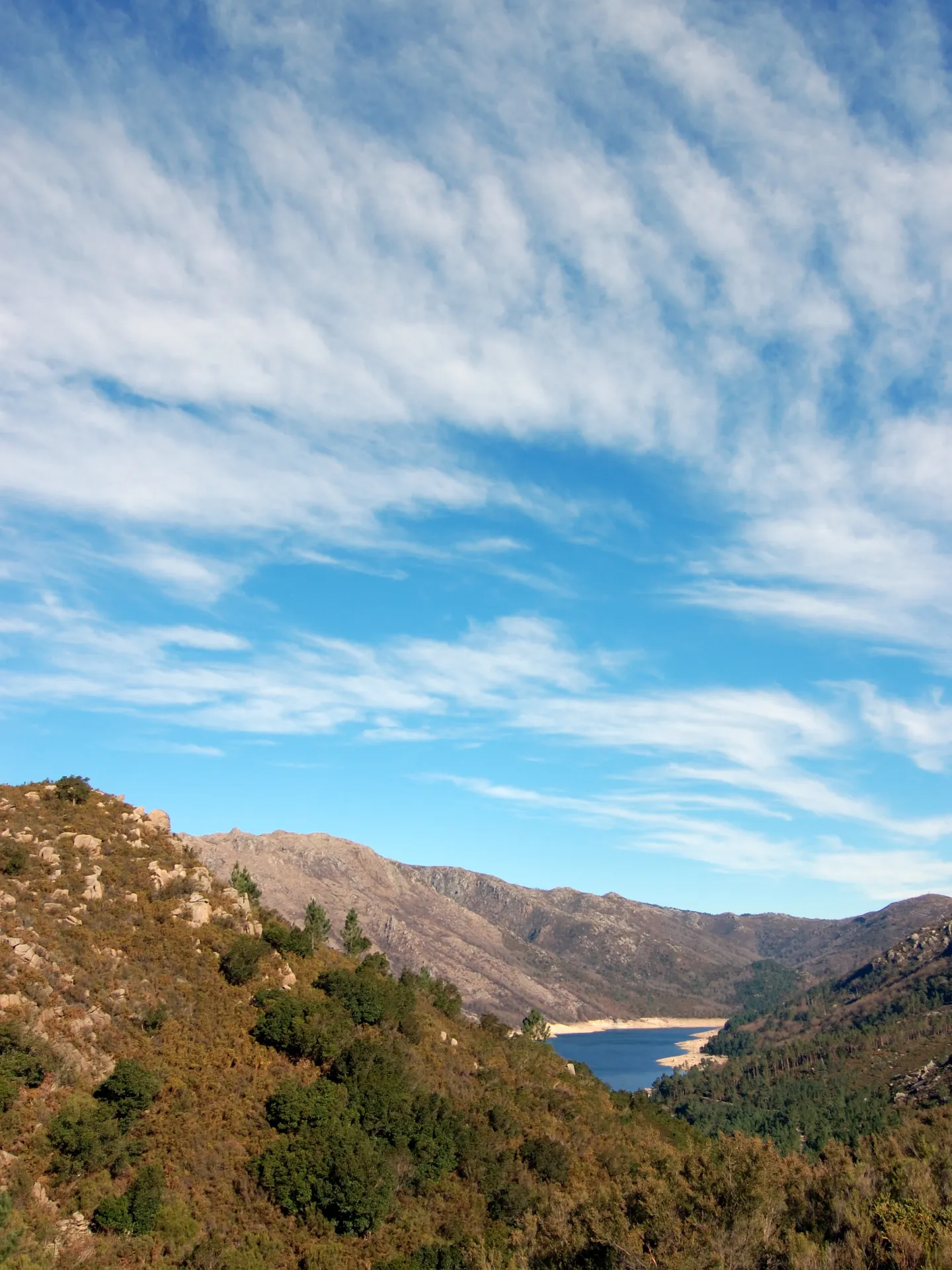
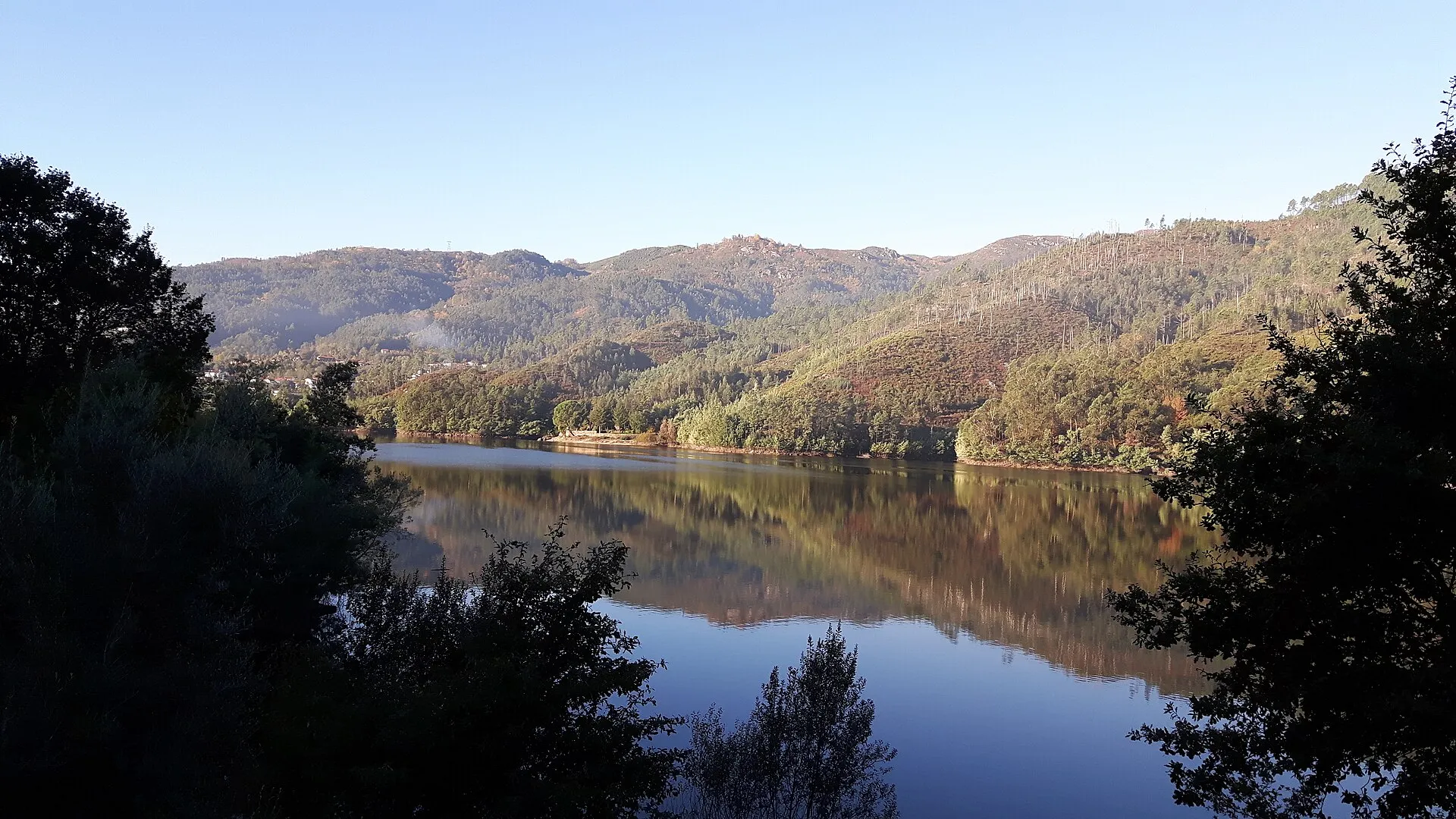
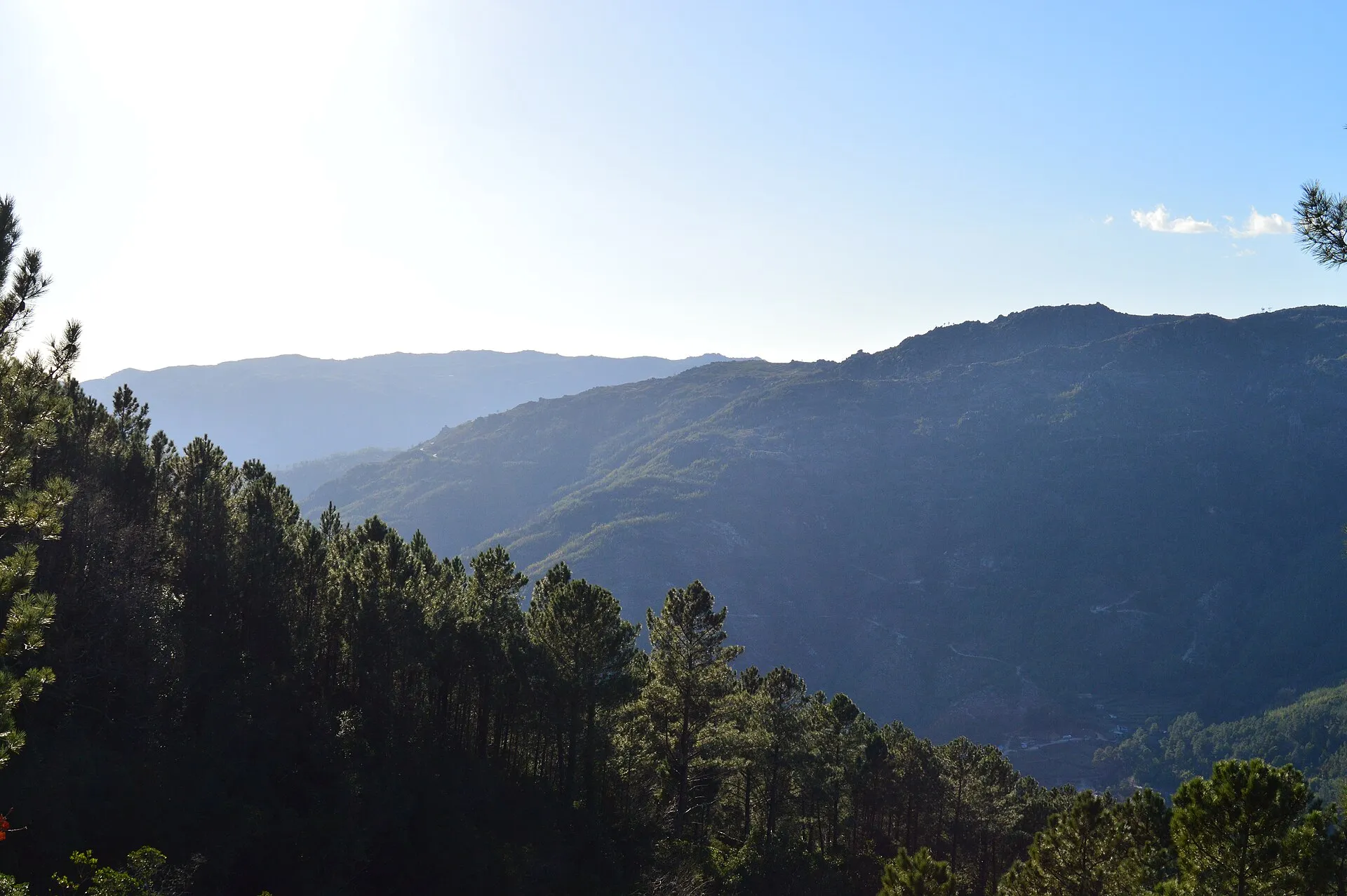
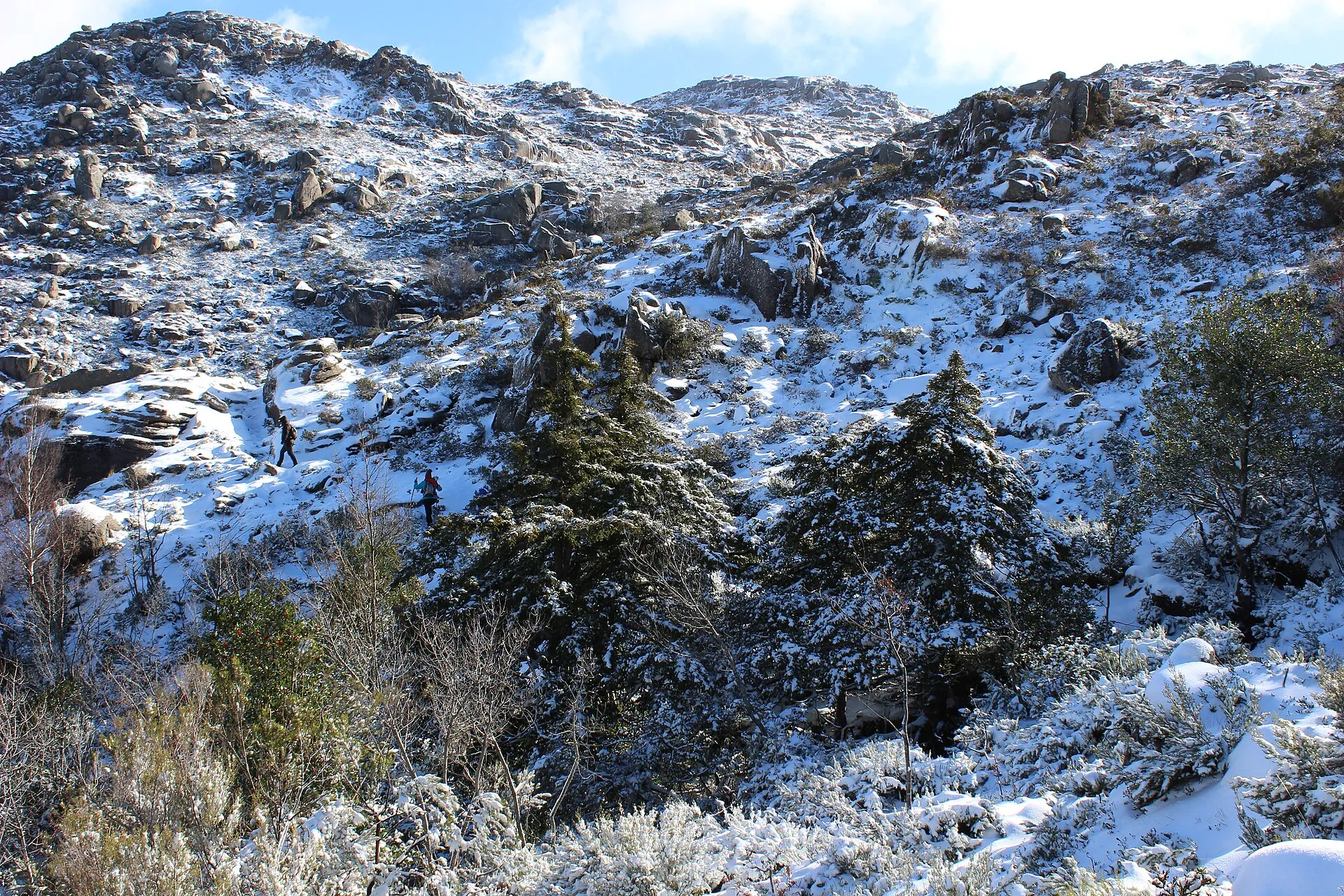
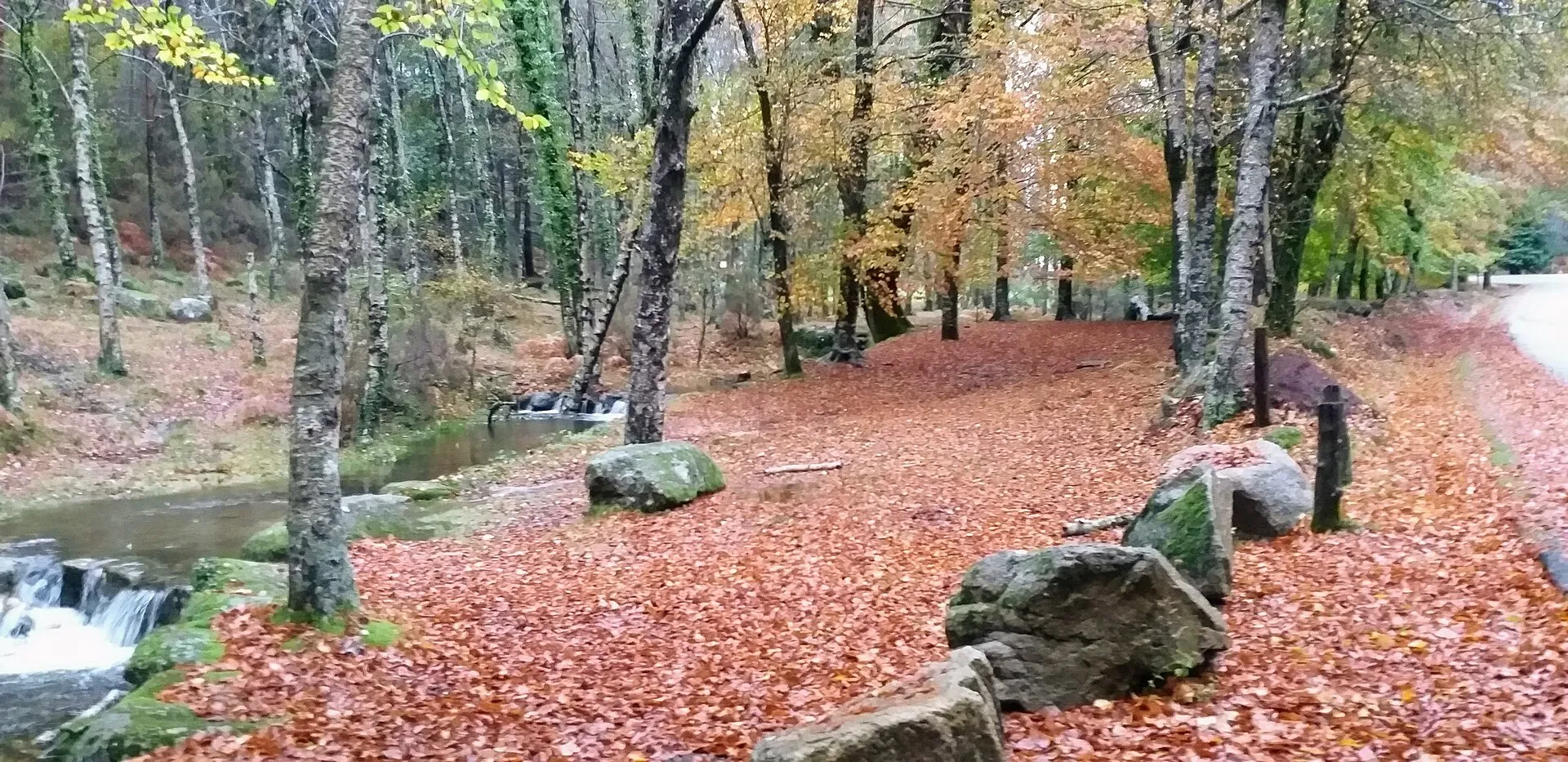
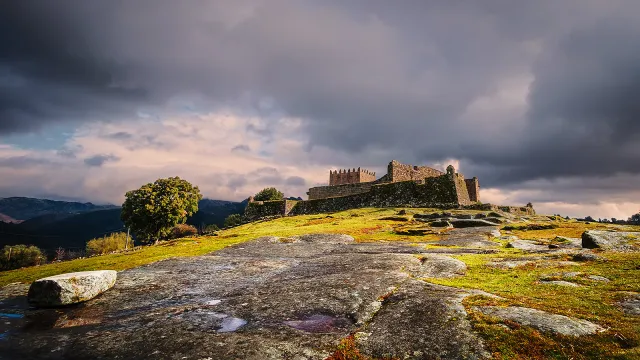
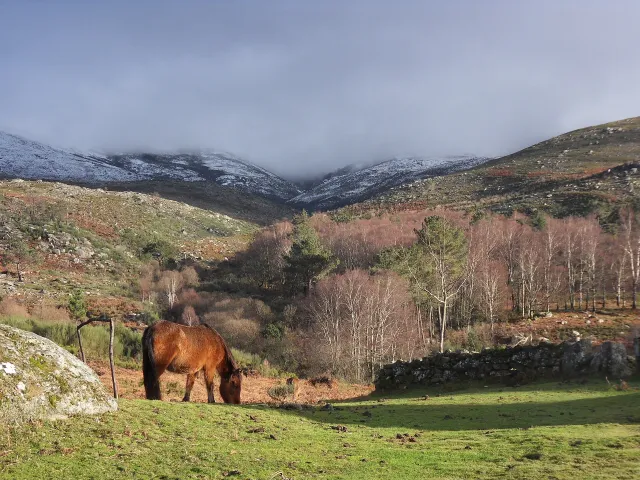
Peneda-Gerês was given its name by its two main granite massifs, the Serra da Peneda and the Serra do Gerês which, with the Serra Amarela and the Serra do Soajo, constitute the park's highest peaks. On the other hand, the precipitous valleys, crossed by high flowing streams, host lush temperate broadleaf and mixed forests of oak and pine, being one of the last strongholds of the typical Atlantic European flora of Portugal, contrasting with an evolving Mediterranean biome. The park is also home to around 220 vertebrate species, some only native to the Iberian Peninsula including the threatened Pyrenean desman, Iberian frog, or gold-striped salamander.
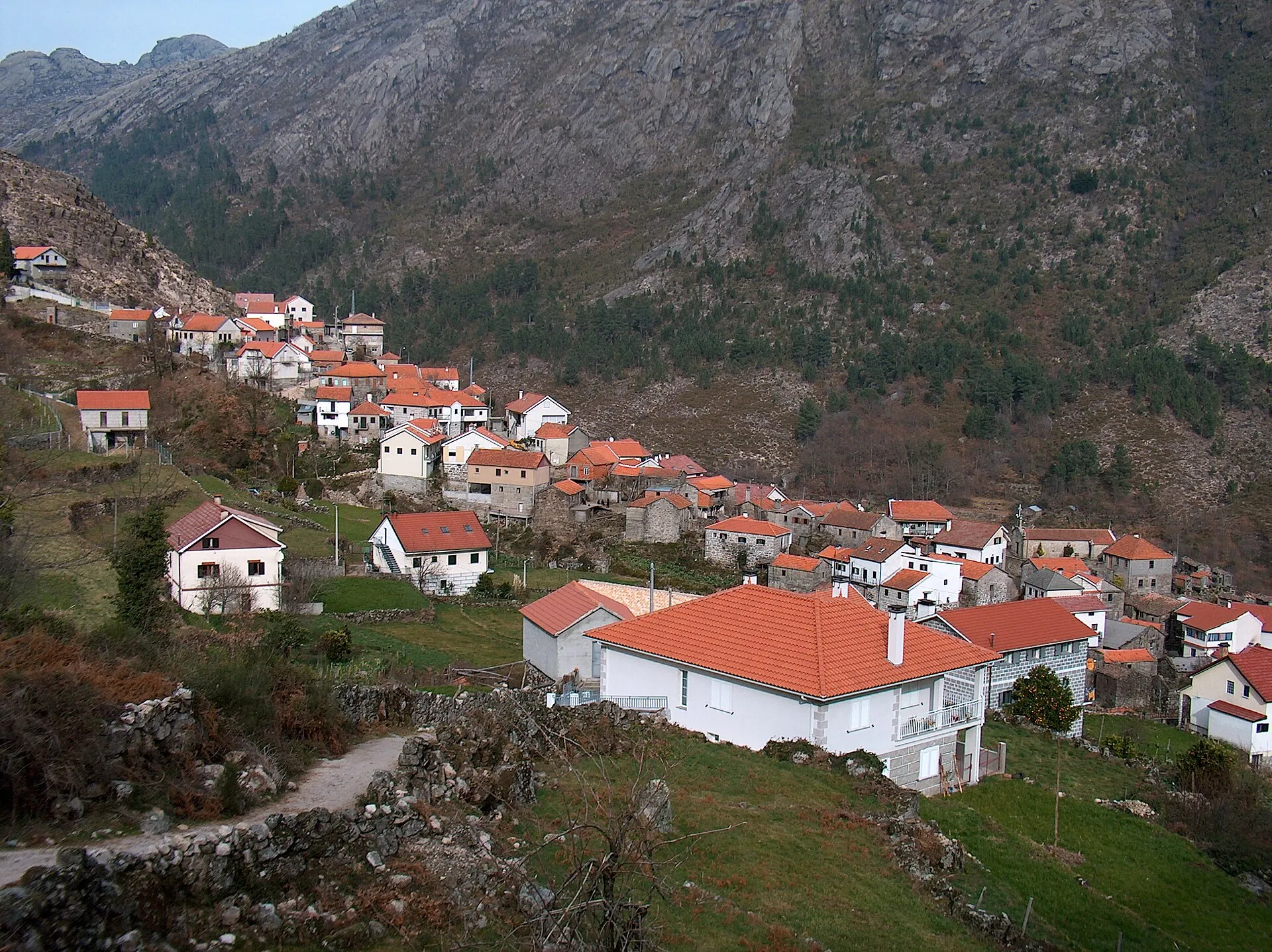
The area now occupied by the park has had a long history, reflected by its countless megalithic structures and Roman remains. Presently it is home to around 9,000 people scattered throughout small villages.
The aims of the park are to protect the soil, water, flora, fauna and landscape, while preserving its value to the existent human and natural resources, as such its surrounding airspace is restricted.
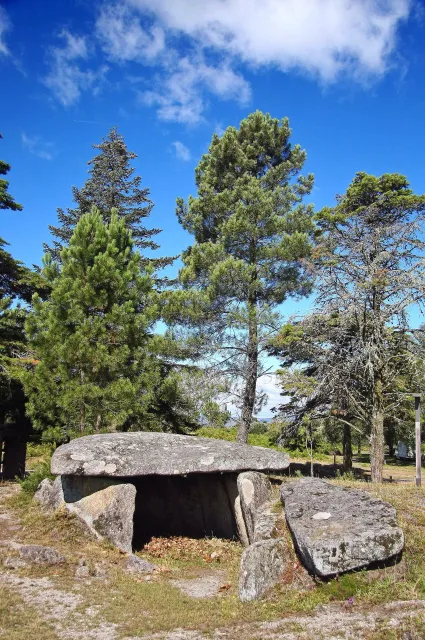
Probably due to the inhospitality of the Gerês Mountains, the oldest signs of human presence date only from 6000 BC to 3000 BC; dolmens and other megalithic tombs remain interspersed within the region, including near Castro Laboreiro and Mourela. Human activities consisted of animal husbandry and incipient agriculture, and archaeological evidence points to the beginning of a decrease in forest cover.
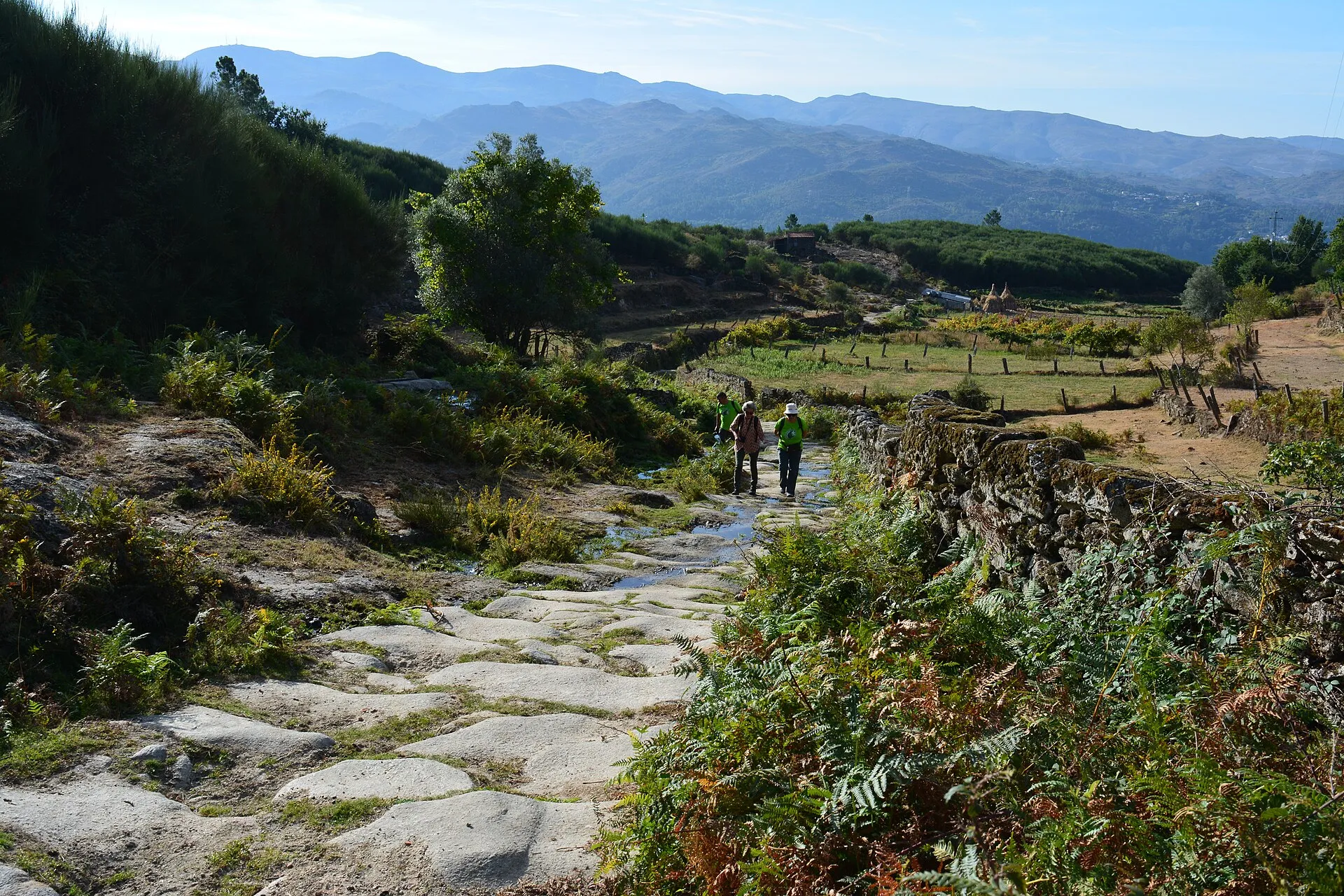
The Roman Geira, a Roman road, which formerly connected the Roman civitates of Asturica Augusta and Braccara Augusta, crossed what is now the park. Long stretches of the road along the Homem River are still preserved, as are several Roman bridges and numerous millenarium markers. The Germanic tribe of the Buri accompanied the Suebi in their invasion of the Iberian Peninsula and establishment in Gallaecia (modern northern Portugal and Galicia).

 1 / 8