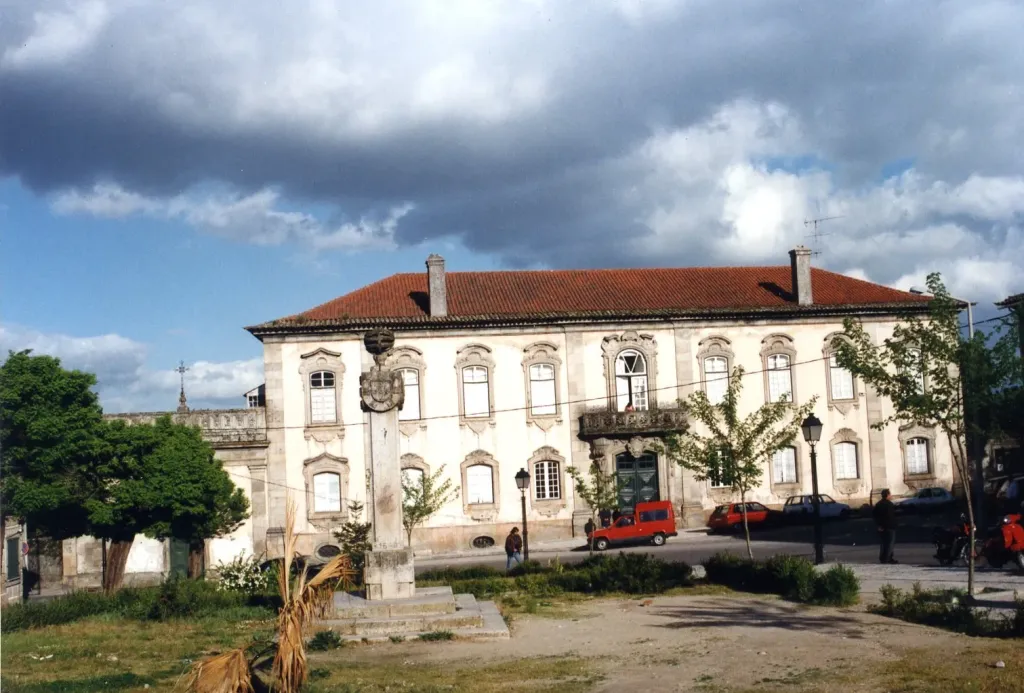
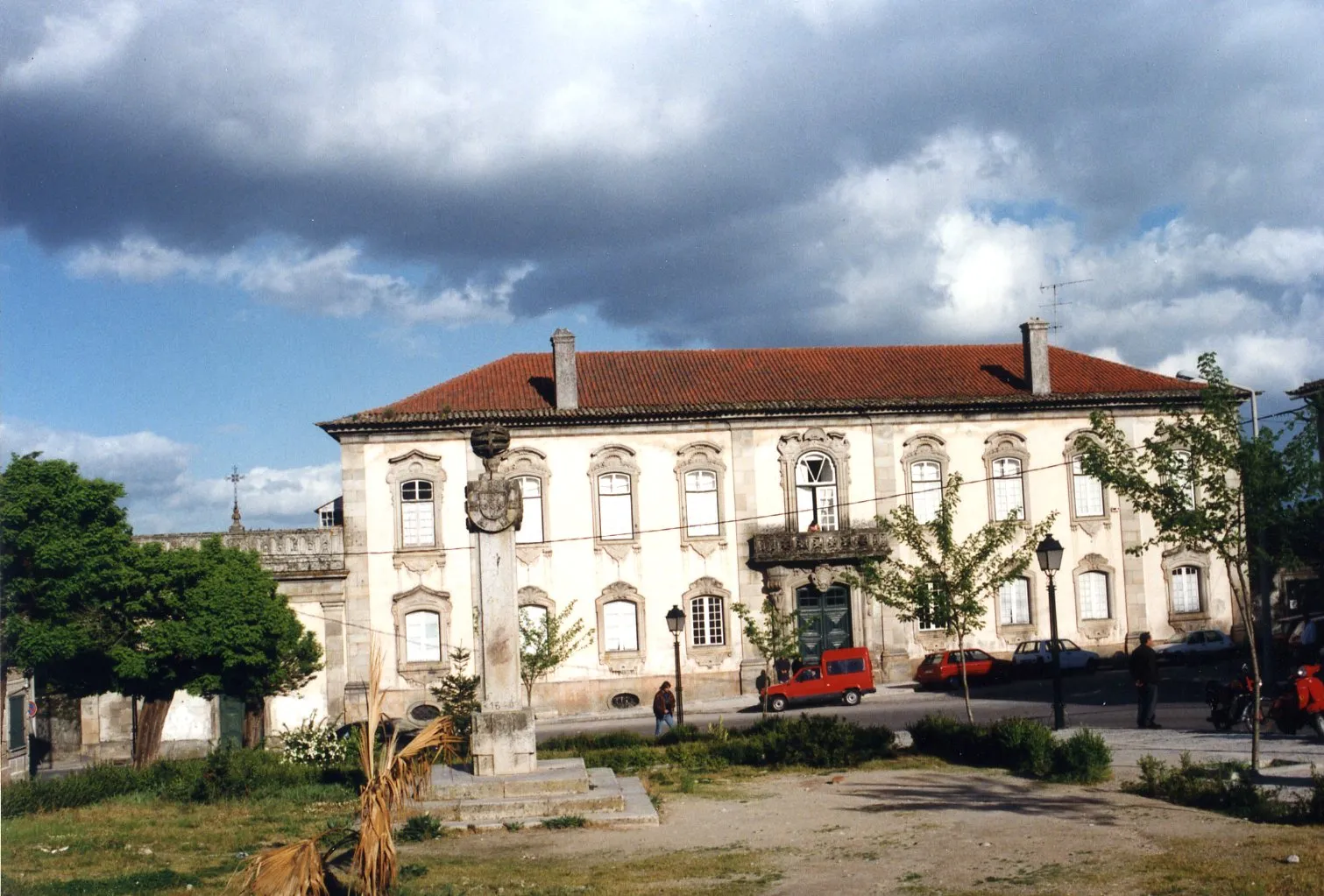
The estate comprises the main residence, which includes a chapel dedicated to St Bernard, historic gardens, and woodland planted in the eighteenth century. The palace has preserved many of its original features and houses a collection of paintings, furniture, sculpture, and period costumes belonging to the family and the estate. Particularly notable are the tiles panels that decorate the principal areas of the house. The palace has been listed as a Property of Public Interest since 2014.
The origin of the Paes do Amaral family house in Mangualde dates back to the late 16th century and has belonged to this family since the 17th century.
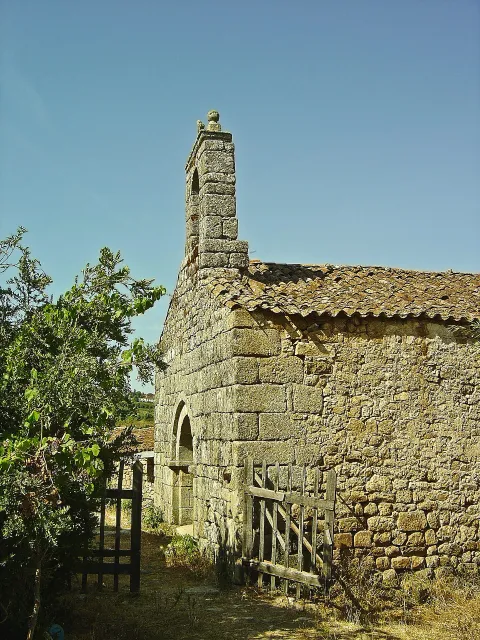
In 1646, Gaspar Pais do Amaral, Capitão-Mor (Captain-Major) of Azurara da Beira, established in entail the chapel he owned within the town, dedicated to St Bernard. In his will of 1654, he appointed as his successor and administrator of both his chapel and morgado his nephew Miguel Pais do Amaral, a nobleman of the Royal Household, familiar of the Holy Office, and Knight of the Order of Aviz, 5th Lord of the House of Mangualde and 1st Lord of the Morgado of St Bernard. Together with his wife, Ana do Amaral, he rebuilt the chapel of St Bernard and commissioned a new chancel (in 1683), also acquiring properties (the town hall and prison buildings) adjoining the south side of the present palace.
From 1686 onward, their son, Simão Pais do Amaral, 6th Lord of the House of Mangualde, continued to acquire further houses and lands, and in the early eighteenth century (between 1701 and 1713) began the construction of what would become the Palace of the Counts of Anadia. The building works of the Pais do Amaral residence in Mangualde were carried on by Miguel Pais do Amaral. Construction lasted for approximately a century, being completed only in the time of Simão Pais do Amaral, 9th Lord of the House of Mangualde, at the beginning of the nineteenth century, when the garden, estate, and woodland were also remodelled.