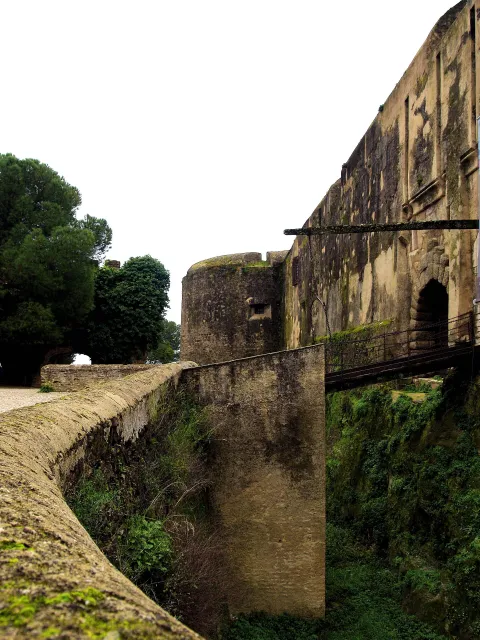
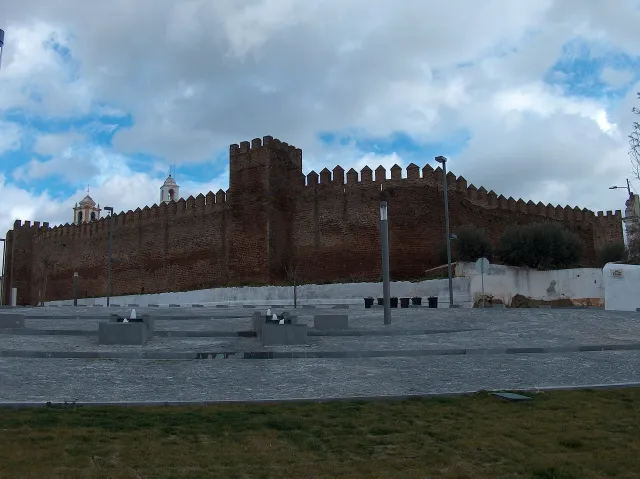
Vila Viçosa became a fiefdom of the Dukes of Braganza when Fernando I of Braganza succeeded his father Afonso, 1st Duke of Braganza, and received the title of Count of Arraiolos from his grandfather, Nuno Alvares Pereira. Fernando I established his seat at the primitive Vila Viçosa Castle. However, following the 1483 execution of his son, Fernando II, 3rd Duke of Braganza, for treason by order of King John II of Portugal, the family was exiled to the Kingdom of Castile. Returning in 1498 (after the death of King John II in 1495), the family regained its ancestral lands, although Jaime, 4th Duke of Braganza (Fernando II's successor), declined to live in the Castle of Vila Viçosa, owing to its association with his father's betrayal and murder.
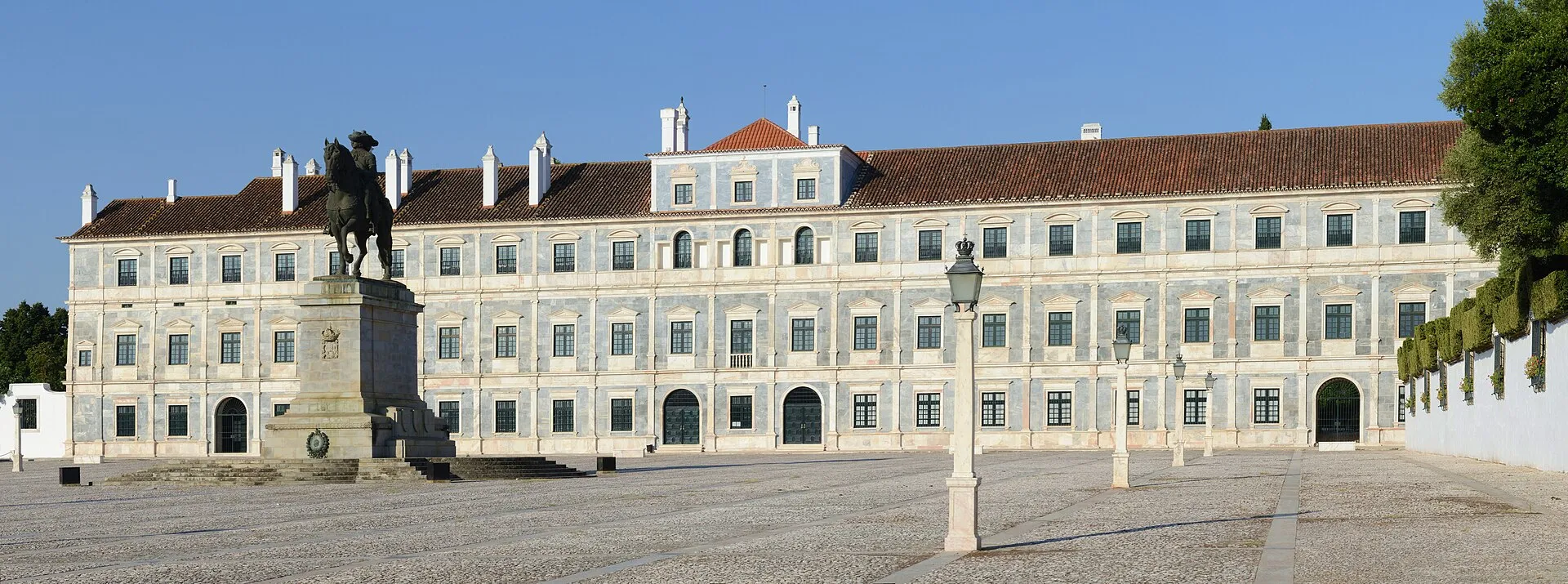
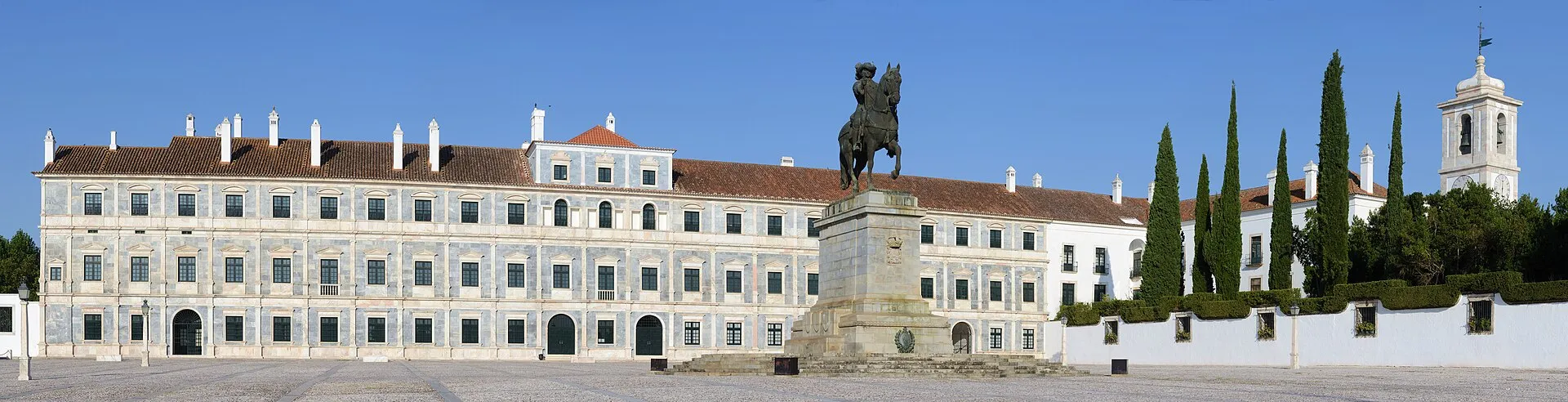
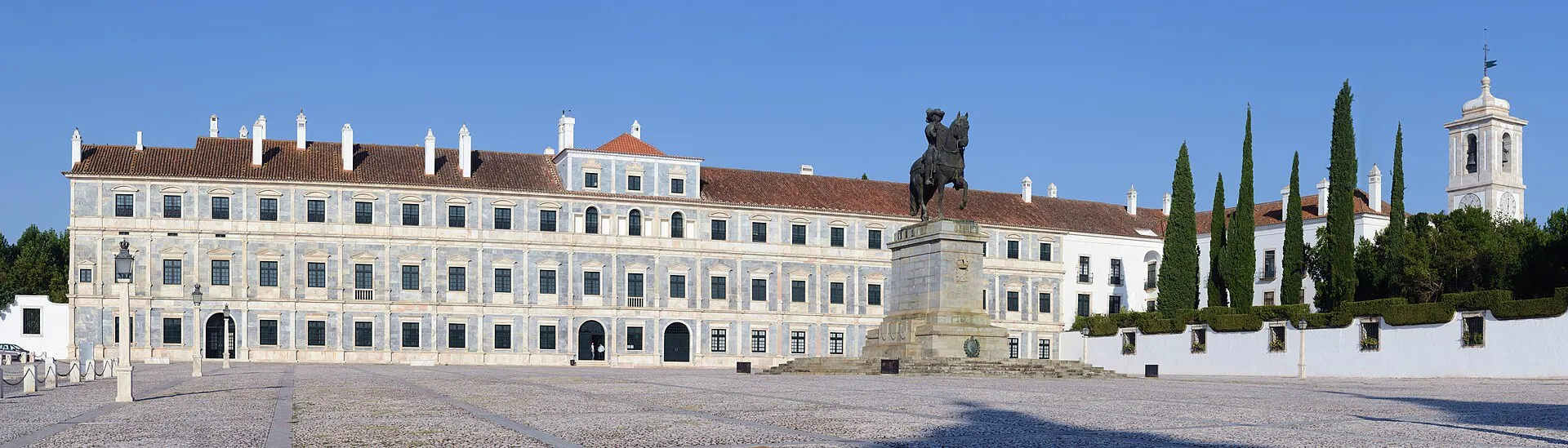
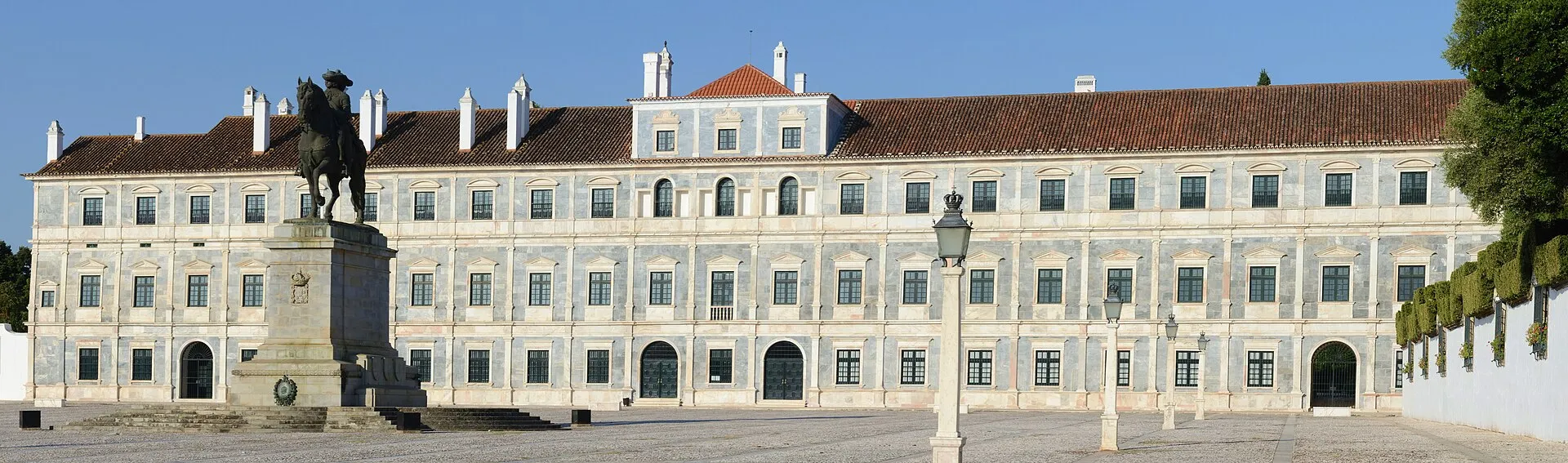
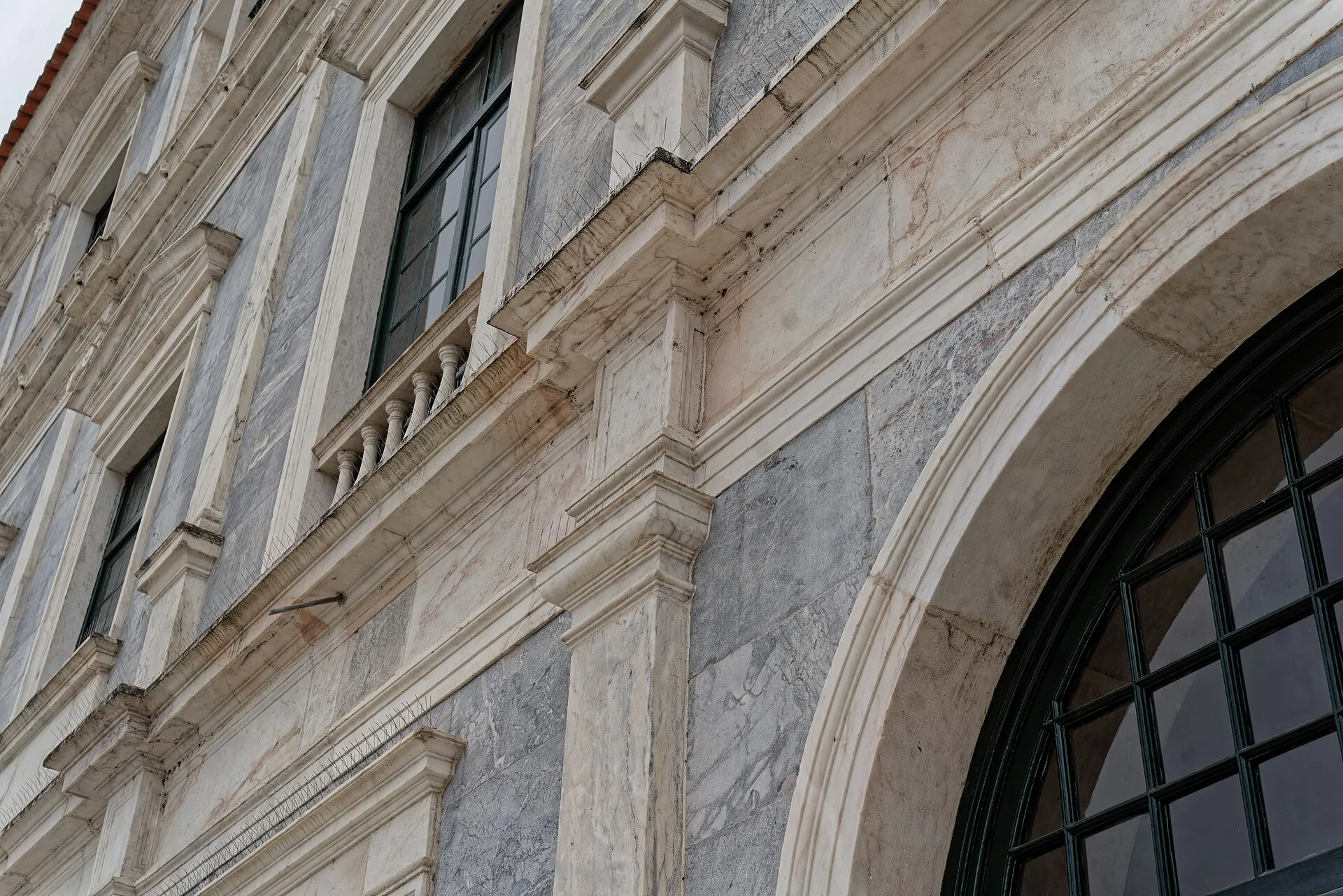
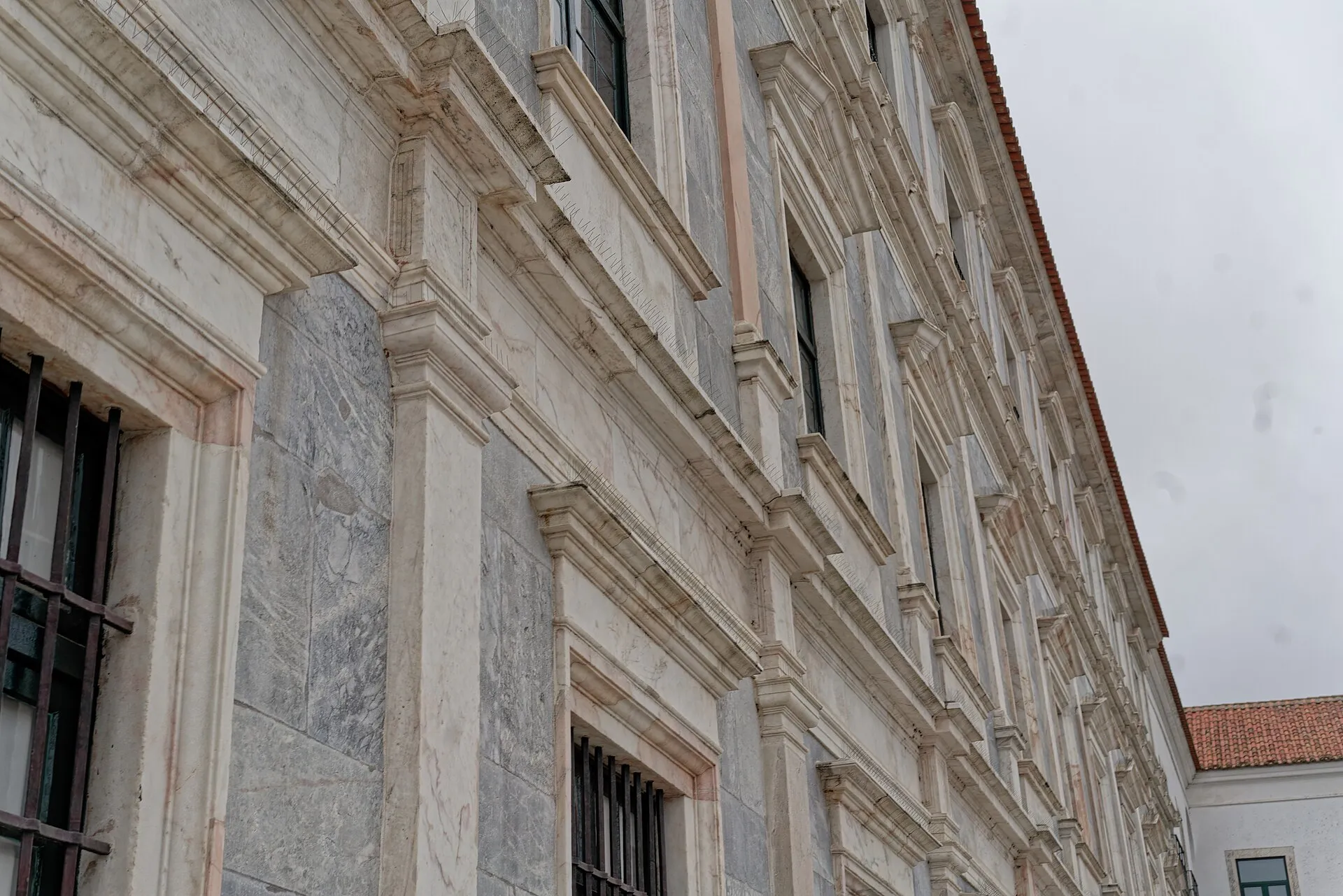
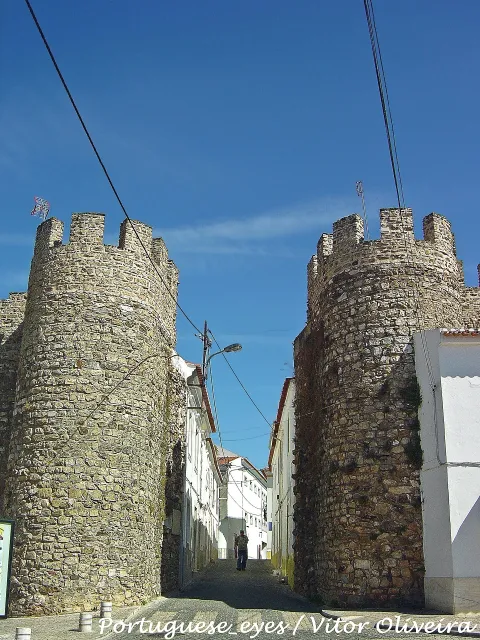
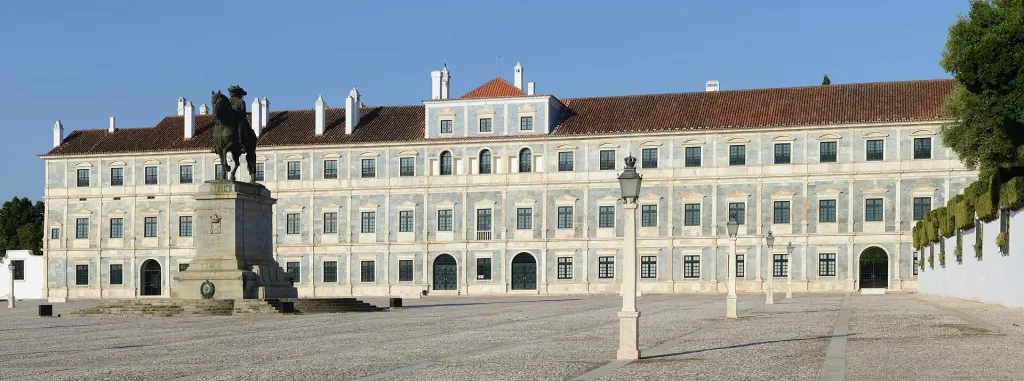
Construction of the ducal palace of the Dukes of Braganza began during the tenure of Duke Jaime of Braganza, between 1501 and 1502. It was situated in the Horta do Reguengo outside the walls of the nearby medieval village, in an area that was "characterized by extensive olive orchards and an abundance of water", presenting some similarities to the feudal residences of the region, such as the Sempre Noiva or Paço de Alvito. The House of Braganza regained much of its power and wealth over time due to Duke Jaime's close kinship with the royal family (he being the nephew of King Manuel I of Portugal) and his actions in reconciling relations between the nobles. Duke Jaime of Braganza commanded the victorious expedition to Azamor in 1513, and having secured a pardon expanded the wealth of the House of Braganza, and contributed to the growth of the ducal palace.
In 1535 Teodósio I, 5th Duke of Braganza was appointed Constable of the Kingdom. He managed to negotiate the marriage of his sister, Isabella of Braganza, with Infante Edward, 4th Duke of Guimarães (a brother of King John III of Portugal), securing a closer association with the royal family.

 1 / 6