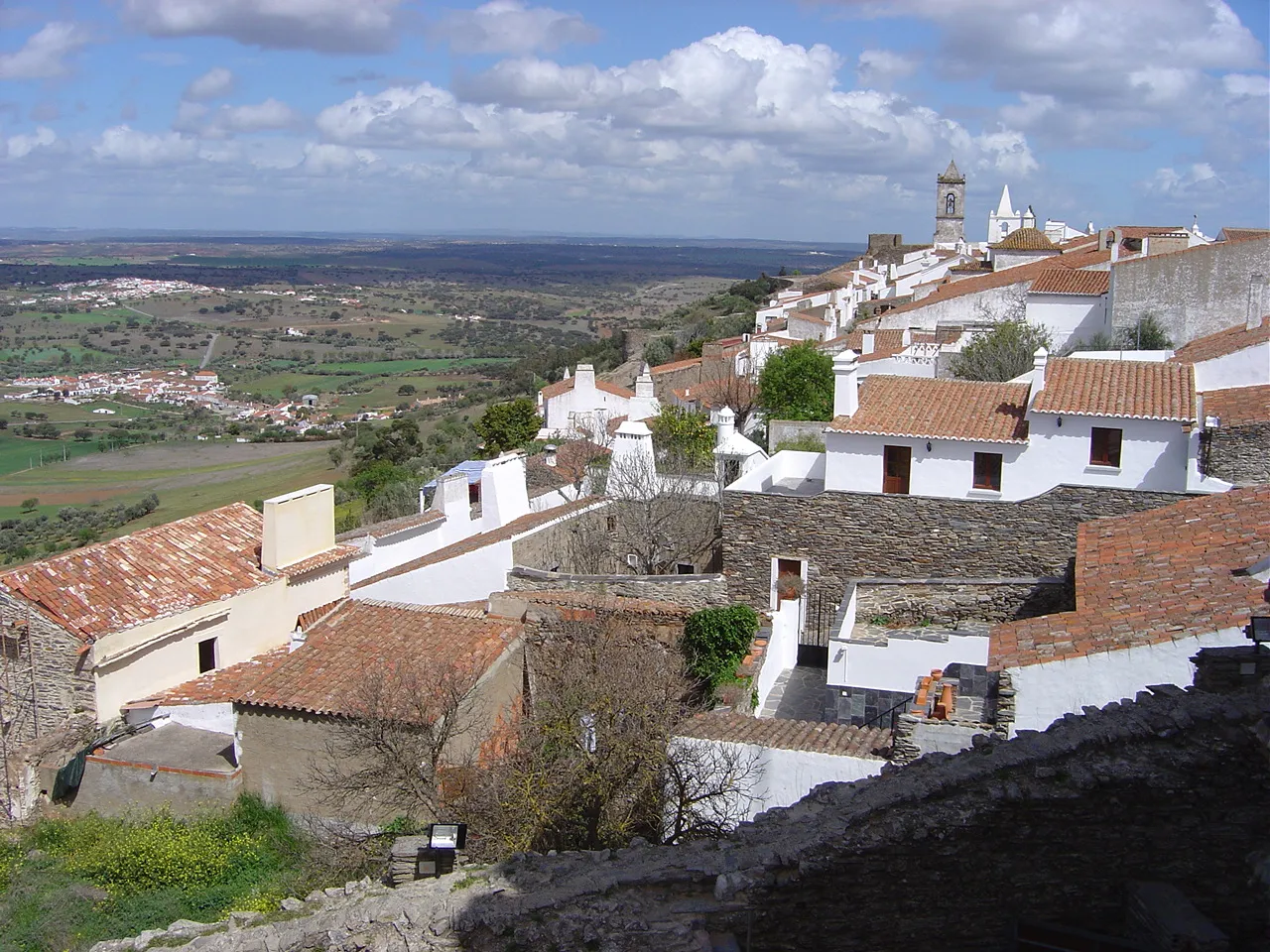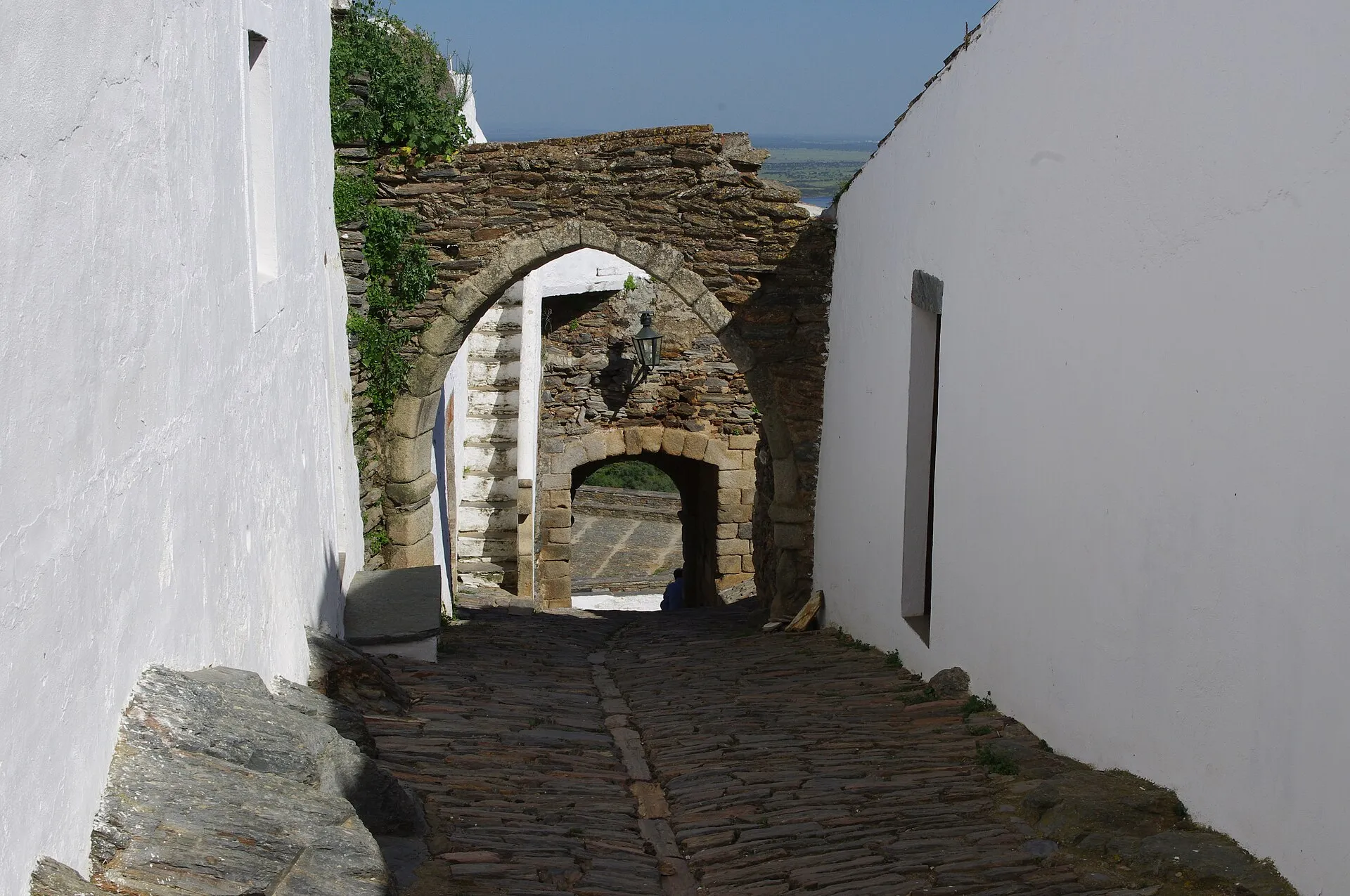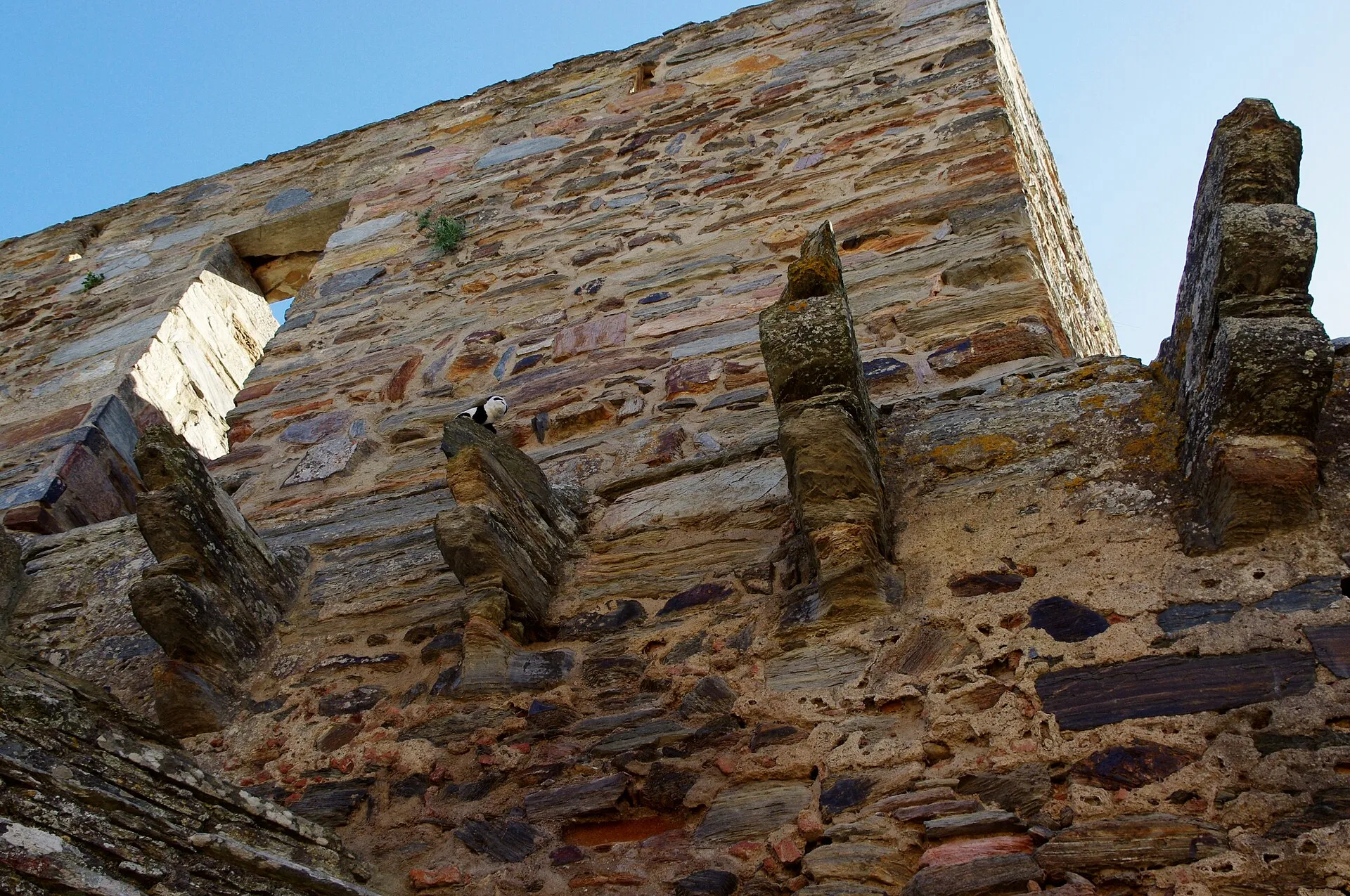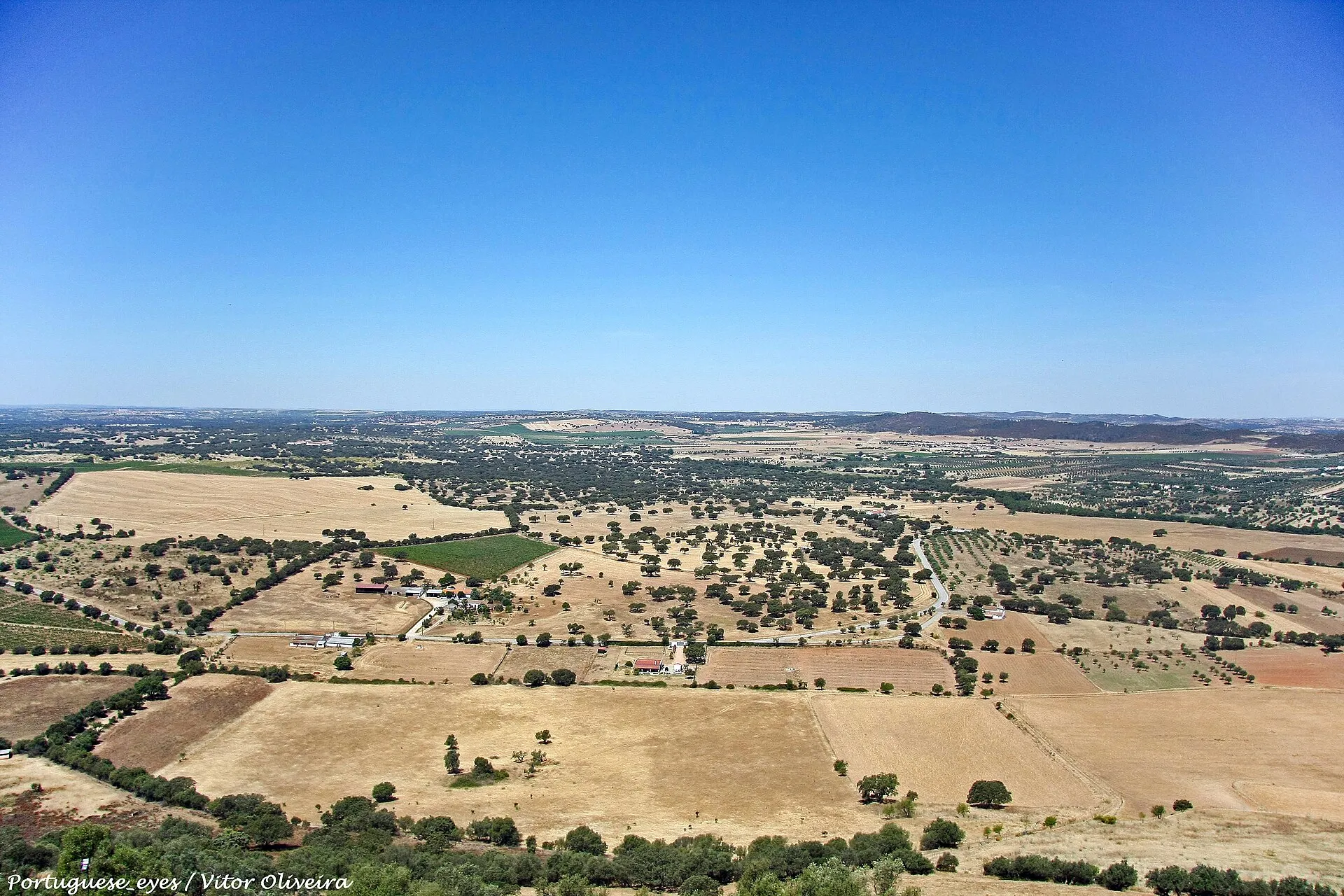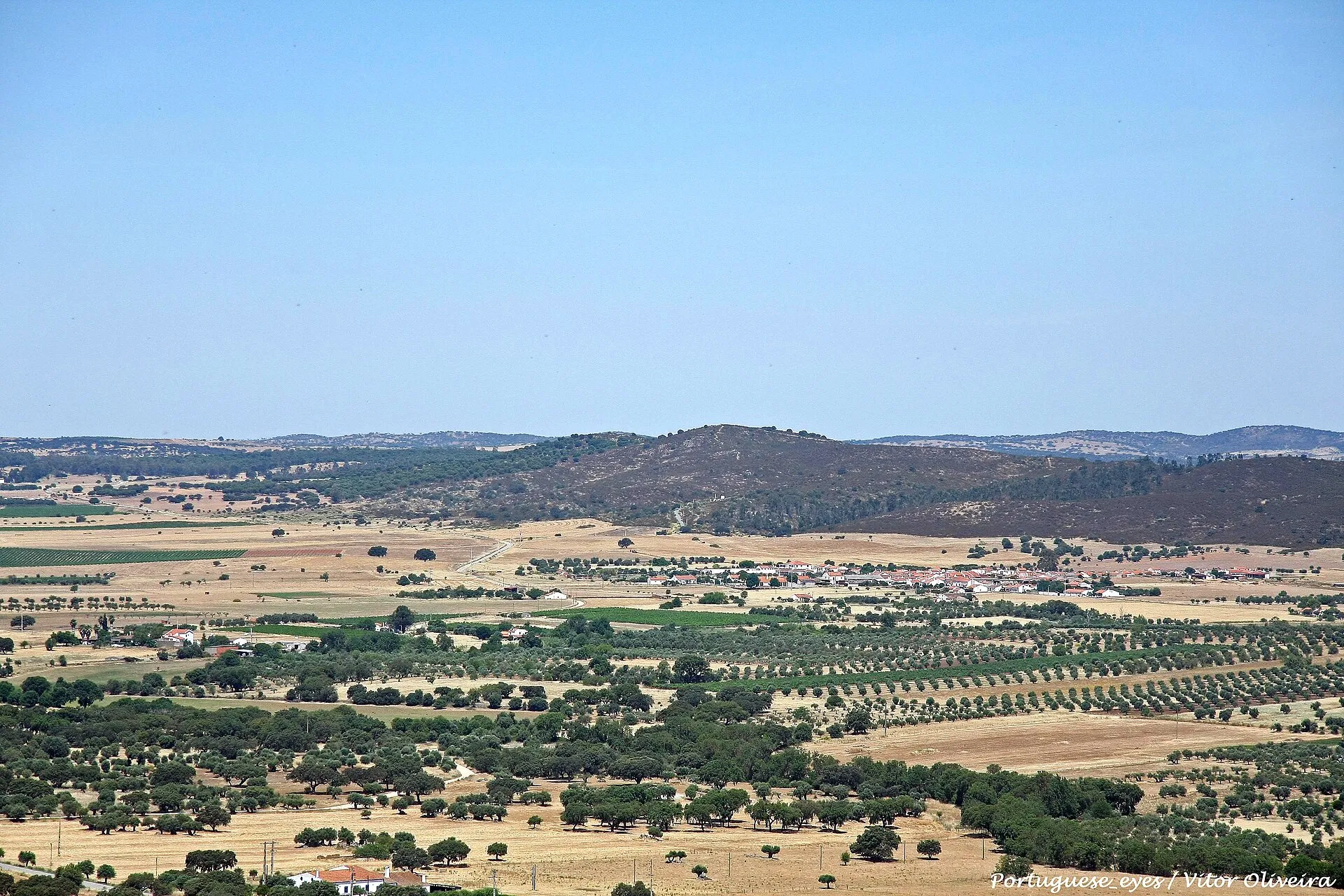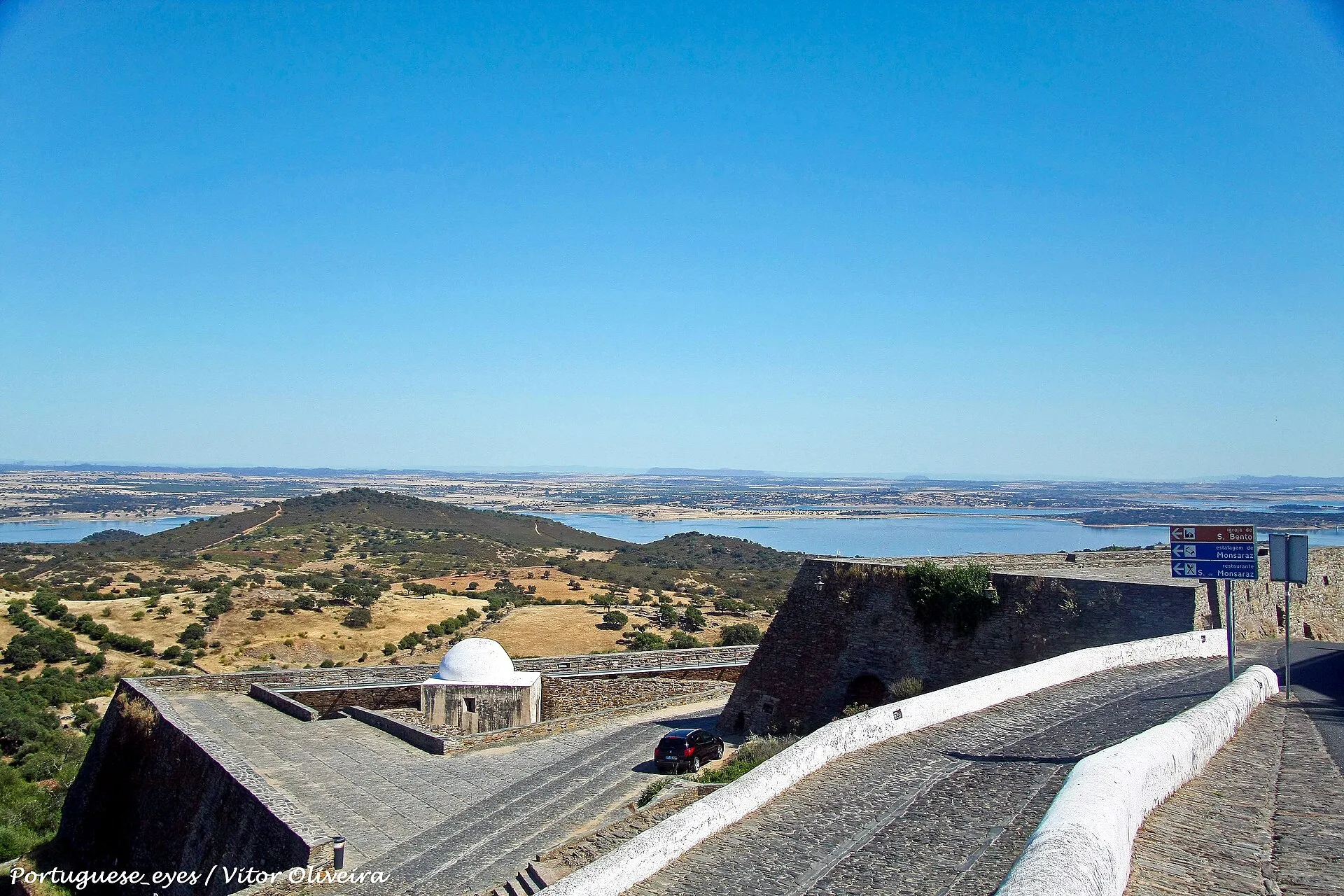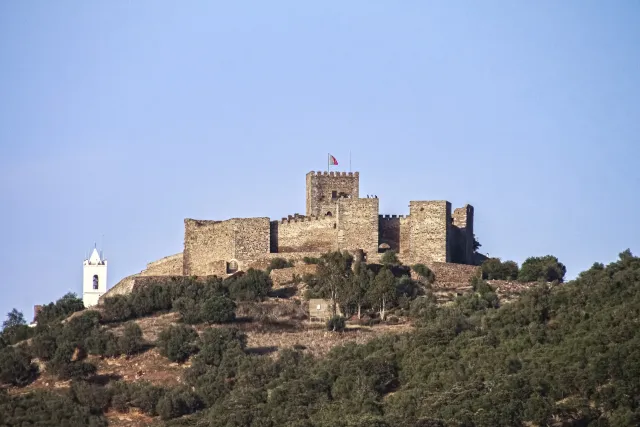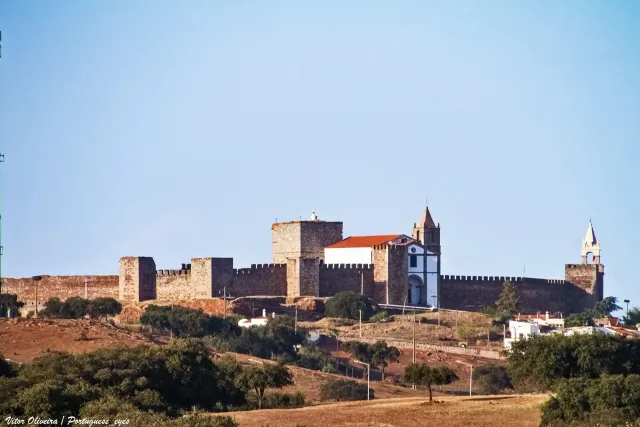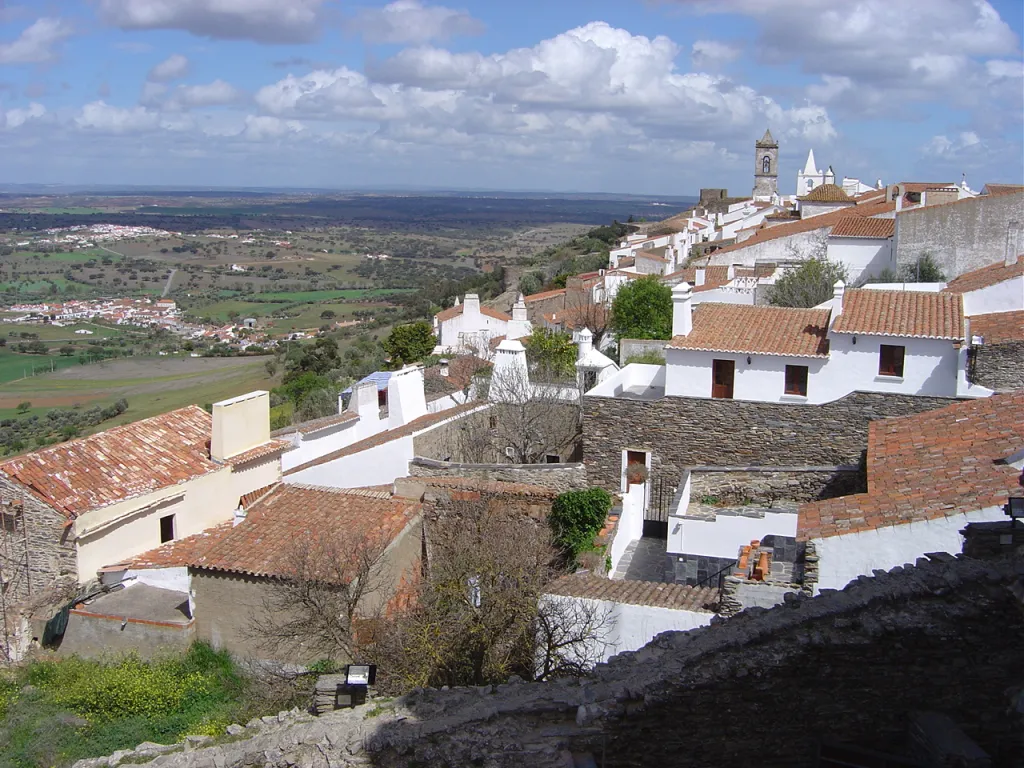
Monsaraz was reorganized during the Roman occupation, and was later successively occupied by the Visigoths, Arabs, Mozarabs, Jews, and, after the Reconquista, Christians loyal to Afonso Henriques. In the 8th century, Monsaraz fell under the dominion of Arab forces who occupied the Iberian Peninsula, becoming known as Saris or Sharish, and following the control of the Taifa of Badajoz (one of the more prominent Arab centres at the time). The name Monsaraz originates from the word Xarez or Xerez, the Iberian transliteration of the Arabic Saris or Sharish, for the Gum Rockrose (Cistus ladanifer L.), a plant that still today prospers in poor, dry, acidic slate-based soil that surrounds Monsaraz. The Iberian words Xarez/Xerez latter evolved to the Portuguese Xaraz and to the Spanish (Castilian) Jerez (the Spanish name for the sherry wine). The settlement therefore came to be known as Monsaraz, originating from Monte Xaraz, i.e., fortified hill surrounded by Gum Rockroses. Its naturally prominent position, being the highest hill in the area as well as its proximity to the deep Guadiana valley, made it a location of strategic importance.
In 1167, the Castle and medina was taken by Geraldo Sem Pavor, in an expedition that came from Évora (which had just been retaken, about the same time). After, Afonso Henriques' defeat in Badajoz, Monsaraz was once again taken by Muslim forces. In 1232, supported by the Knights Templar, King Sancho II definitively retook the citadel and town, placing it under the control of the Templars, and obligating them to establish a garrison that would protect the border.