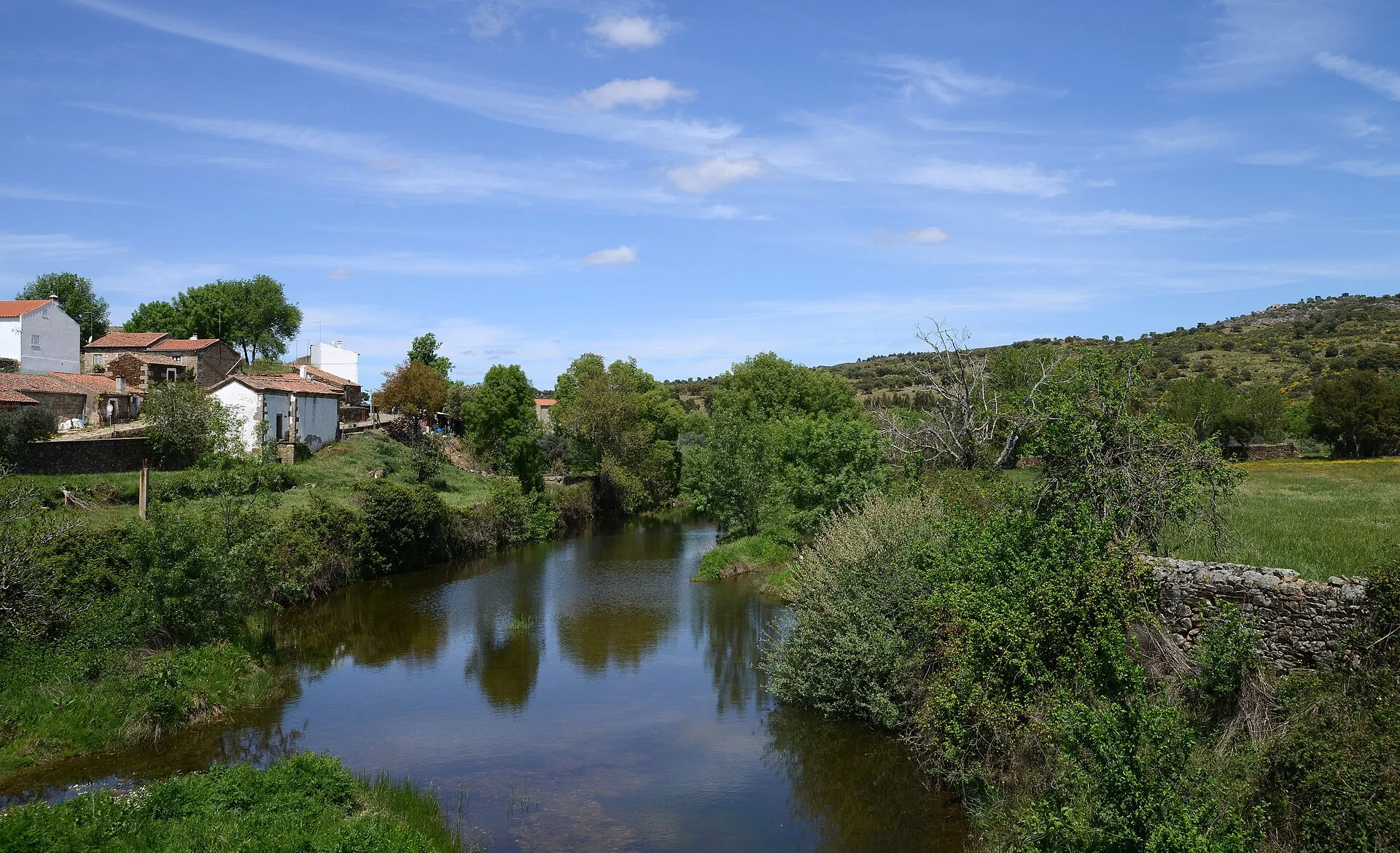
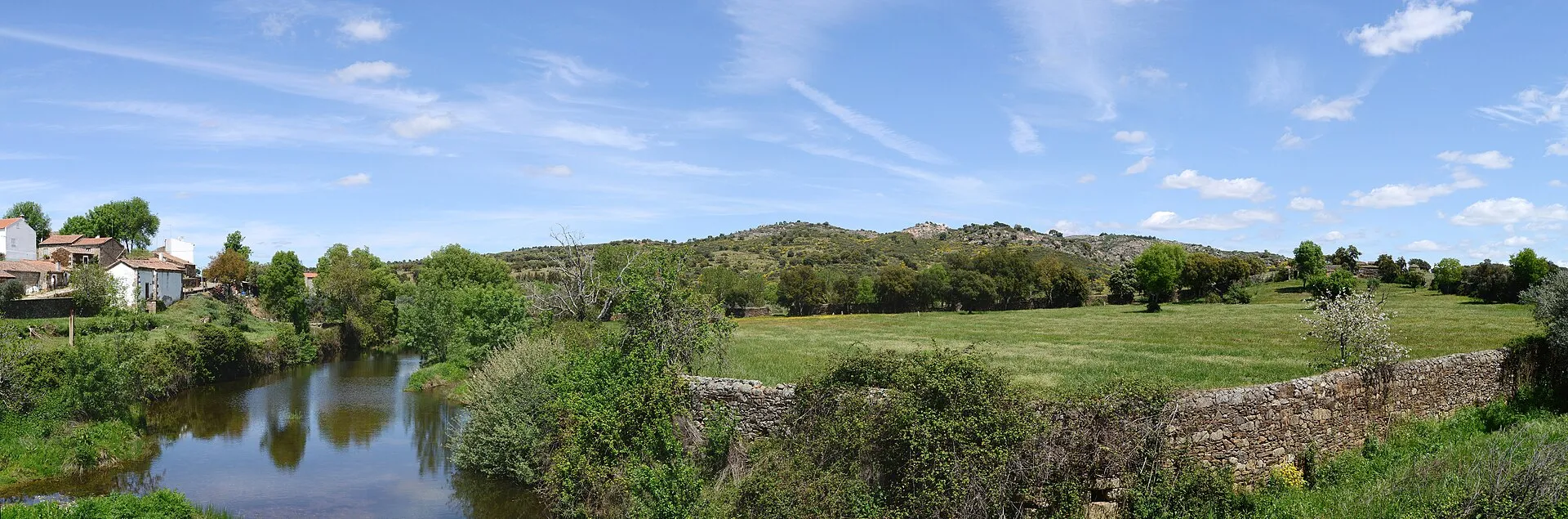
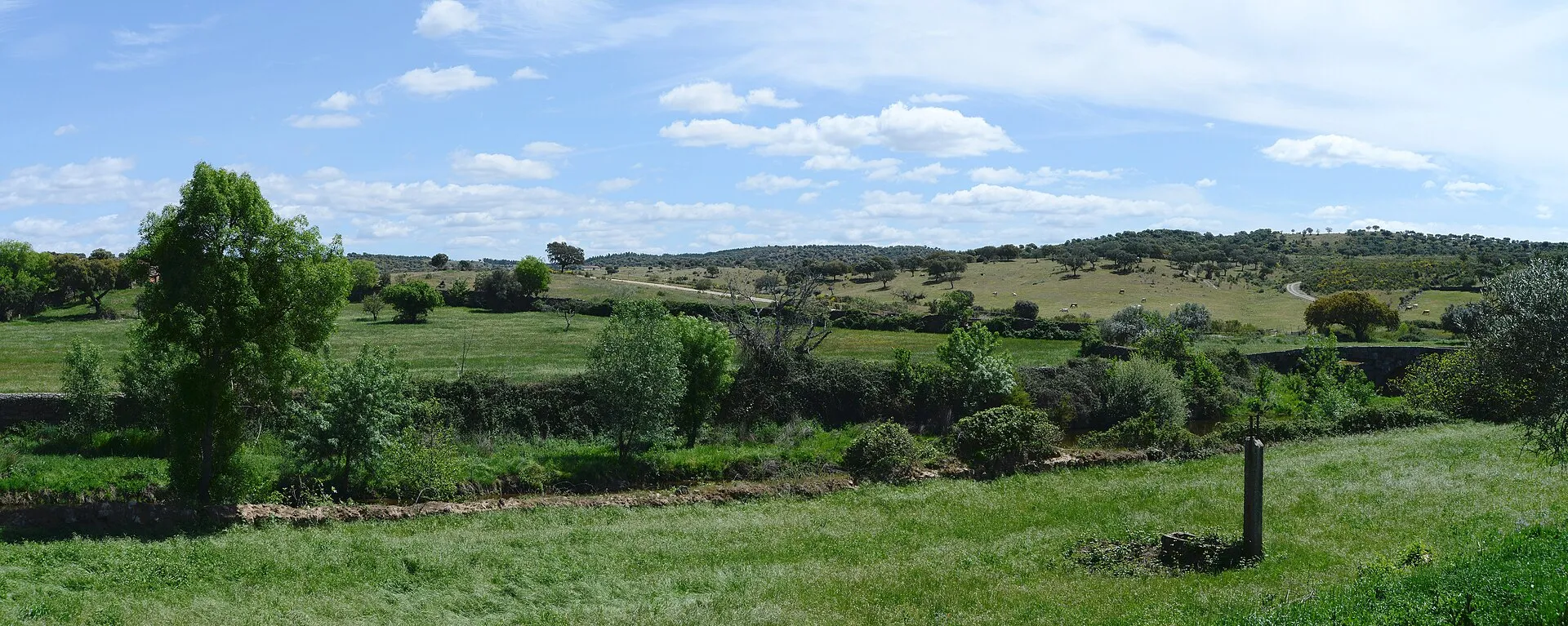
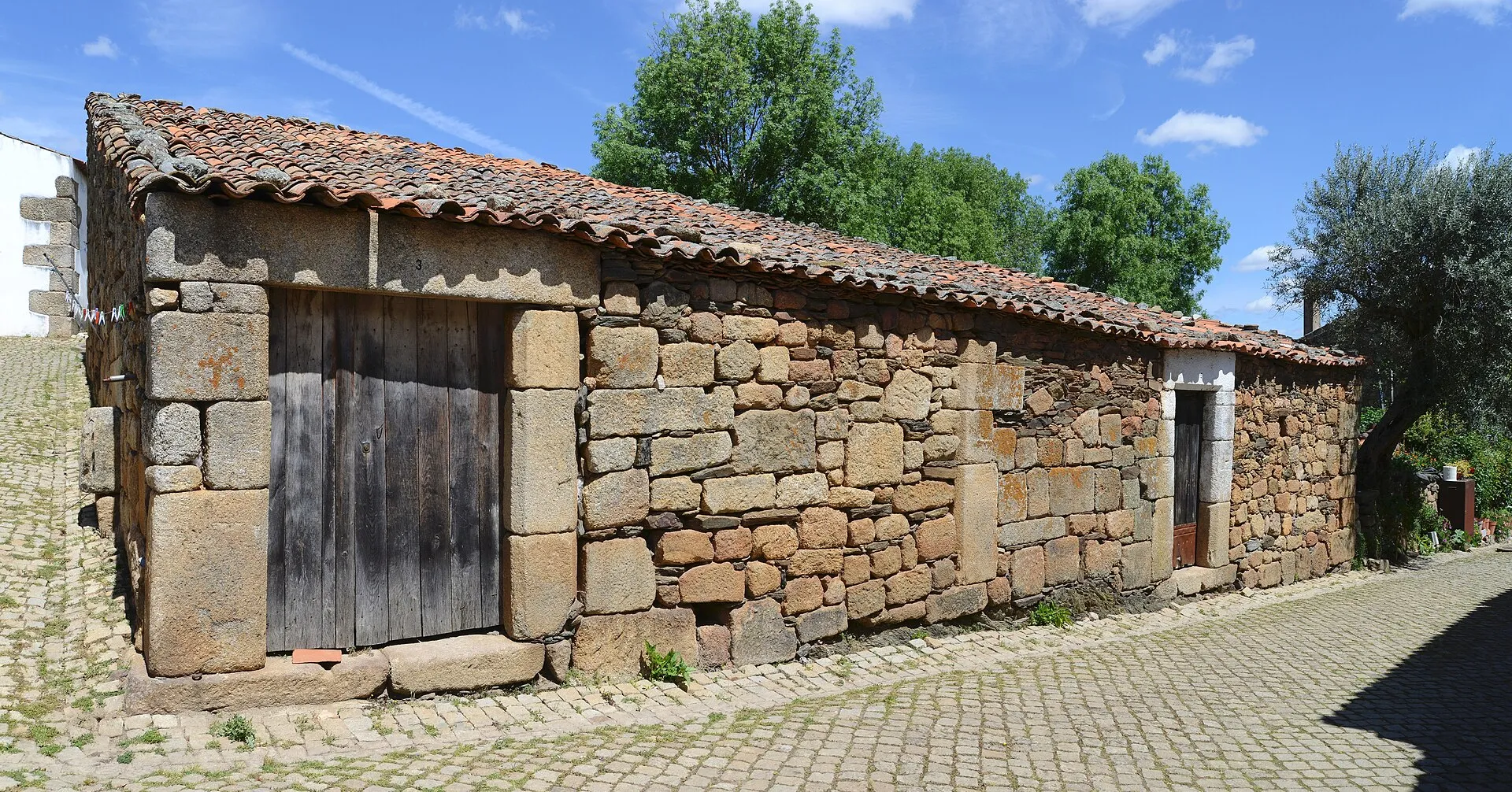
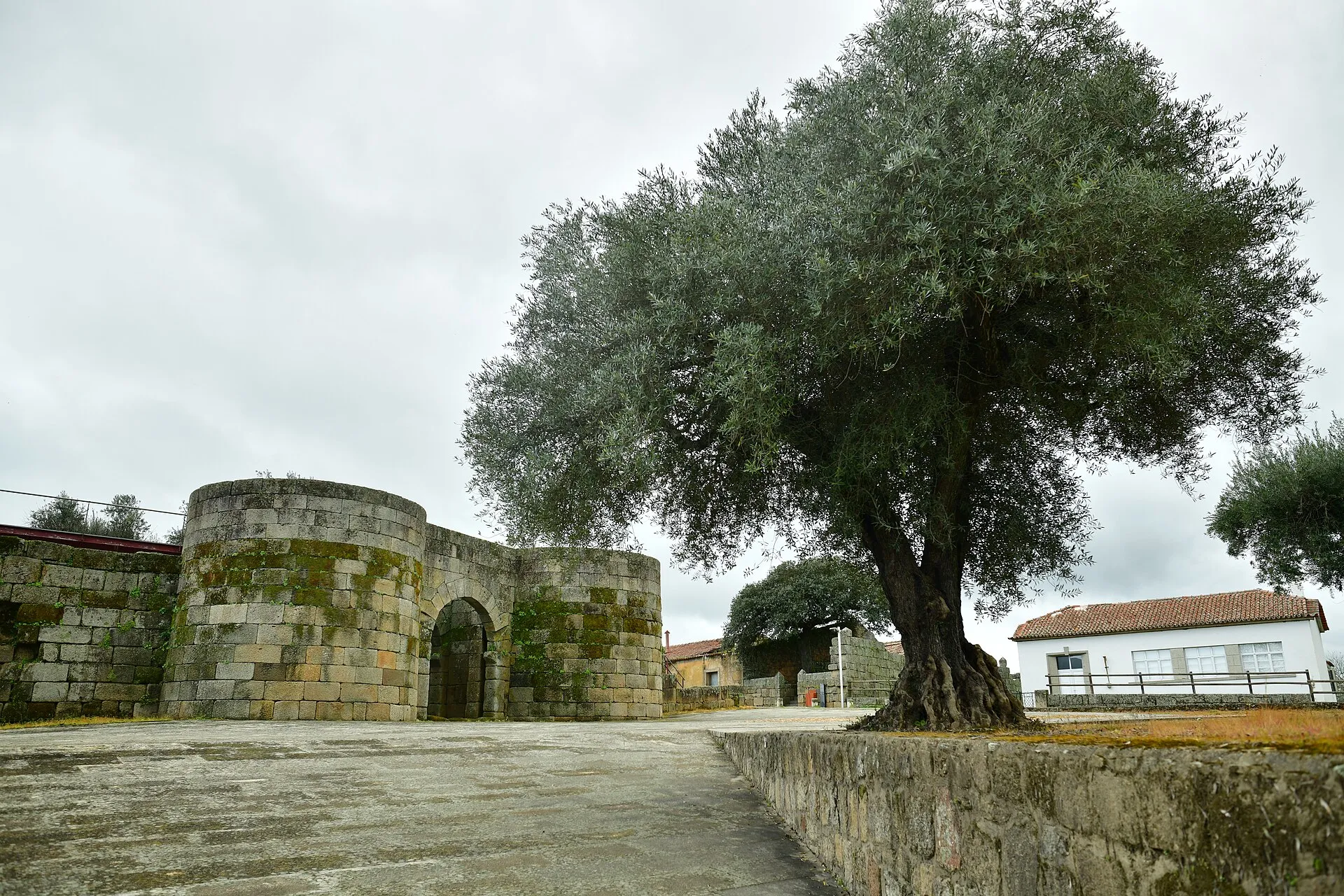
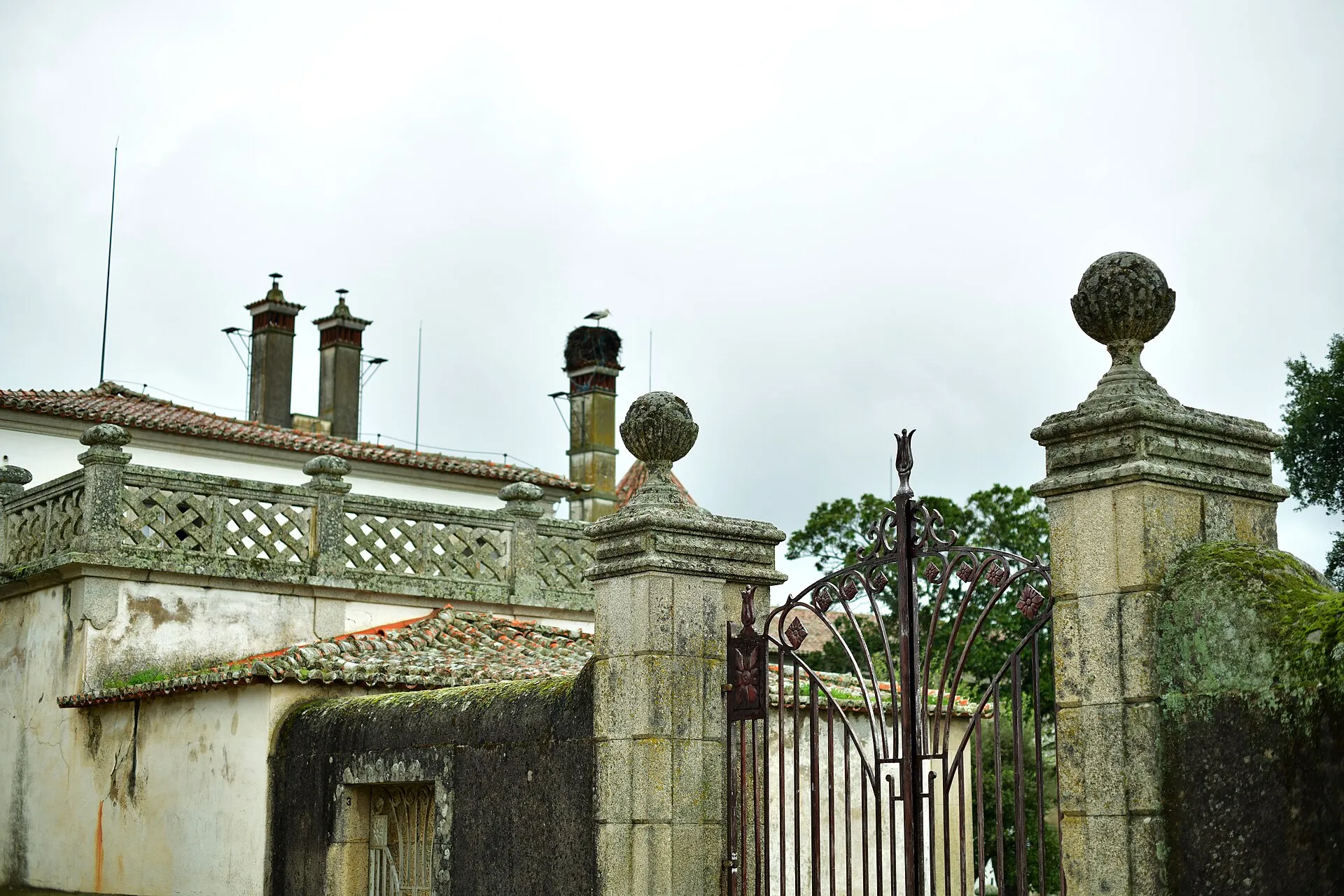
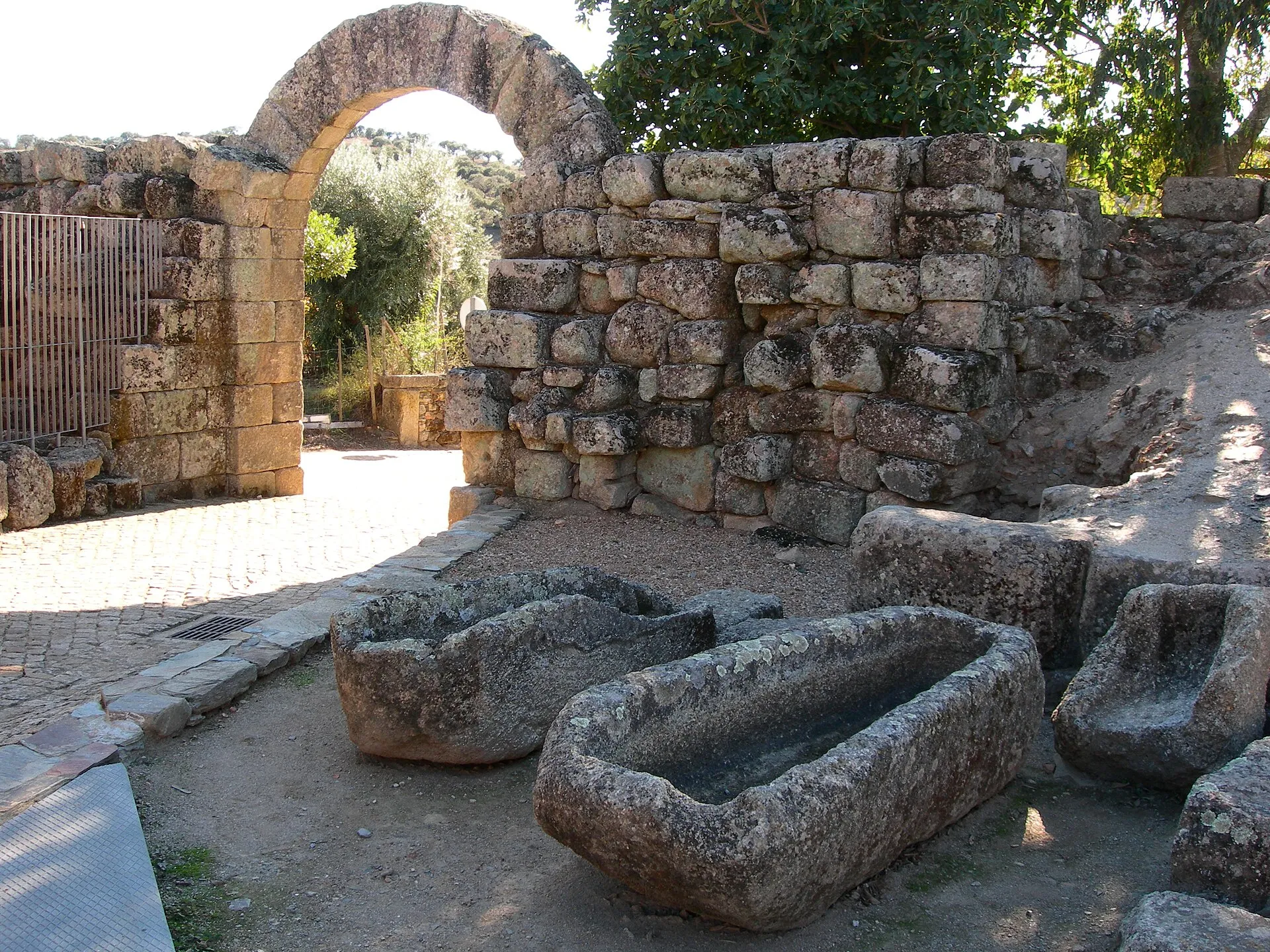
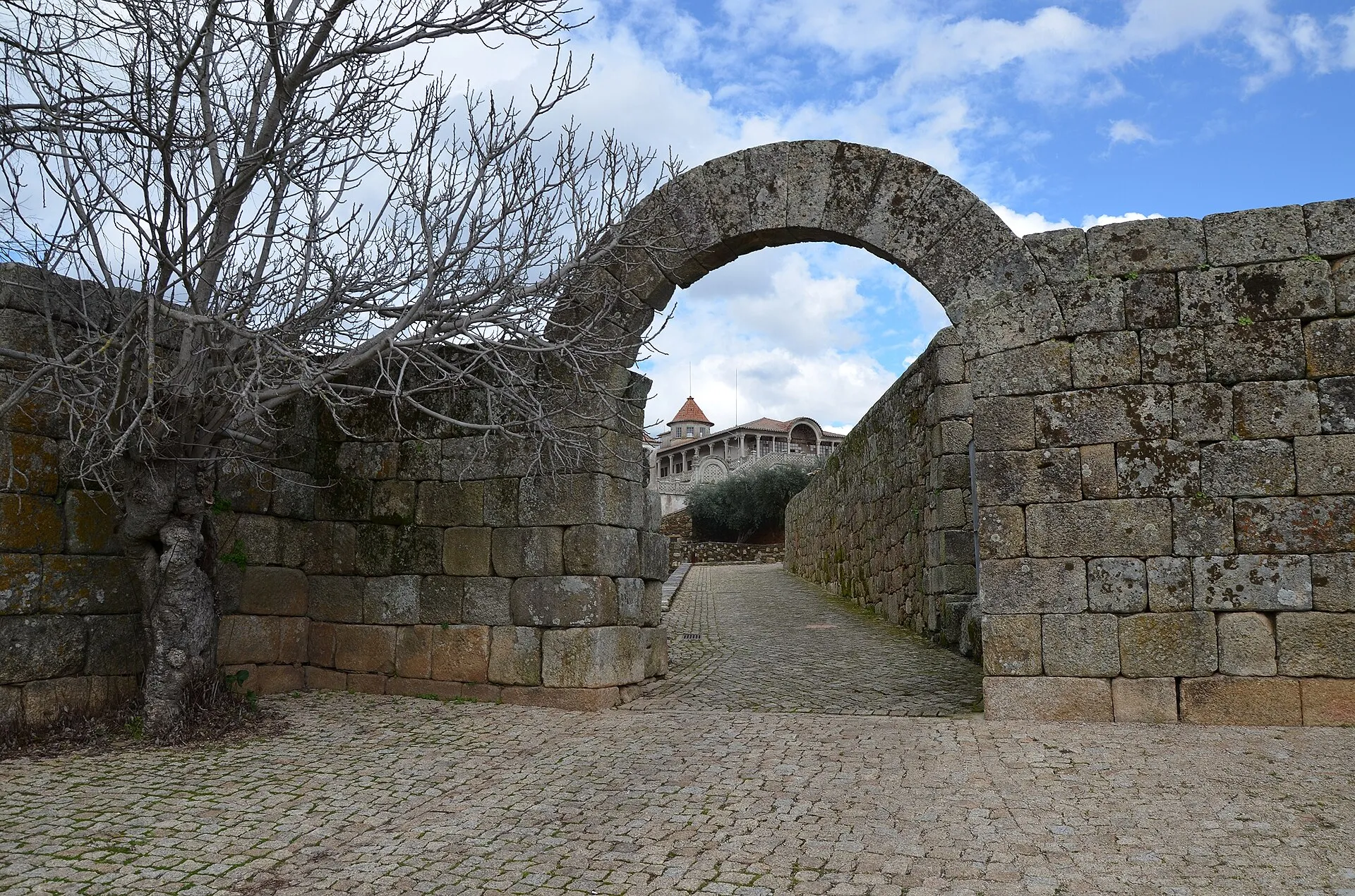
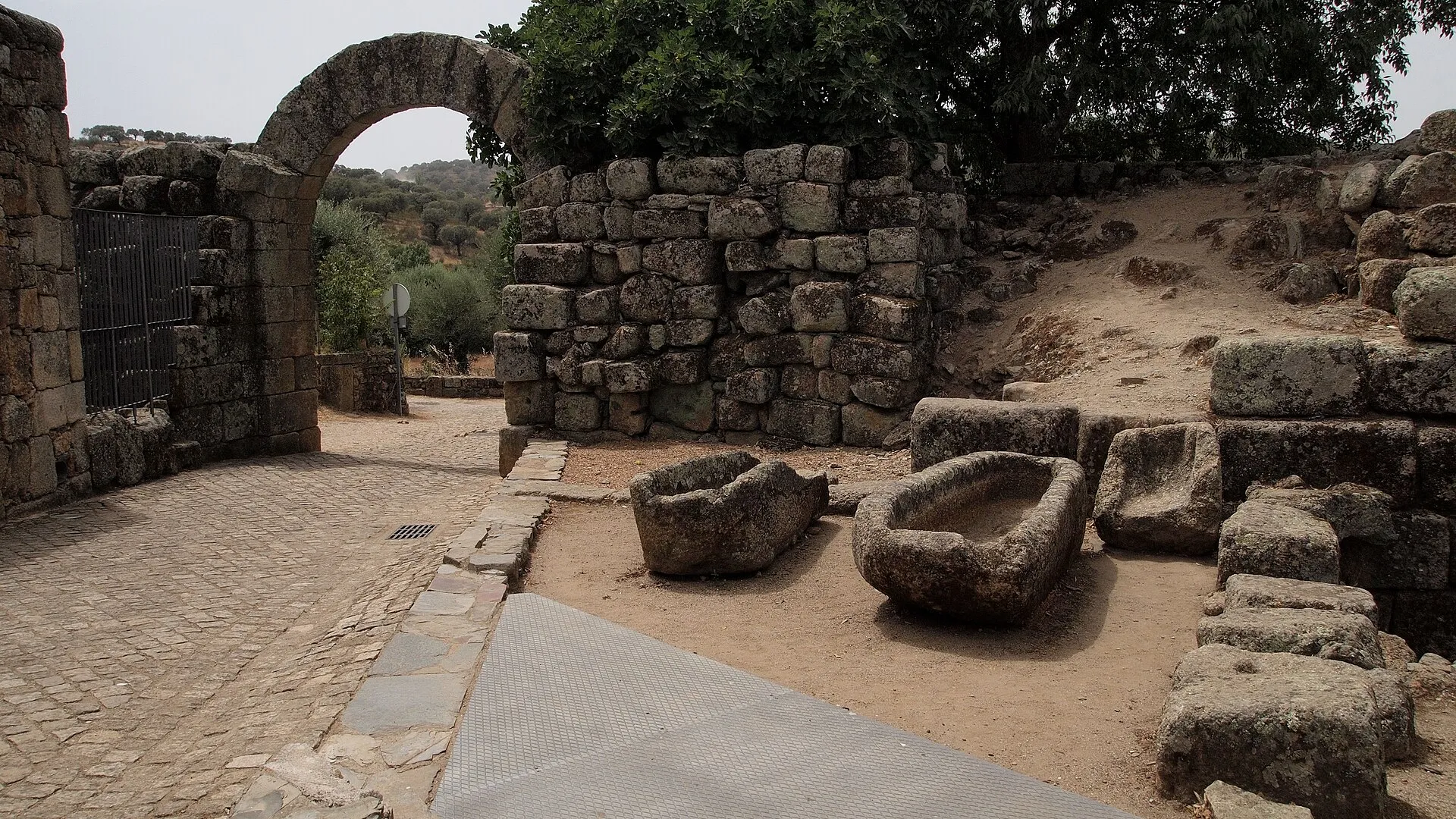
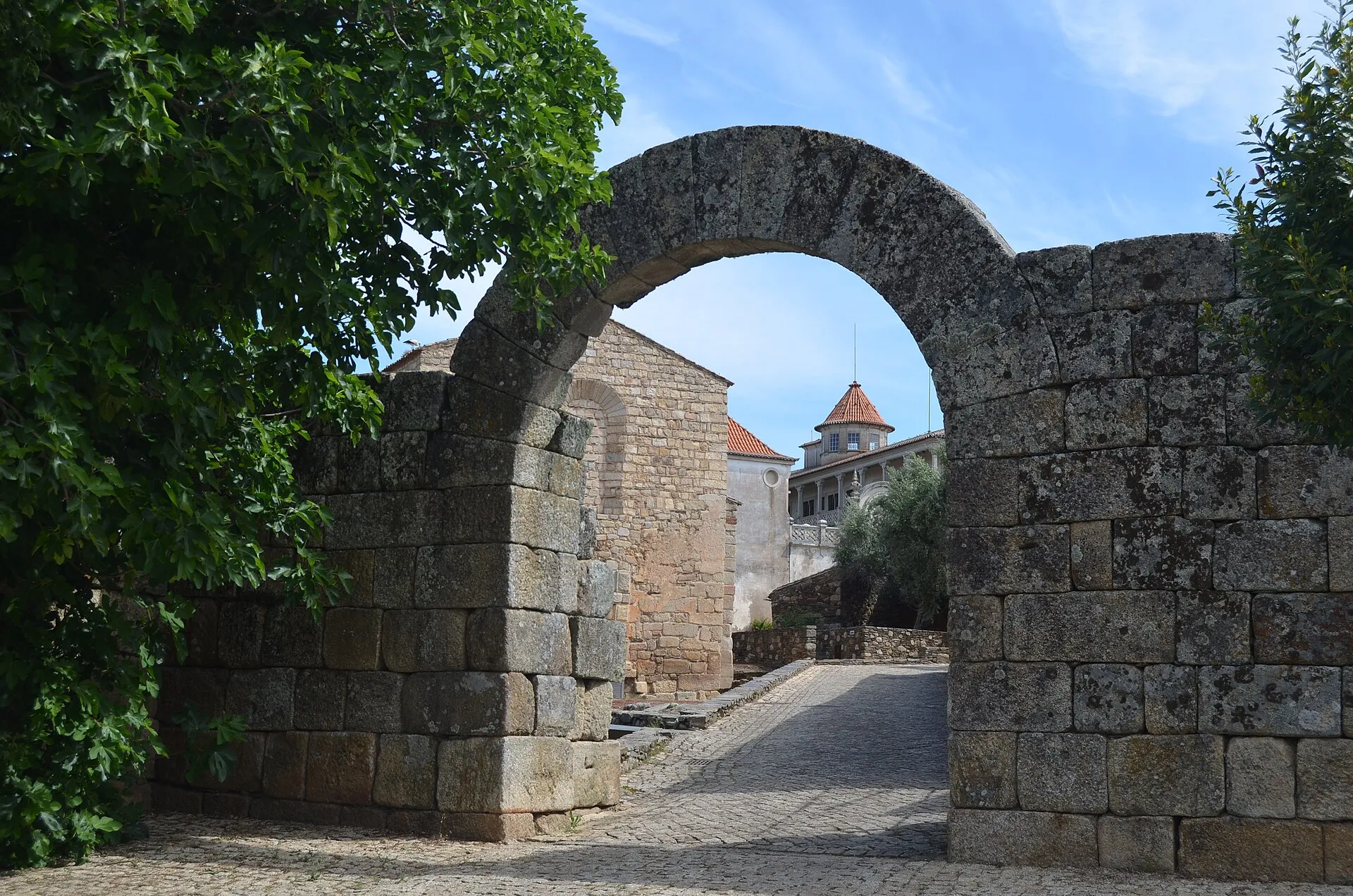
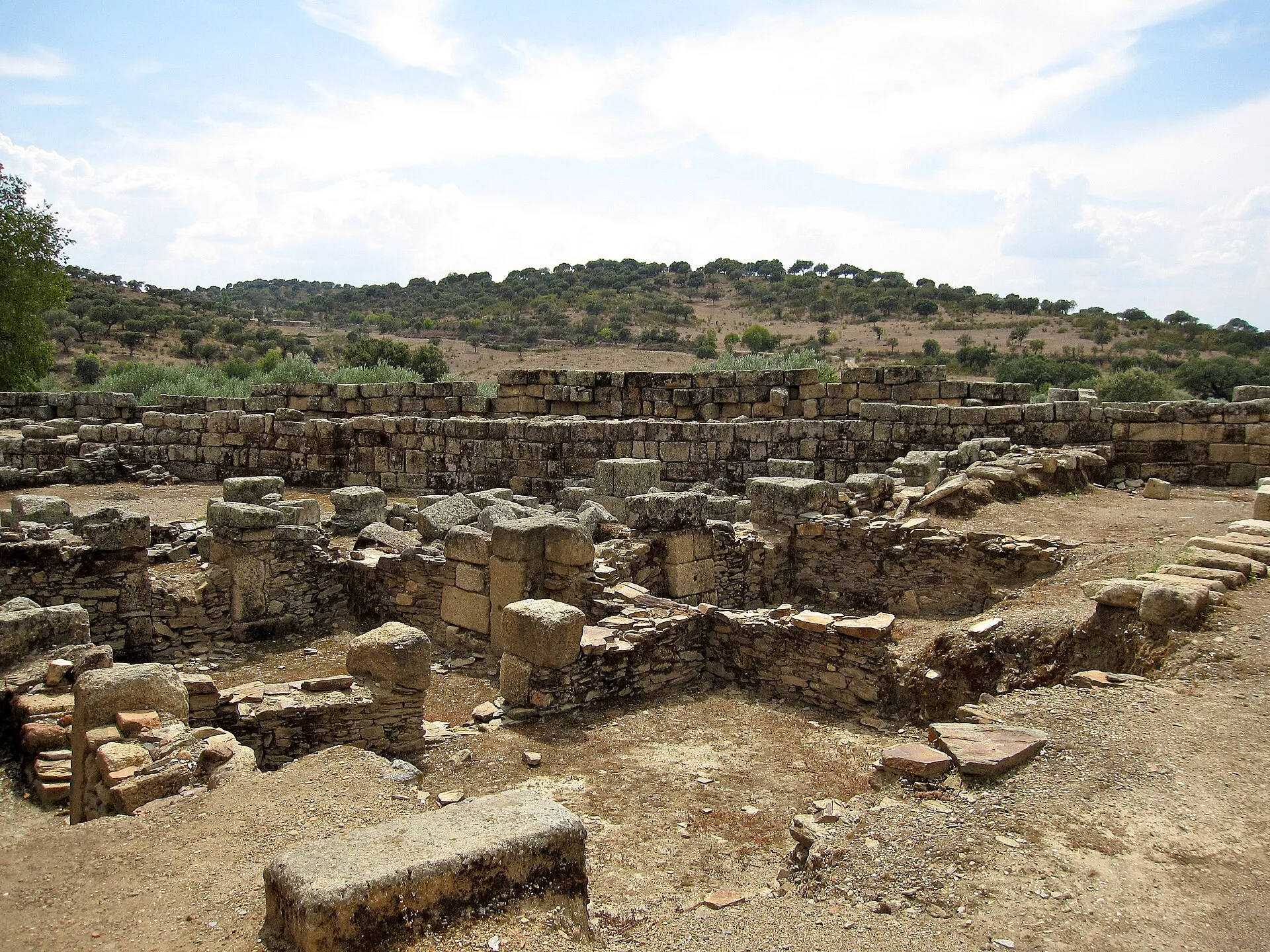
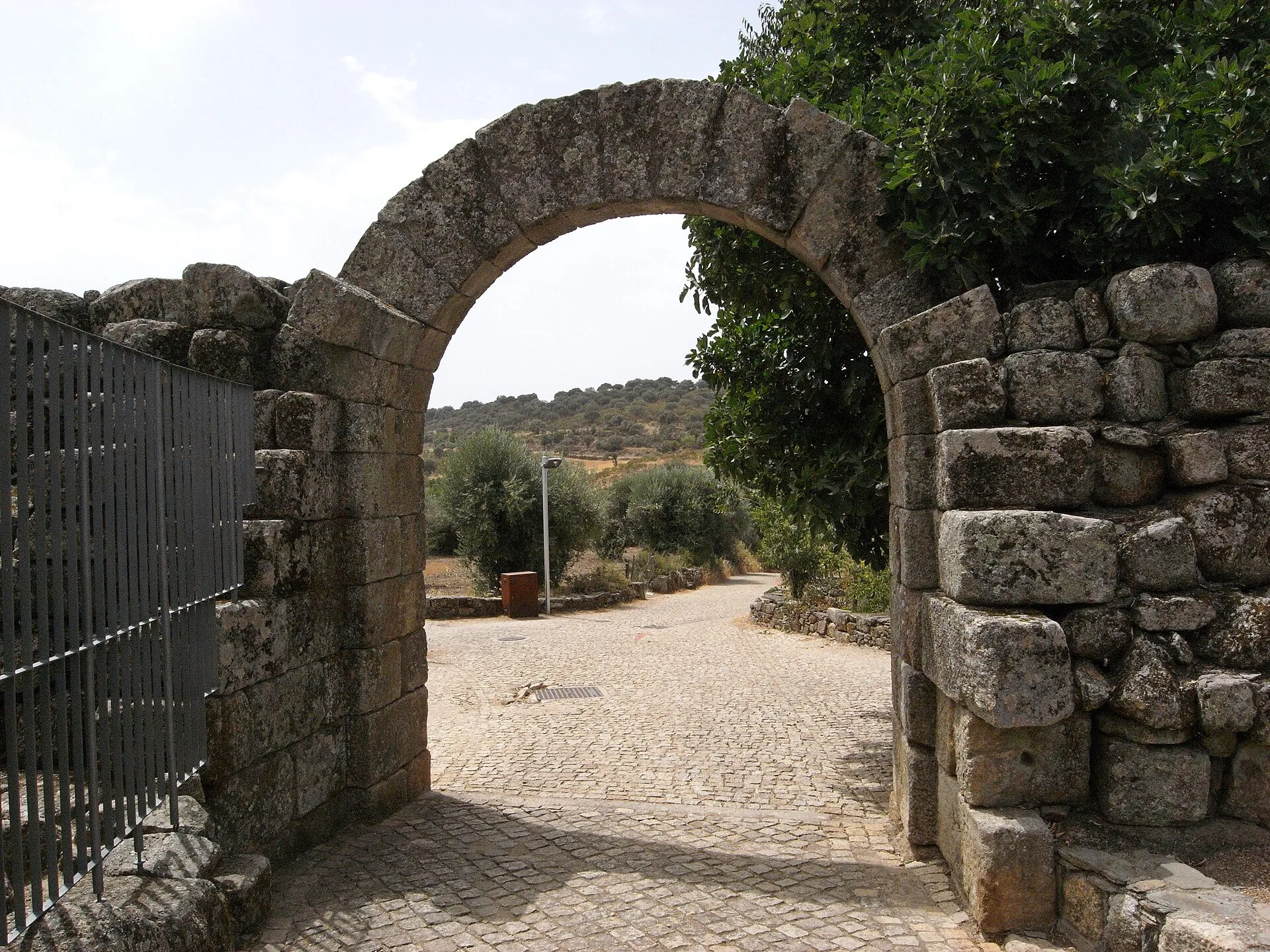
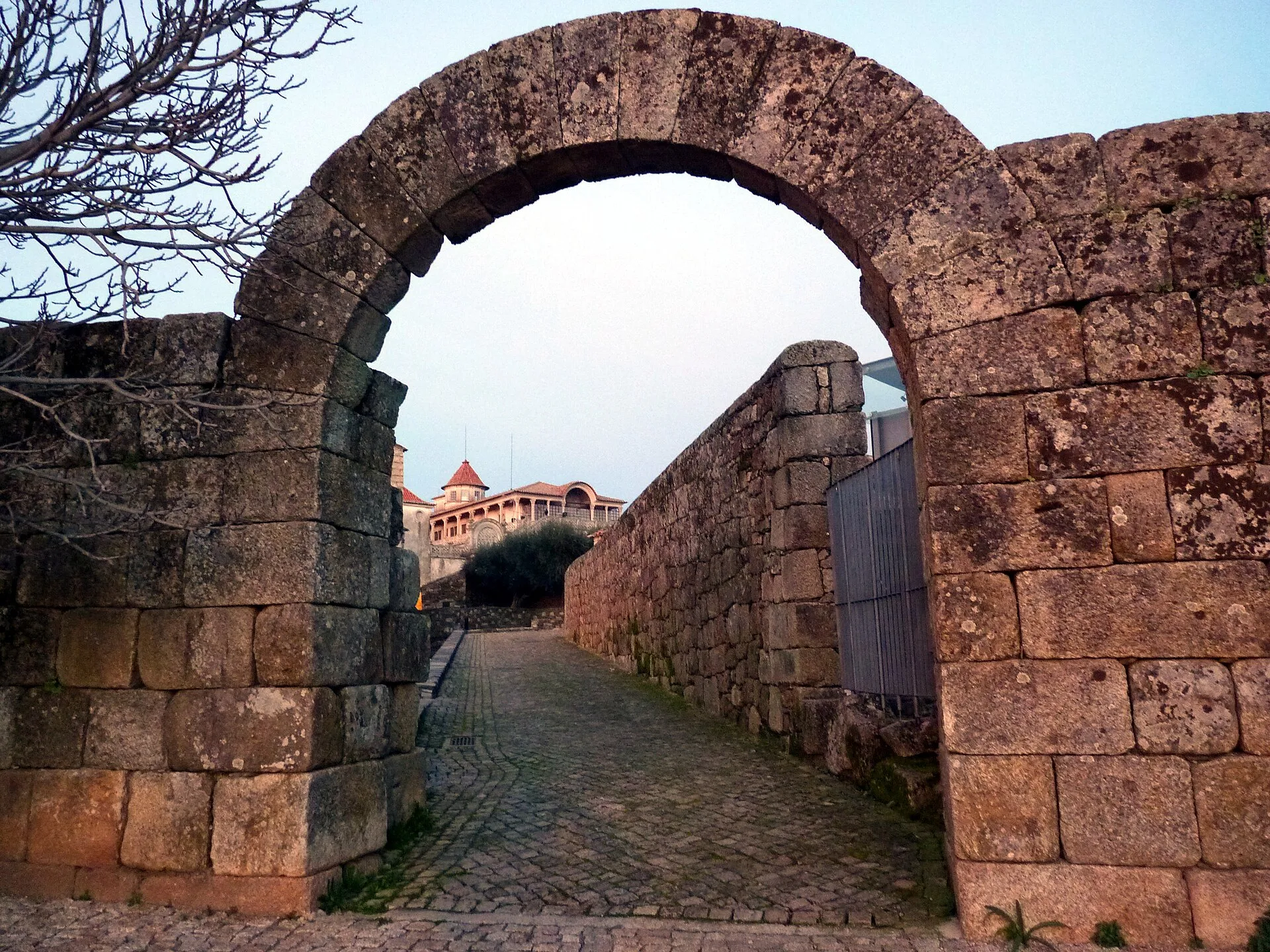
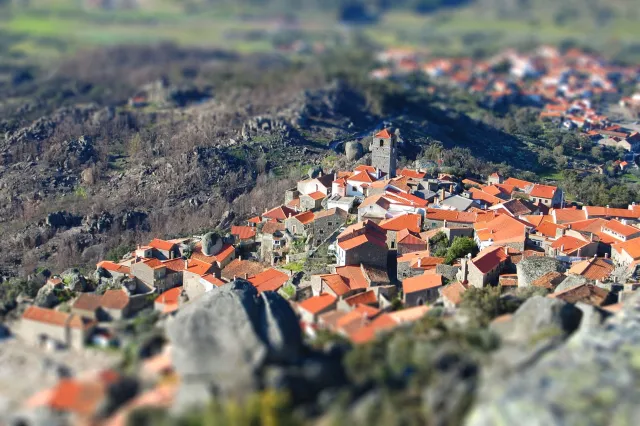
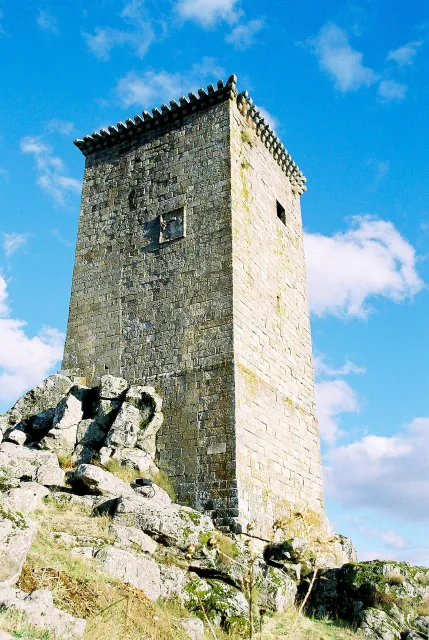
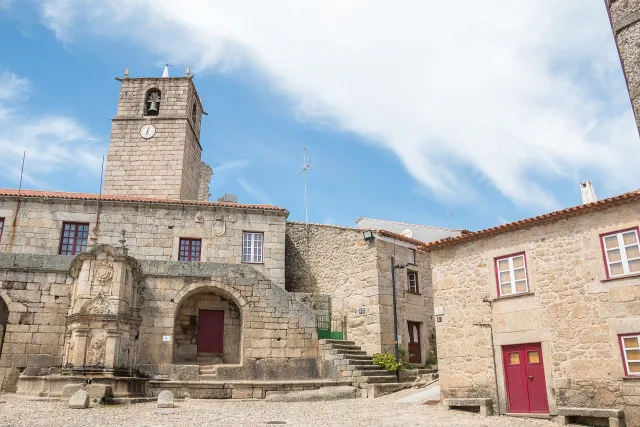
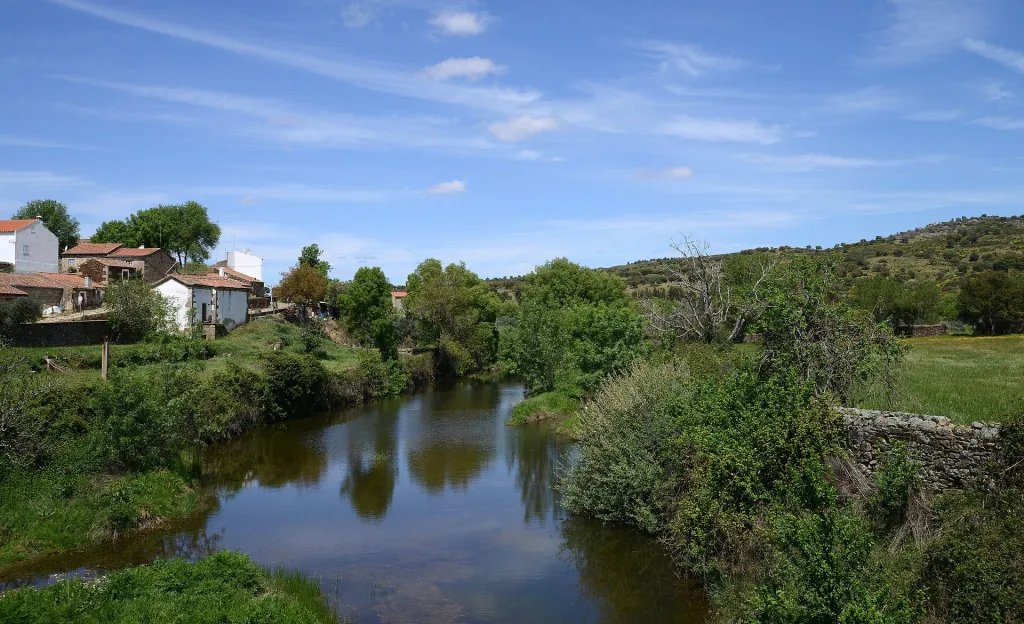
It stands in a place where a Roman city located along the Ponsul River once lay, the regional capital of Civitas Igaeditanorum (1st century BC) under the Romans and later the episcopal seat during occupation by the Suebi and Visigoths.
The Muslim invasion of Iberia in the early eighth century and the subsequent wars of Christian reconquest brought with it a setback to the development of the city which before the Muslim invasion was home for thousands of inhabitants. It was occupied by Muslims in the 8th century who called it Exitânia and taken back by Christians in the 12th century.
It was donated to the Knights Templar in the 13th century and still has traces of different ages that attest to permanent occupation by various civilizations.
As one of the oldest towns in Portugal, with a history of Roman settlement recorded since the year 16 AD, Idanha-a-Velha (Idanha "the old") has been described as a "modest village with a rich historical background".
Idanha-a-Velha is built on the site of the city of Egitânia (Civitas Igaeditanorum), which previously had thousands of inhabitants.
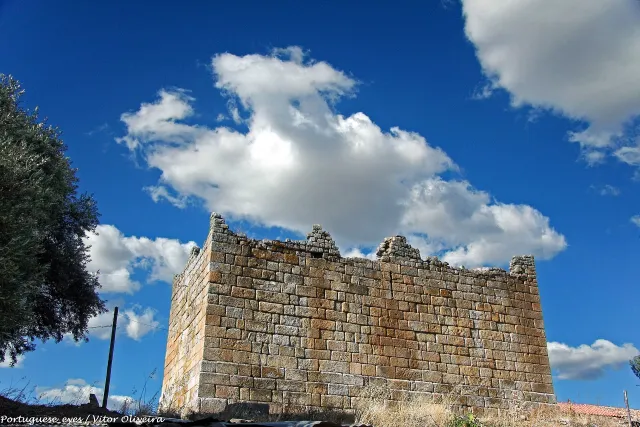
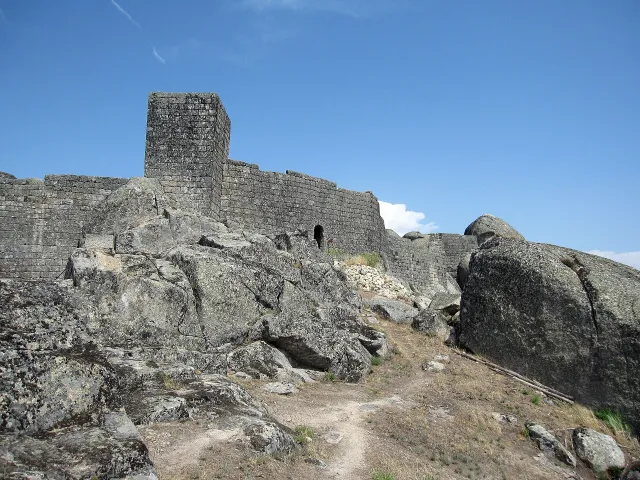
The town was repeatedly invaded and looted throughout history, and the ruins evince the influence of different periods of its history: buildings from the Pre-History, Celtic, Classic Roman when it was called Civitas Igaeditanorum, Suebic, Visigothic when it was called Egitânia, Moorish, Medieval and Portuguese Manueline periods.
The town is reputed to have possibly been the birthplace of the famous Visigothic King Wamba, as well as the fourth century Saint Pope Damasus. The Visigoth King Roderic is also said to have been buried here.
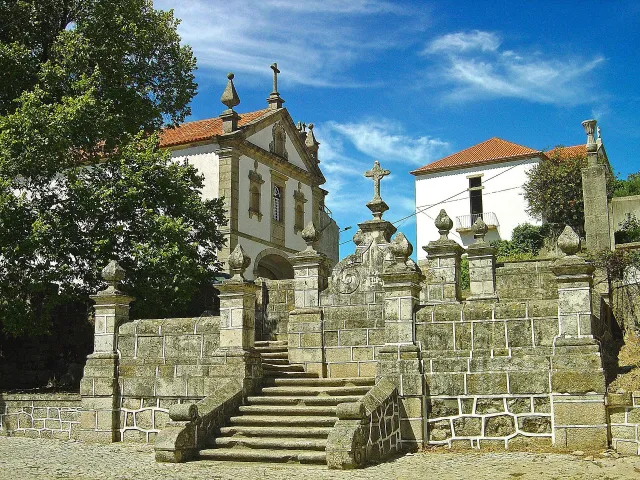
The town is host to a restored 16th century church, called "the Cathedral", built on ruins dating from the time of the Suebi, as far back as to the fourth century — the first Visigothic cathedral built on the Iberian Peninsula.
Near the cathedral is the largest collection of Roman epigraphs in Europe, in an ancient building refurbished as a modern museum to contain the carved and inscribed Roman stones.

 1 / 13