At the beginning of the Peninsular War, France and Spain signed the Treaty of Fontainebleau in October 1807. This provided for the invasion and subsequent division of Portuguese territory into three kingdoms. Following this, French troops under the command of General Junot entered Portugal, which requested support from the British. In July 1808 troops commanded by the Duke of Wellington, at the time known as Arthur Wellesley, landed in Portugal and defeated French troops at the Battles of Roliça and Vimeiro. This forced Junot to negotiate the Convention of Cintra, which led to the evacuation of the French army from Portugal. In March 1809, Marshal Soult led a new French expedition that advanced south to the city of Porto before being repulsed by Portuguese-British troops and forced to withdraw. After this retreat, Wellesley's forces defeated the French again at the Battle of Talavera.
Despite this victory Wellington realised that he was seriously outnumbered by the French army, and that he could be forced to retreat and possibly evacuate. He decided to strengthen the defences to the north of Lisbon by taking advantage of the hilly topography of that area. In October 1809, he ordered the building of the Lines of Torres as a system of fortifications, redoubts, escarpments, dams and other interventions. In total there were 152 works, which were all numbered and the Fort of Subserra was No. 114.
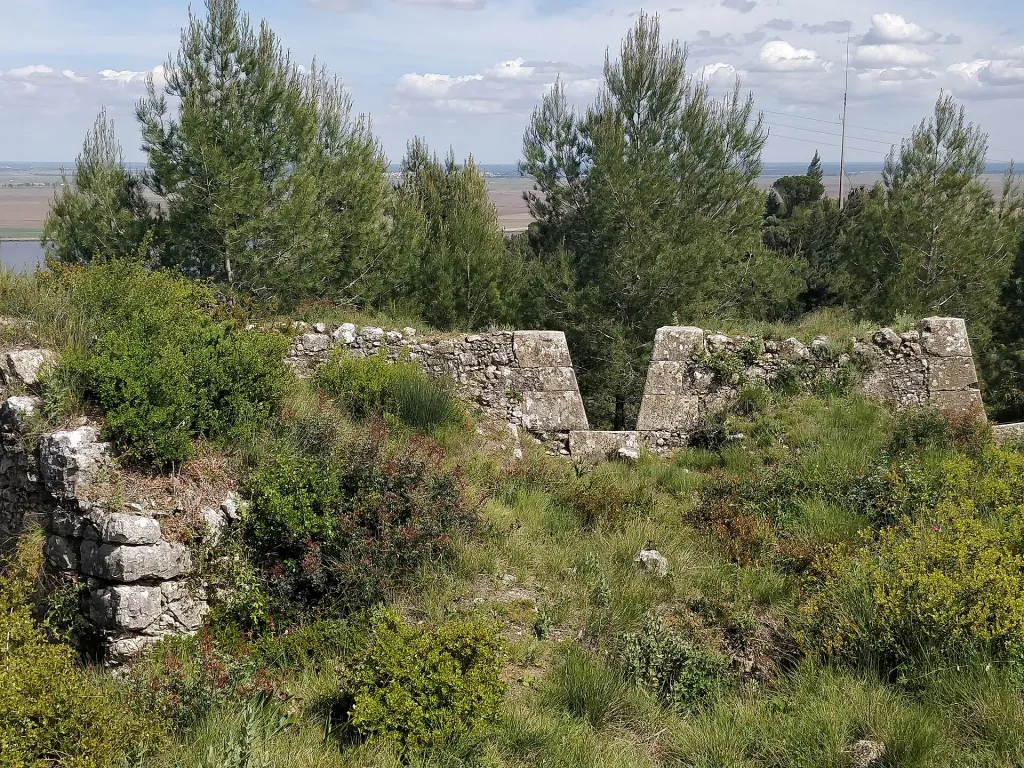
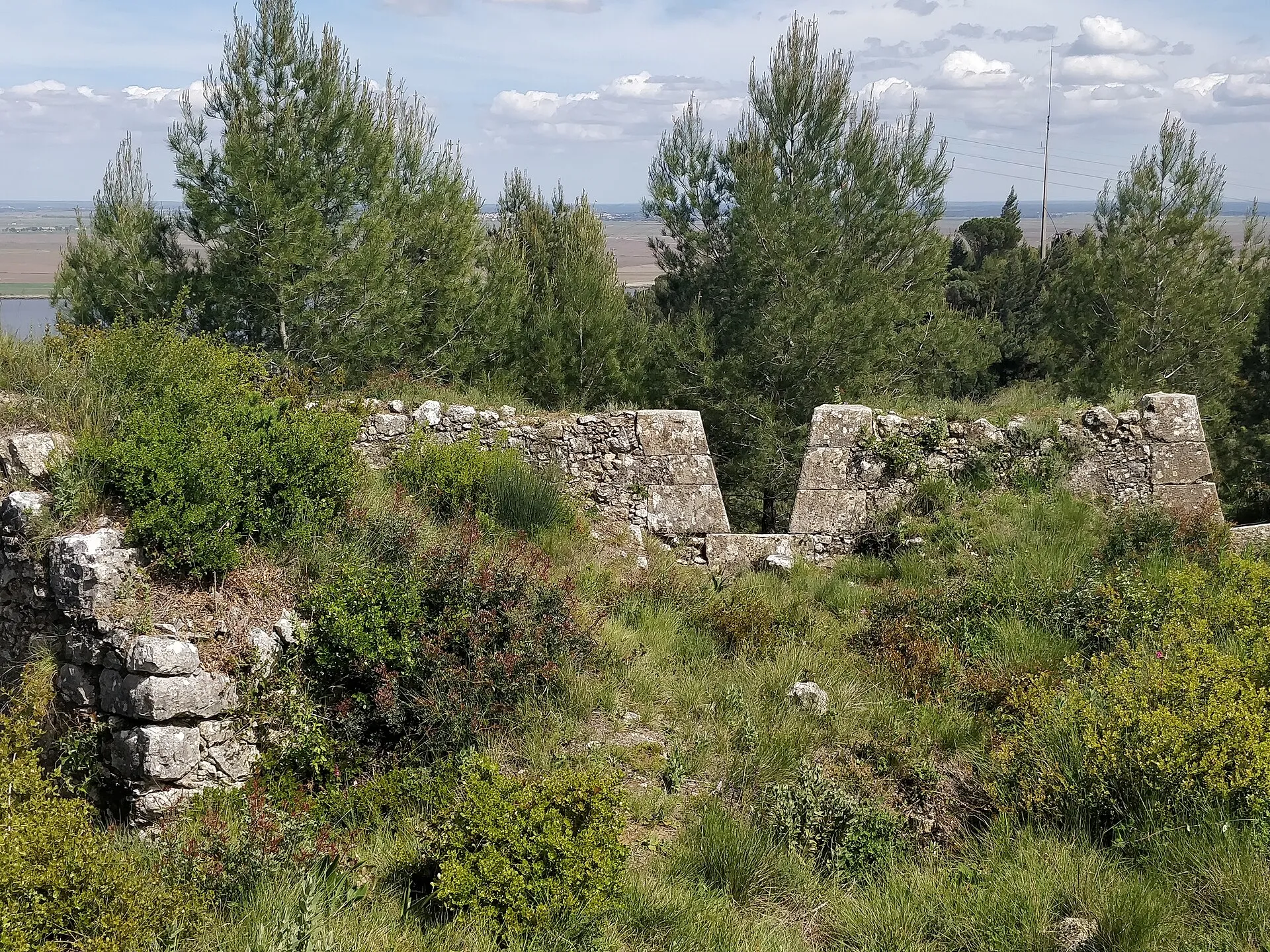
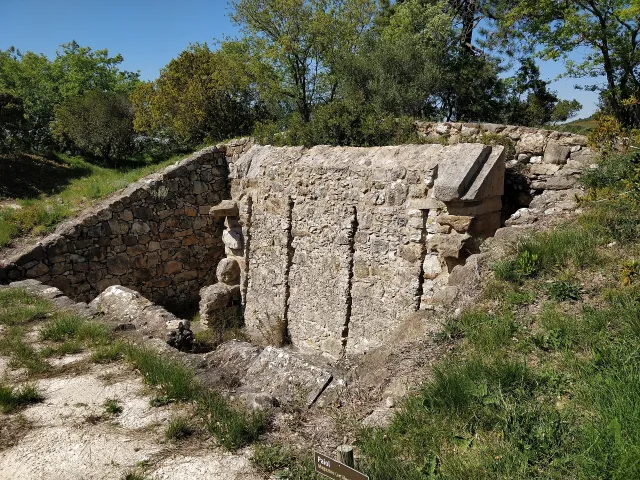
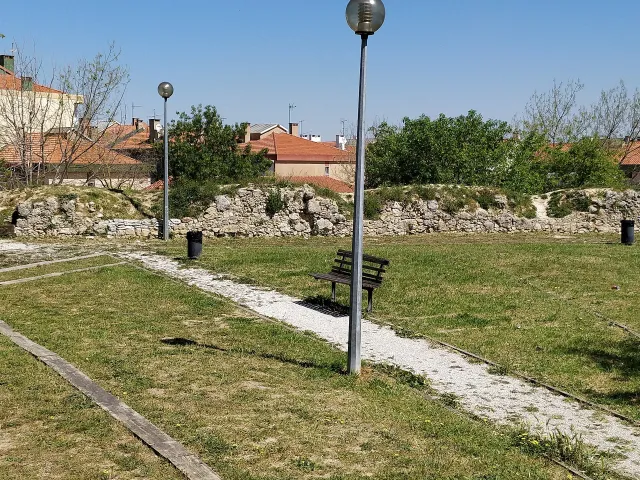
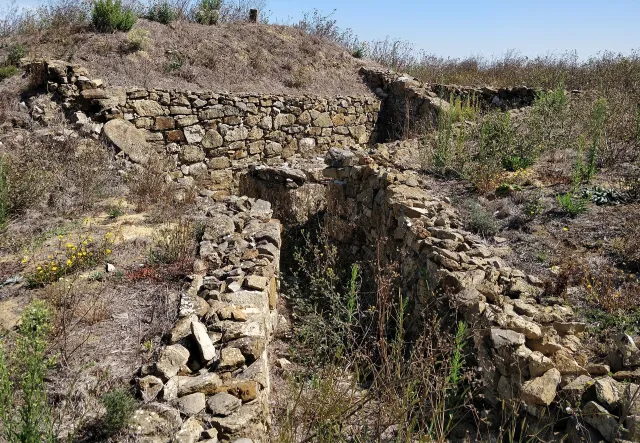
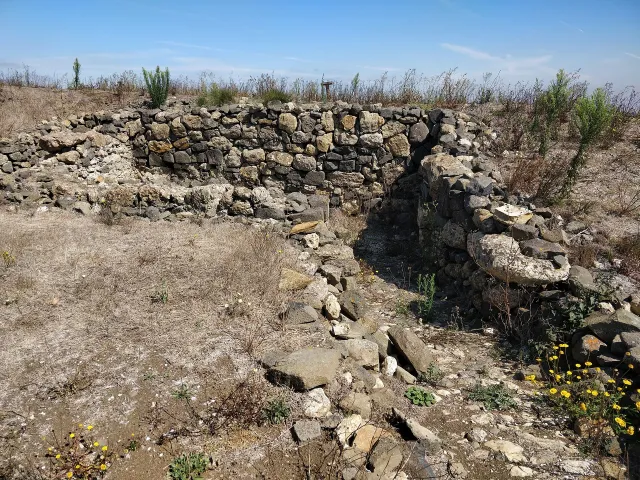
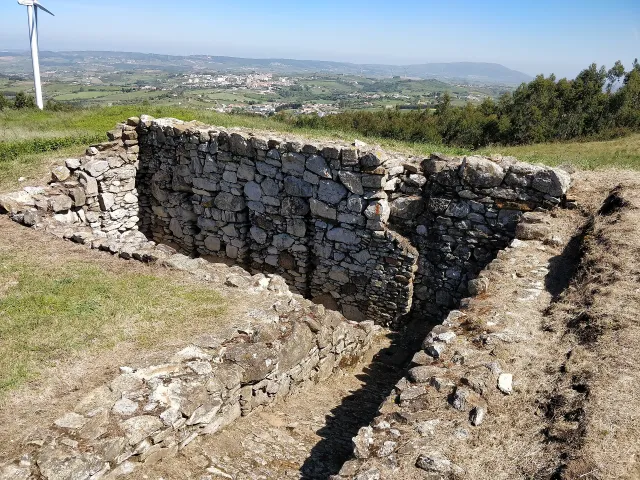
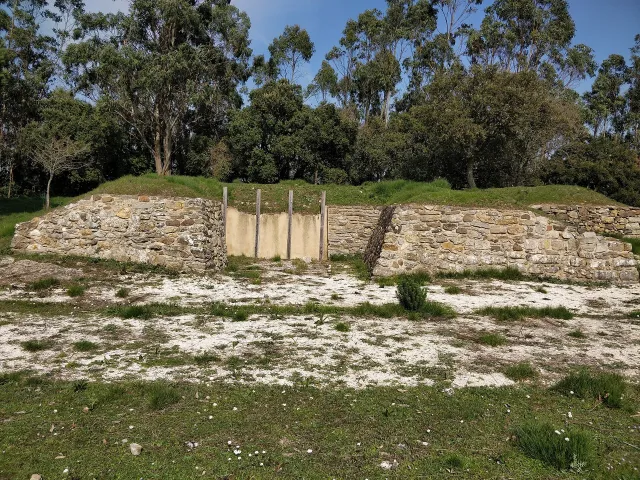
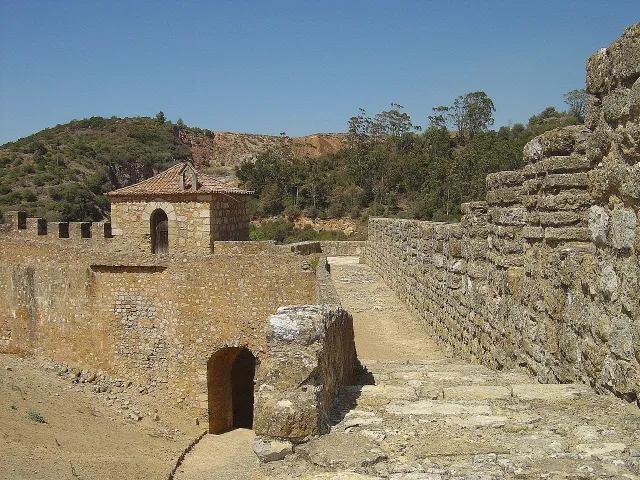
It was a small, irregular pentagonal earthwork, well capped with stone, much of which is still visible. Construction began in February 1810 and it was finished within a few weeks. The fort was equipped with one six-pounder cannon and two nine-pounders for the three embrasures, as well as other artillery pieces. From October of that year it had a garrison of 100 Portuguese militia and gunners under the overall command of General Rowland Hill. Its objective was to defend the left flank of the São Fernando Battery (No.