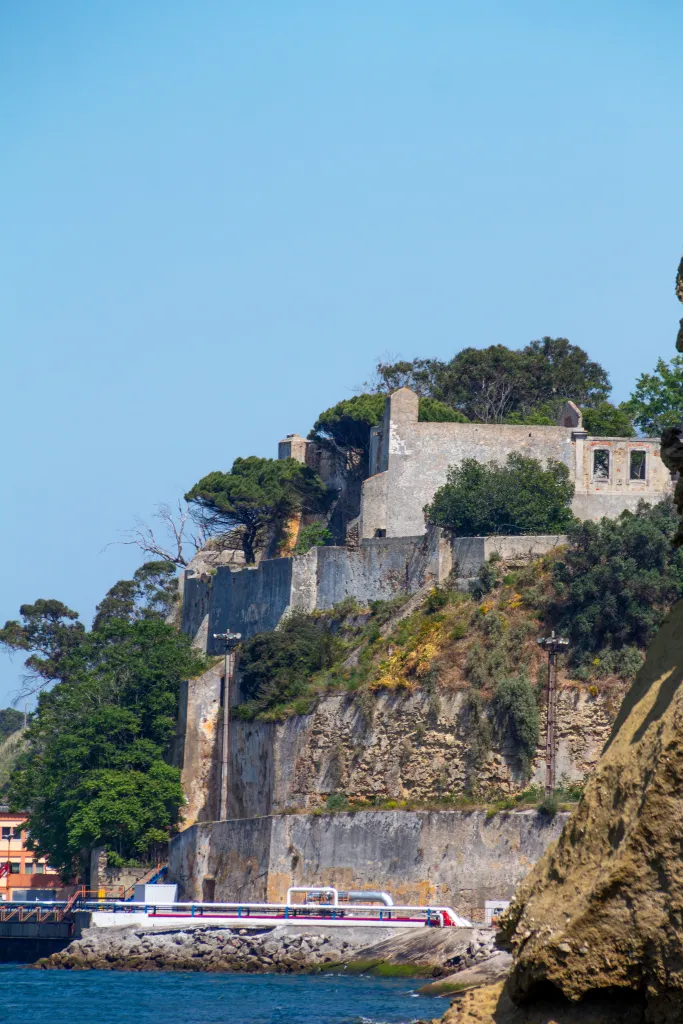
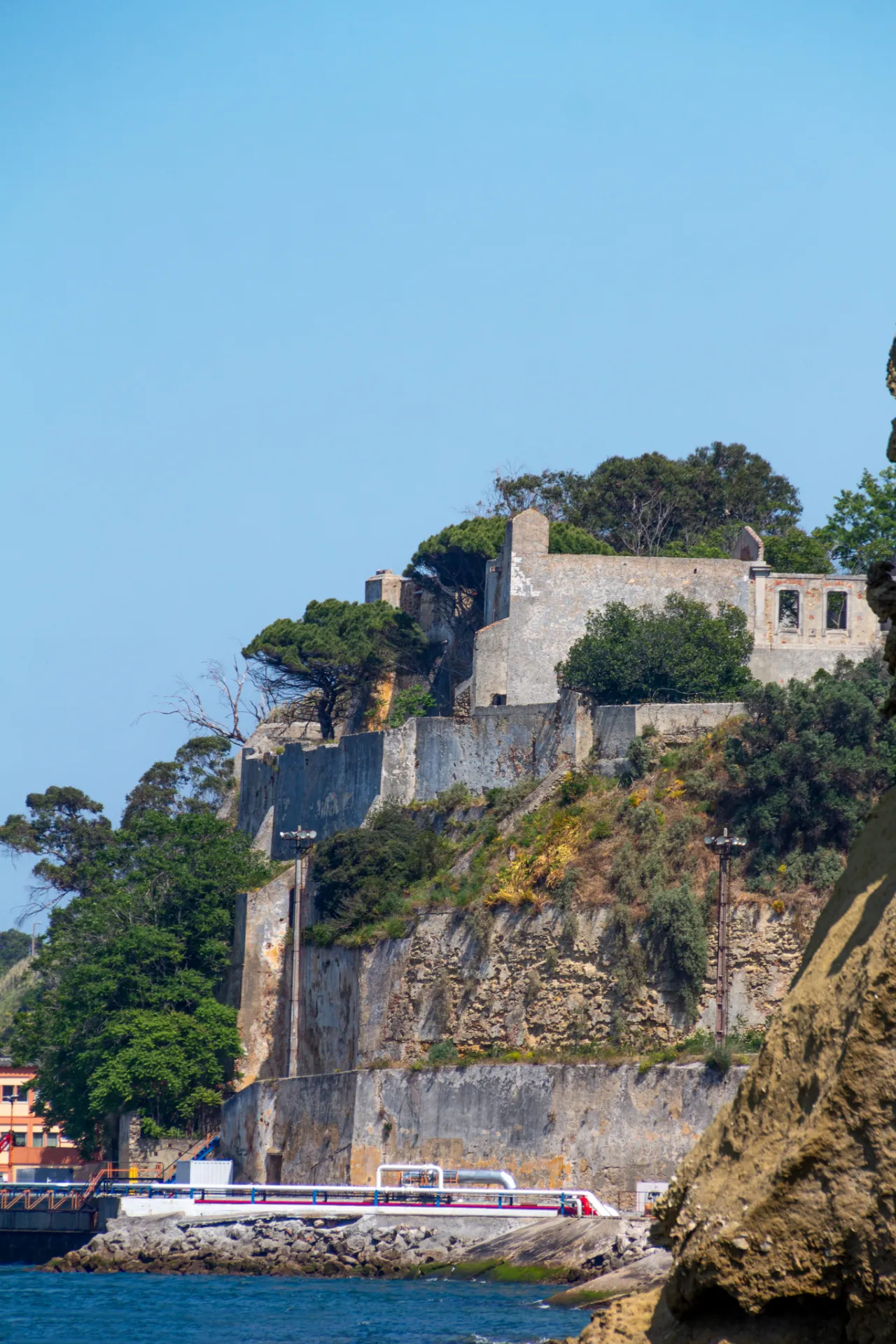
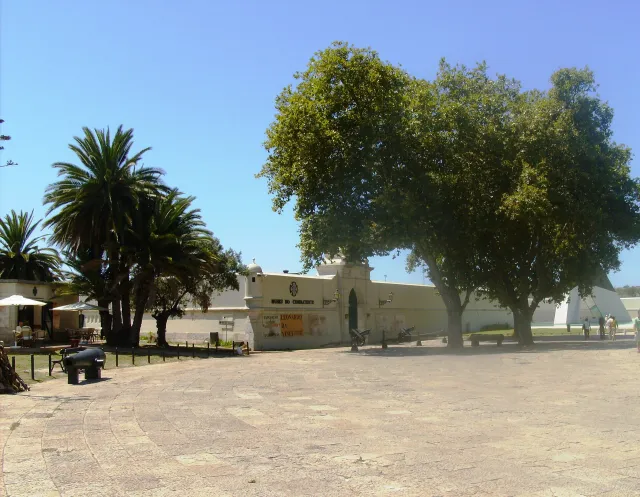
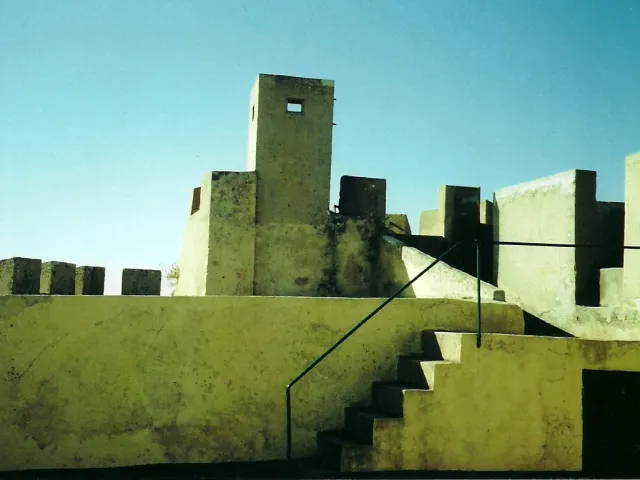
The fortress of Torre Velha is one of the more important examples of Renaissance-era military architecture, at a time when it served as part of an integrated system of defensive artillery outposts at the end of the 15th and beginning of the 16th century, in particular with the bulwarks of Tower of Santo António de Cascais (1498) and São Vicente (1512).
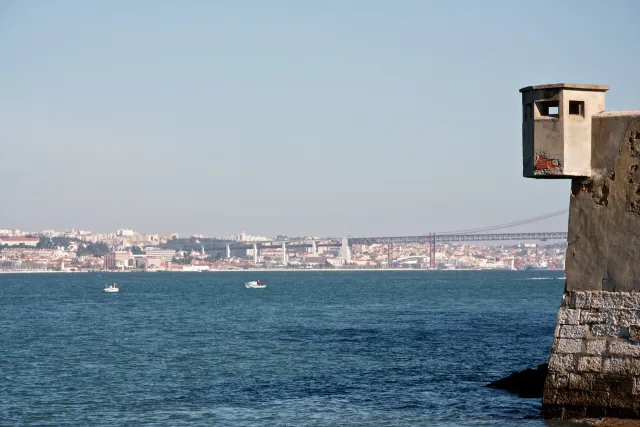
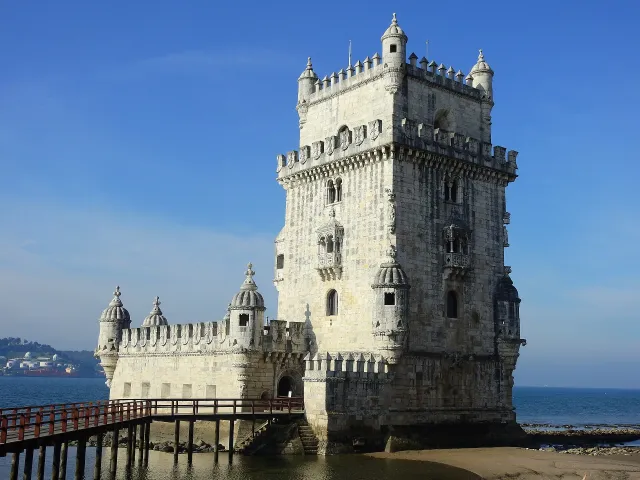
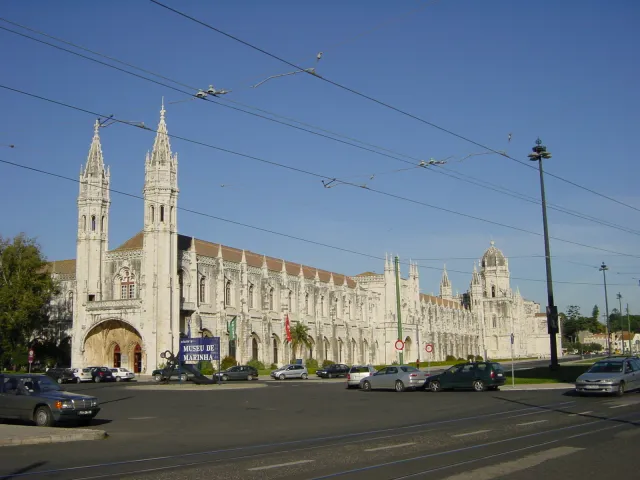
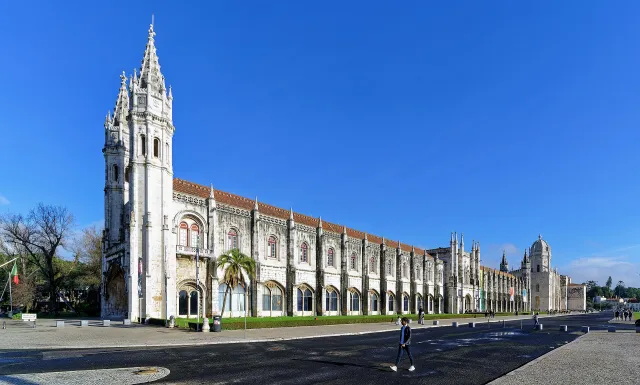
The Old Tower, situated on the southern margin of the Tagus River, was commissioned by King John II, on the same site of the older Fort of Caparica (which was built in the reign of his father, King John I). The fort received its name Torre Velha mostly because the structure was considered "older" than the Tower of São Vicente (Portuguese: Torre de São Vicente), which later be known as the Tower of Belém. Its original structure, from the sketches of Garcia de Resende, comprised a tower and bulwark, similar to the model developed years later in the Fort of Santiago da Barra in Viana do Castelo and the Tower of Belém in Lisbon. Defences along the estuary and port of Lisbon were based on a system of three towers, which were supplied with modern artillery (including the Bulwarks of Cascais and the São Vicente), which cooperated with the naval artillery (which patrolled the waters of the river) to enforce military and fiscal authority.
In 1571, following similar initiatives taken at several forts along the Portuguese coast, King Sebastian ordered the remodelling of the tower. At the time, the fort was named in the Portuguese tradition in honour of São Brás (Saint Blaise), the patron saint of artillerymen, and changed to honour the young King (lost at the Battle of Alcácer Quibir) and Saint Sebastian. Under the responsibility of Afonso Álvares, the new project transformed the fort into a massive fortress, becoming referred to as the Fortress of São Sebastião da Caparica (Portuguese: Fortaleza de São Sebastião da Caparica). Between 1580 and 1640 it was referred to locally as the Torre dos Castelhanos (Tower of the Castilians), where it was remodelled structurally to meet the requirements of the Philippine Dynasty.