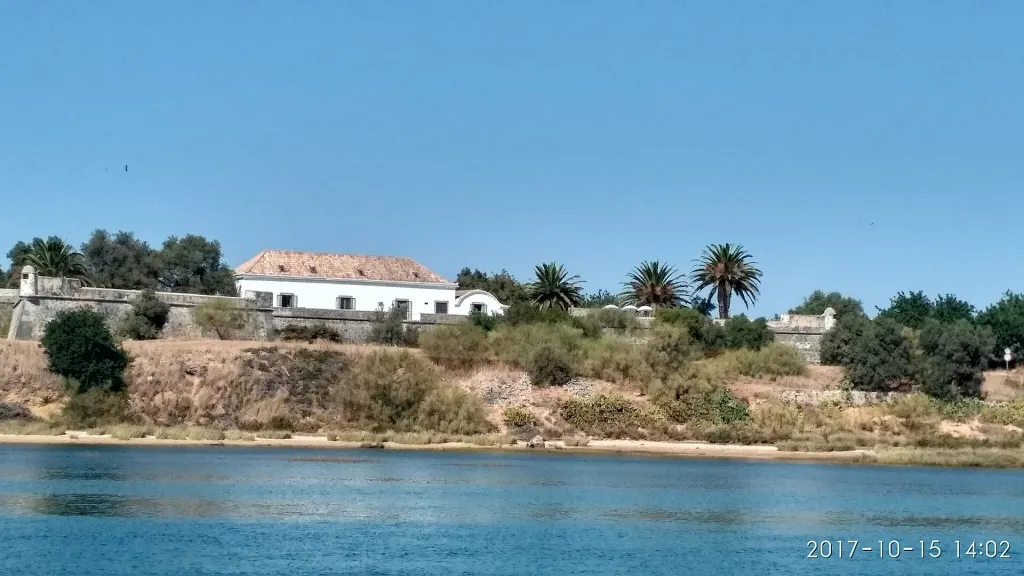
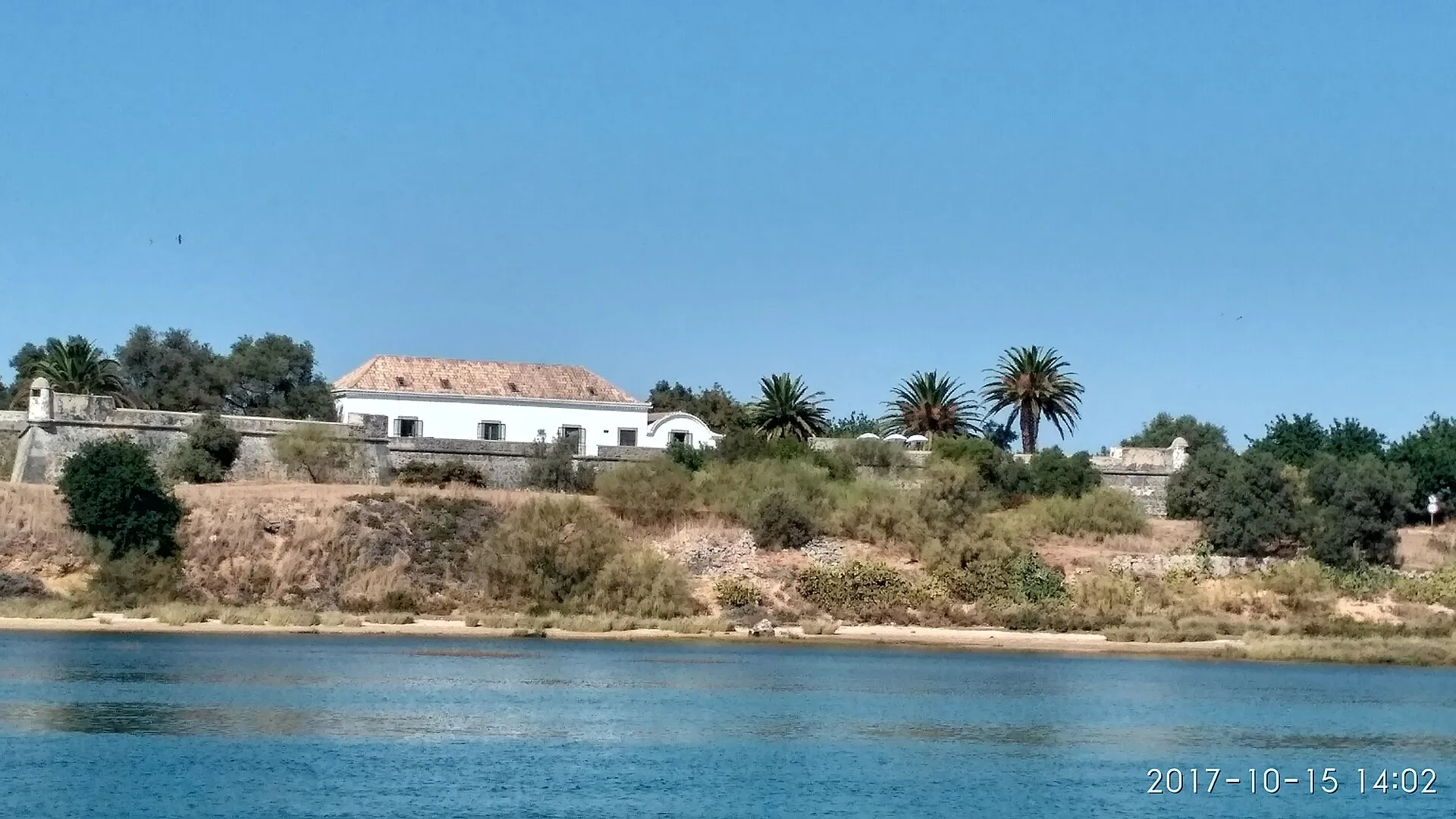
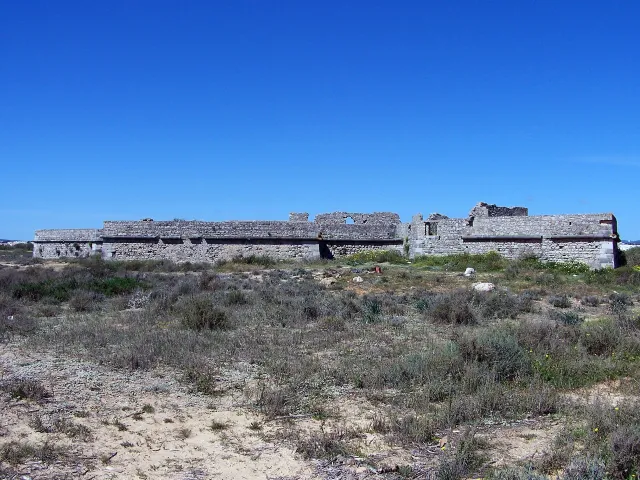
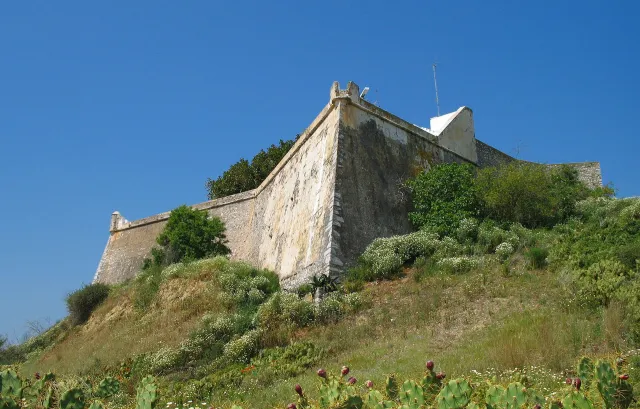
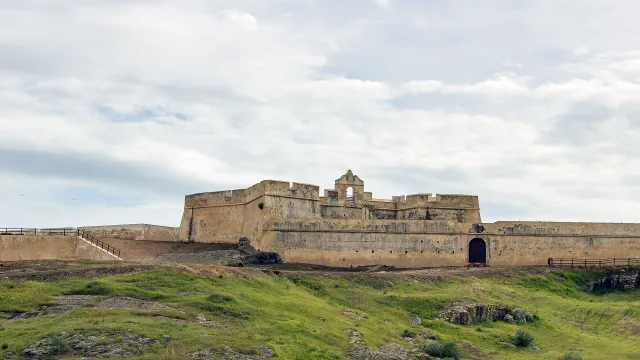
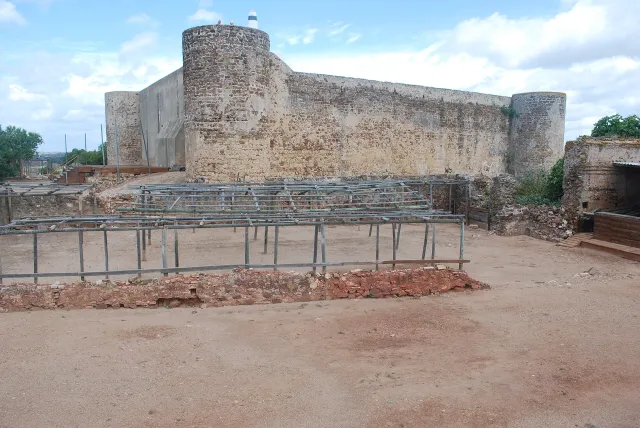
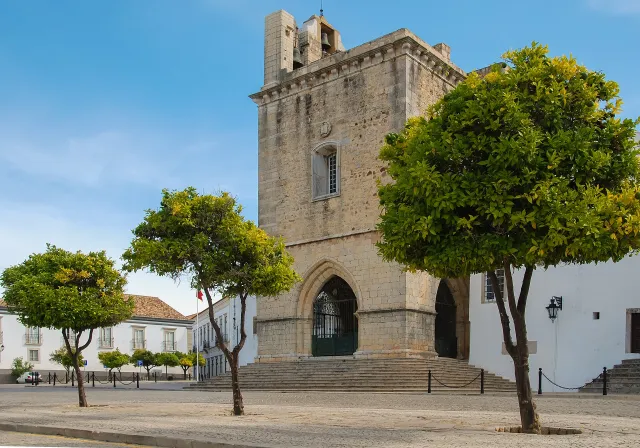
The fort was built on lands dubbed Gomeira, where the Raposa Tower, a Moorish keep similar to the Aires Tower and which served as a watchtower for coast guard, is believed to have been, and whose existence is only known via references made by authors in the 16th century.
It dates back to the War for the Restoration of Portuguese Independence, built by the initiative of Nuno de Mendonça, 2nd Count of Vale de Reis, as Governor of the Arms of the Kingdom of the Algarve in 1656. It was expanded in 1670, these works being completed in 1672. The French military engineer Pedro de Santa Colomba was involved in its design, as was the case with other nearby forts. The Italian Giovanni Vanicelli, field master of the armies of Algarve, was also among its architects. Mateus do Couto is also referenced.
Damaged by the 1755 earthquake, it was renovated in 1793, during the reign of Maria I of Portugal.
After Portugal was occupied by French forces in 1808 during the Napoleonic Wars the fort was captured by Captain Sebastião Martins Mestre, with the aid of locals, with the aim of fostering a rebellion that was suspected to erupt in the Algarve against the French yoke, and shortly afterwards broke out in Olhão. Martins Mestre then remained as governor of the fort until 1819, retiring at that date.
After the Portuguese Civil War (1828-1834), it was partially deactivated, keeping a small garrison until 1897.
The first Official School for boys in the parish of Conceição operated in the fort from 1857 to 1865, when work was completed on the building of the current Primary School of Conceição.
It served as a post for the Tax Guard of Cabanas until 1905, when it was sold to a private individual, in exchange for a commitment to build a new building for the said post closest to the village of Cabanas.
It was marked a "Property of Public Insteres" on 15 July 1960. It was renovated in 2007 and 2008 and currently serves as a hotel.