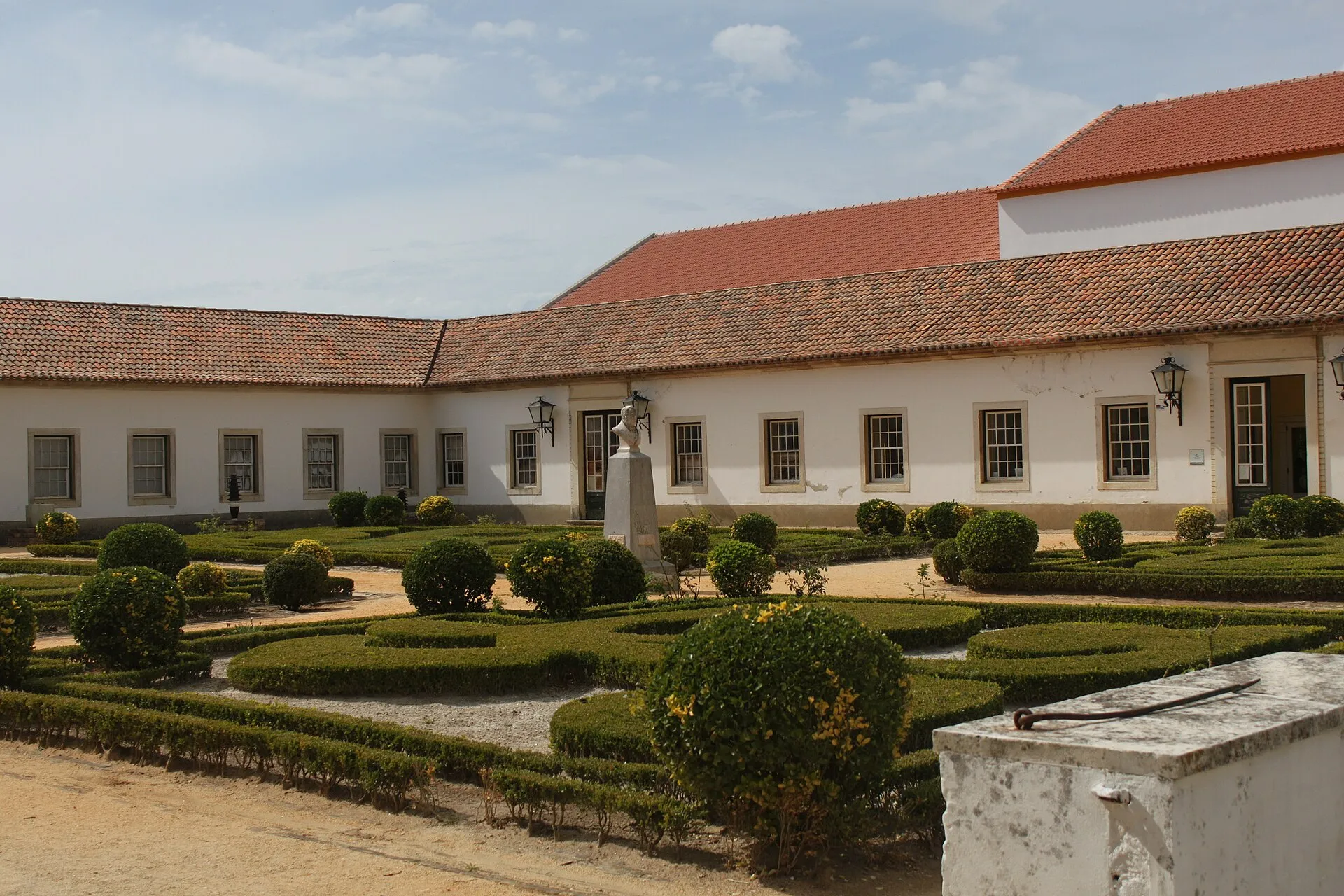
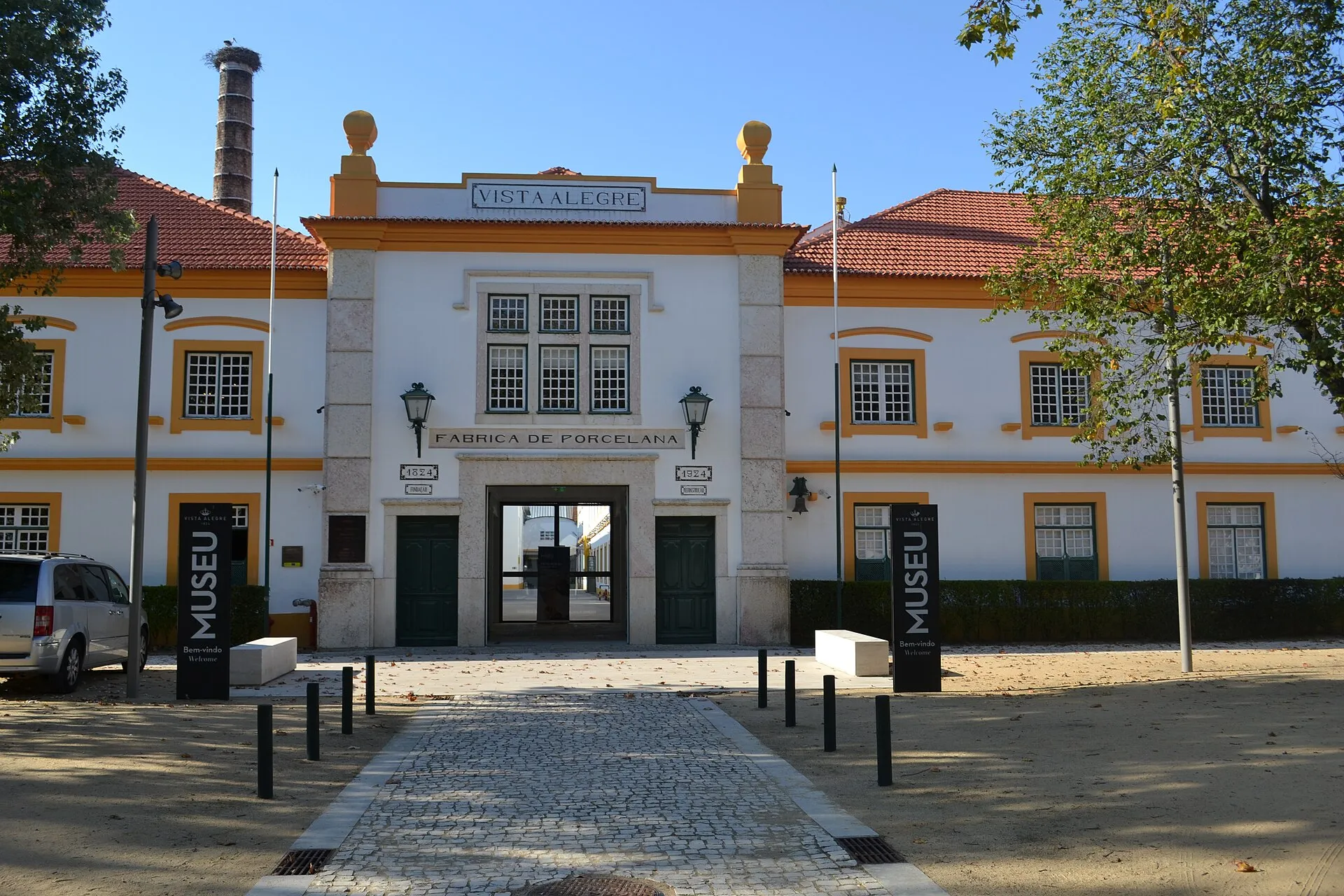
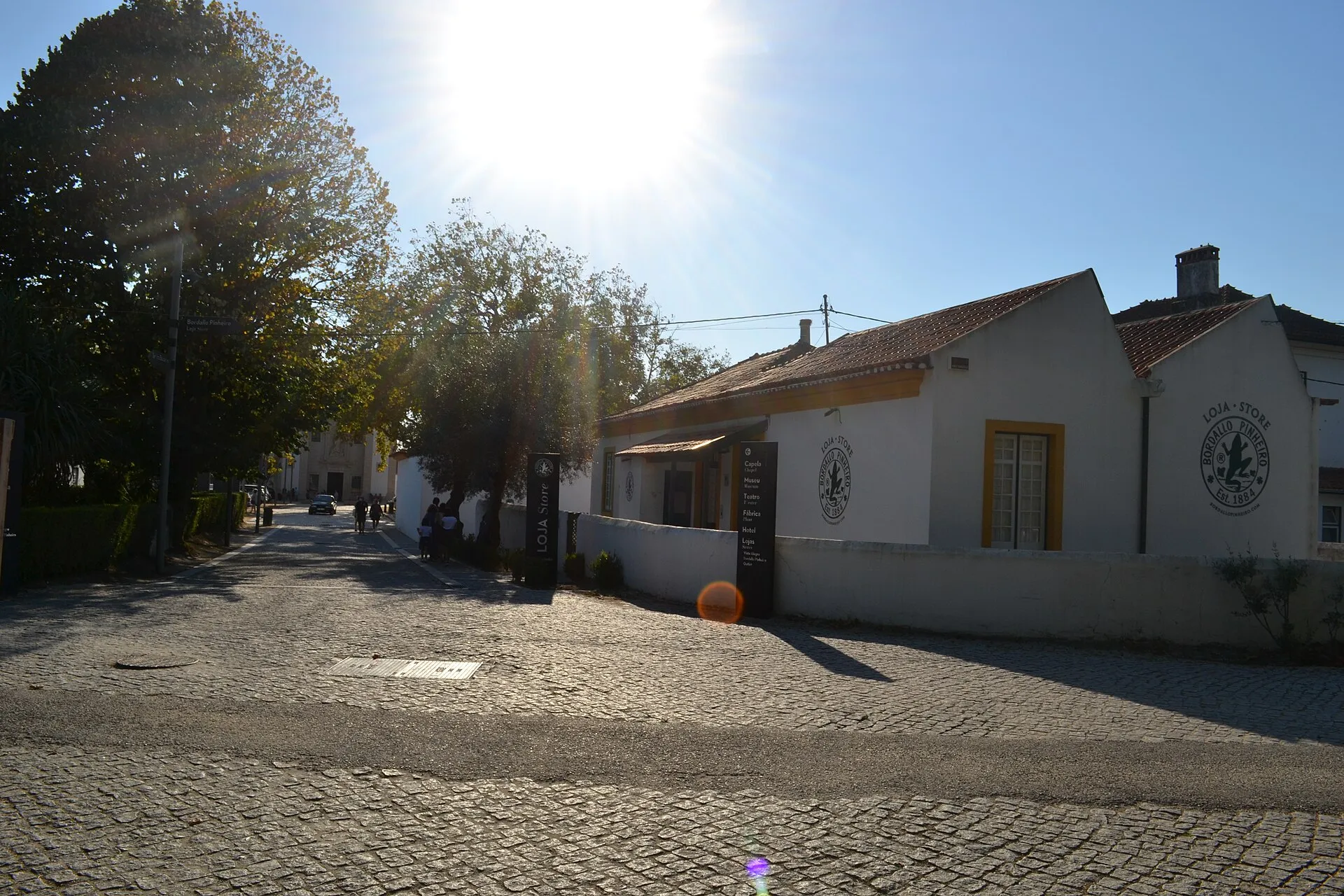
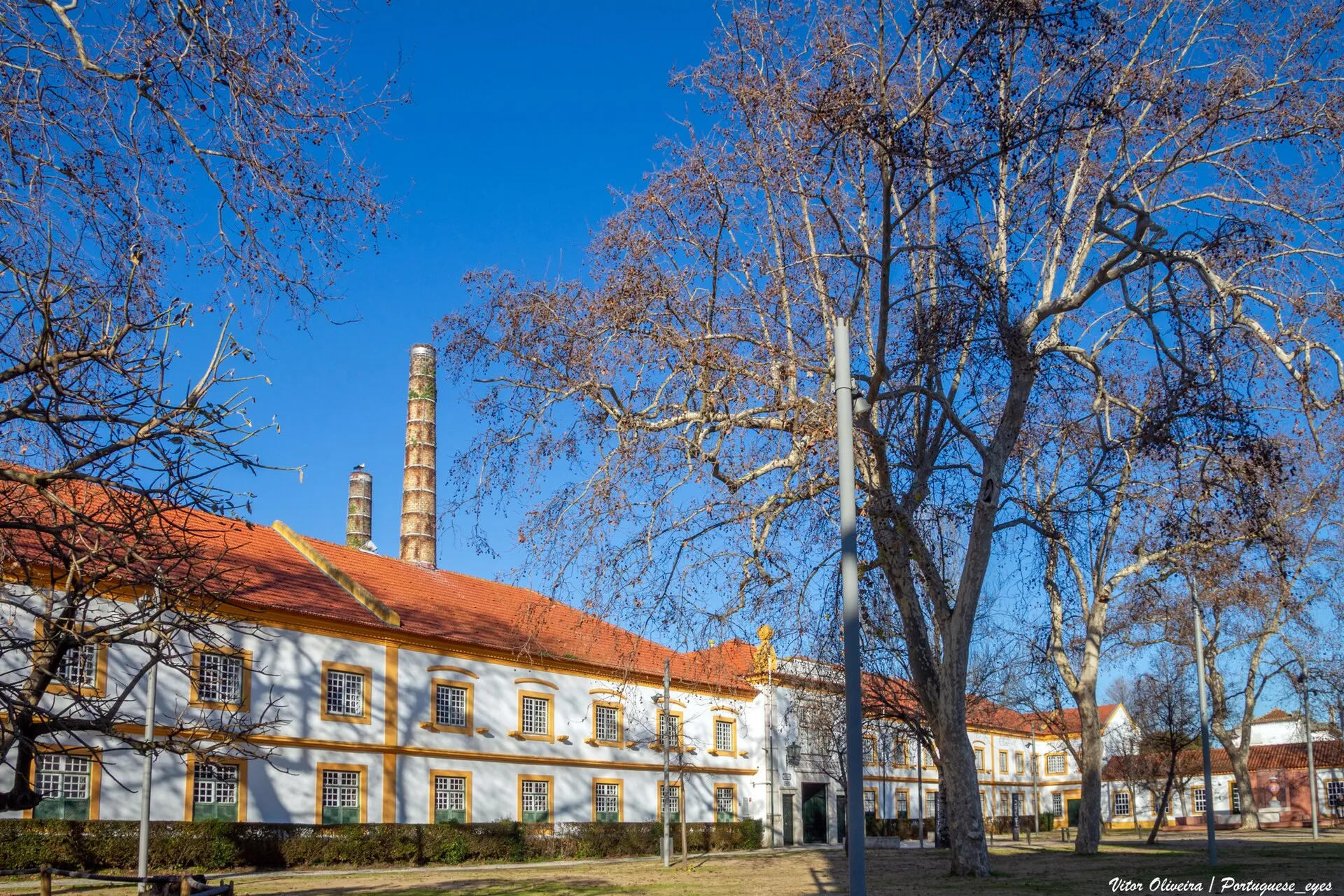
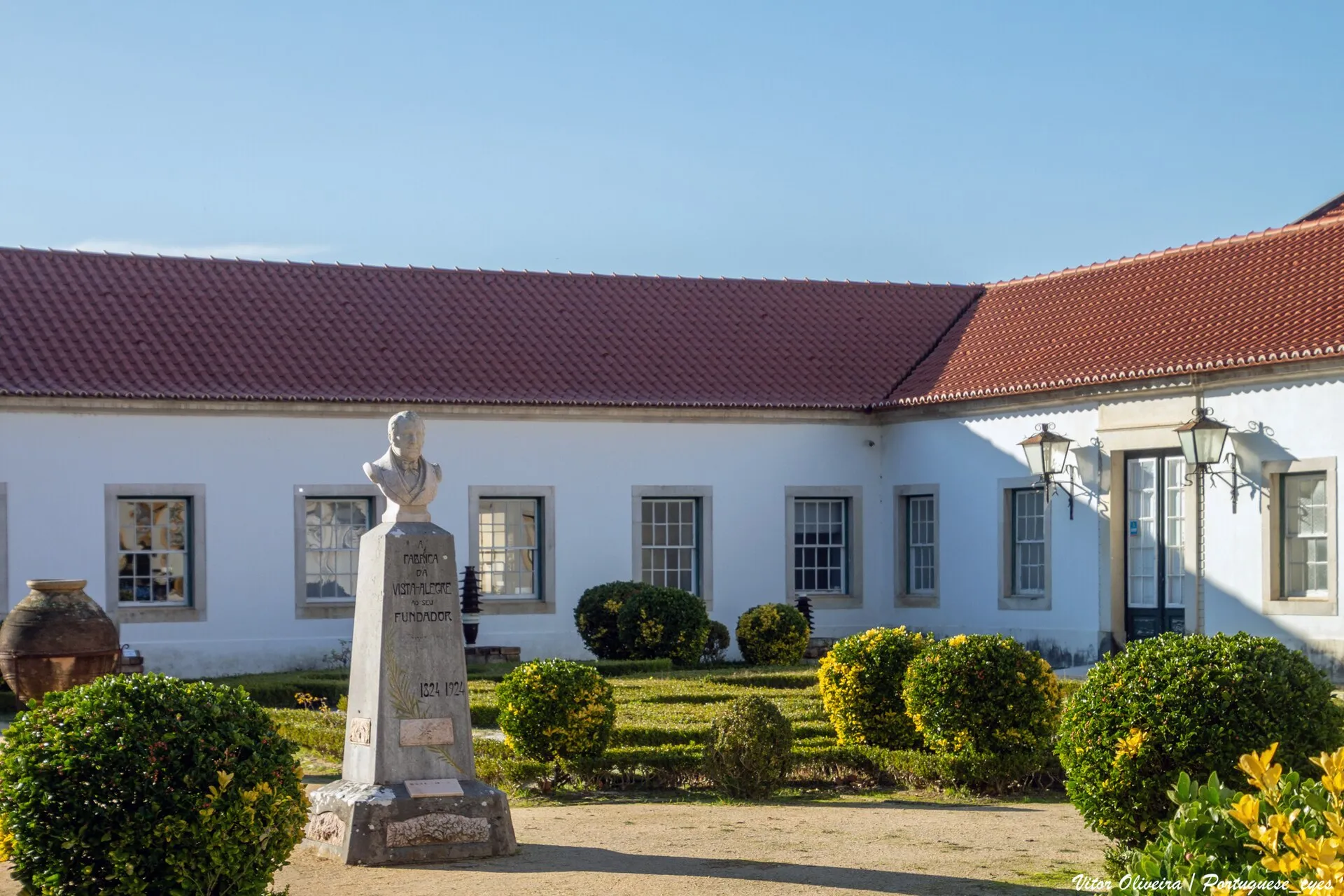
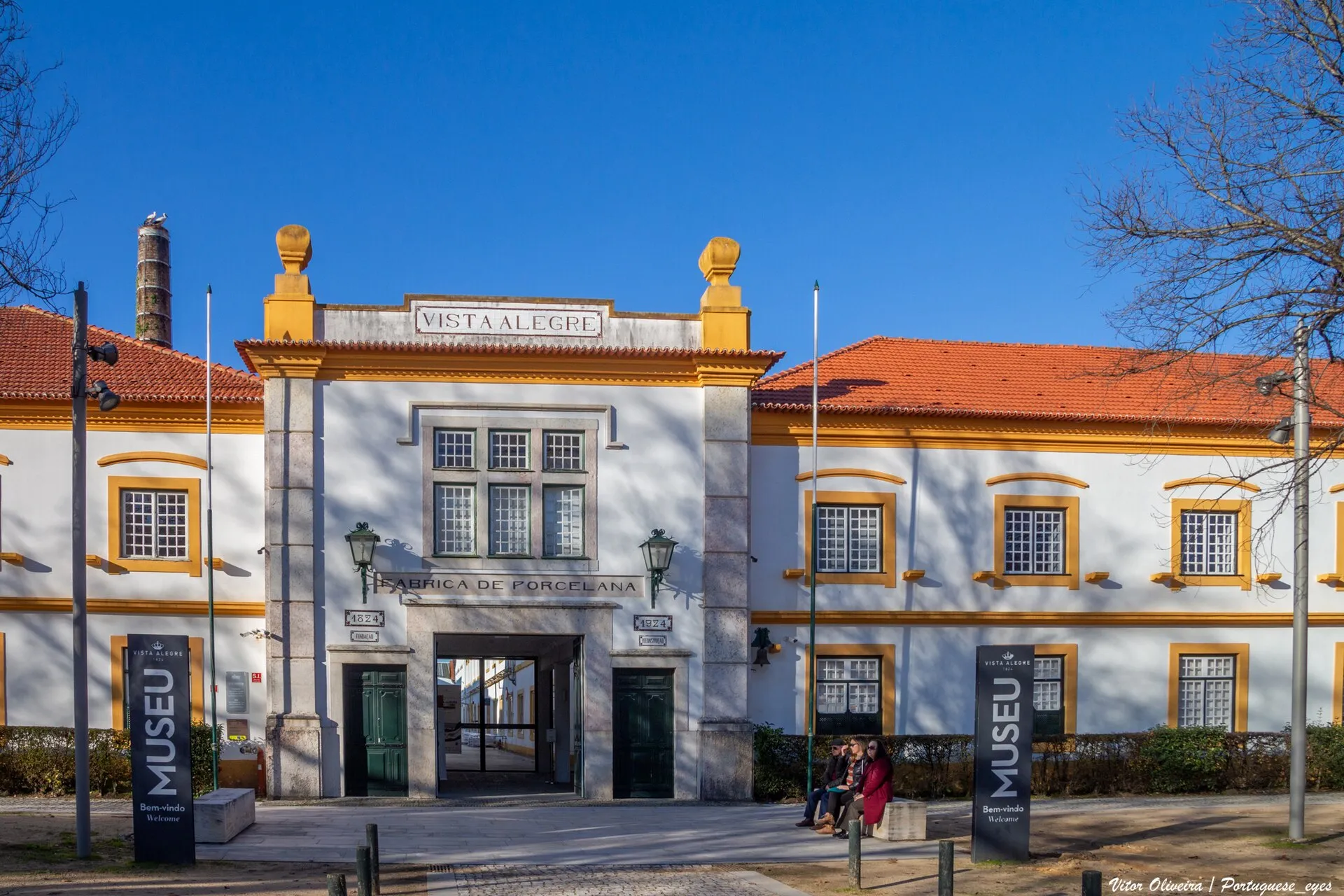
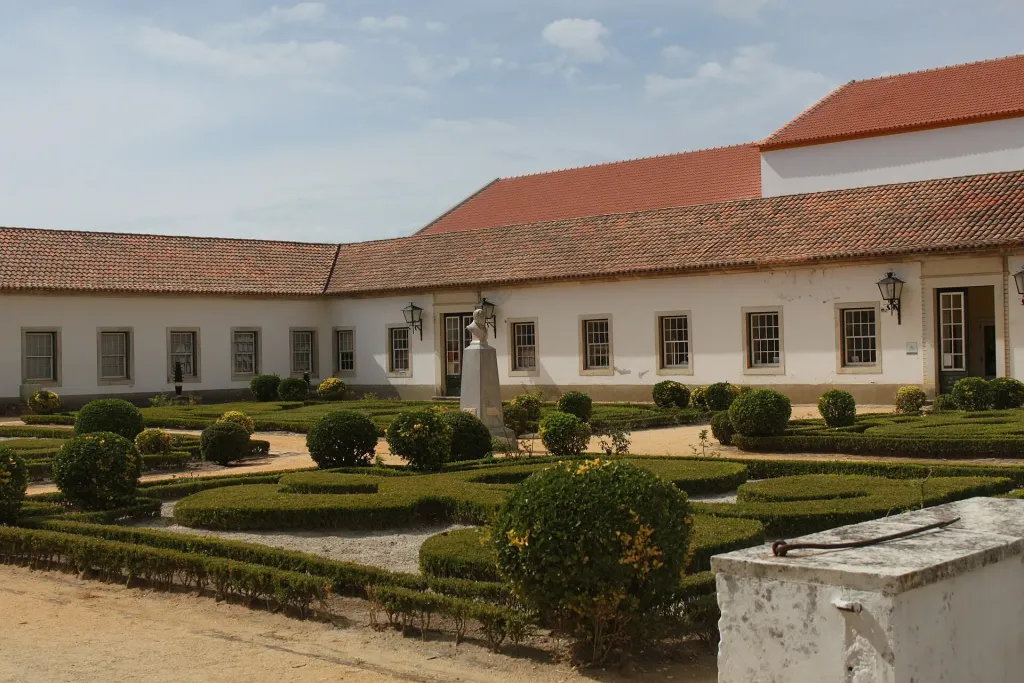
Influenced by the success of the Marinha Grande glass factory, Pinto Basto decided to create a “porcelain, glass and chemical processes” factory. He started, in 1815, by acquiring the mansion Quinta da Ermida, a beautiful place near Ílhavo town and by the Aveiro estuary, in a region rich in the essential manufacturing elements of porcelain and glass, such as fuels, clay, white and thin sands and crystallized pebbles. Later on he also bought the surrounding 100 acre (0.4 km2) premises, where he launched his project. The patent authorising the operation of the Vista Alegre Factory was granted in 1824 by King D. João VI, benefiting of “all graces, privileges and exceptions enjoyed, or to be enjoyed in the future, by the National Factories”. The, just five years later, Vista Alegre was granted the title of Royal Factory, to honor its art and industrial success.
From 1832 on, the Factory intensified its work and concentrated on perfecting porcelain, reaching a golden period that culminated late in the 19th century. The contribution from foreign artists such as Victor C. Rousseau was important, mainly for the creation of a painting school. There were very relevant facts during this period of Vista Alegre's history such as the development of a social work; the introduction of golden decorations, landscape motifs and delicate flowers; the involvement in contests (Paris, Palácio de Cristal in Porto) and, finally, in 1880, the end of glass production.
During the following years and until the end of World War I, the brilliant previous period tarnished by social unrest led the firm to harsh difficulties. Nevertheless, the spirit bred by the founder as well as the support of the drawing and painting school by artist Duarte José de Magalhães boosted the reorganization and modernization of the firm.

 1 / 6