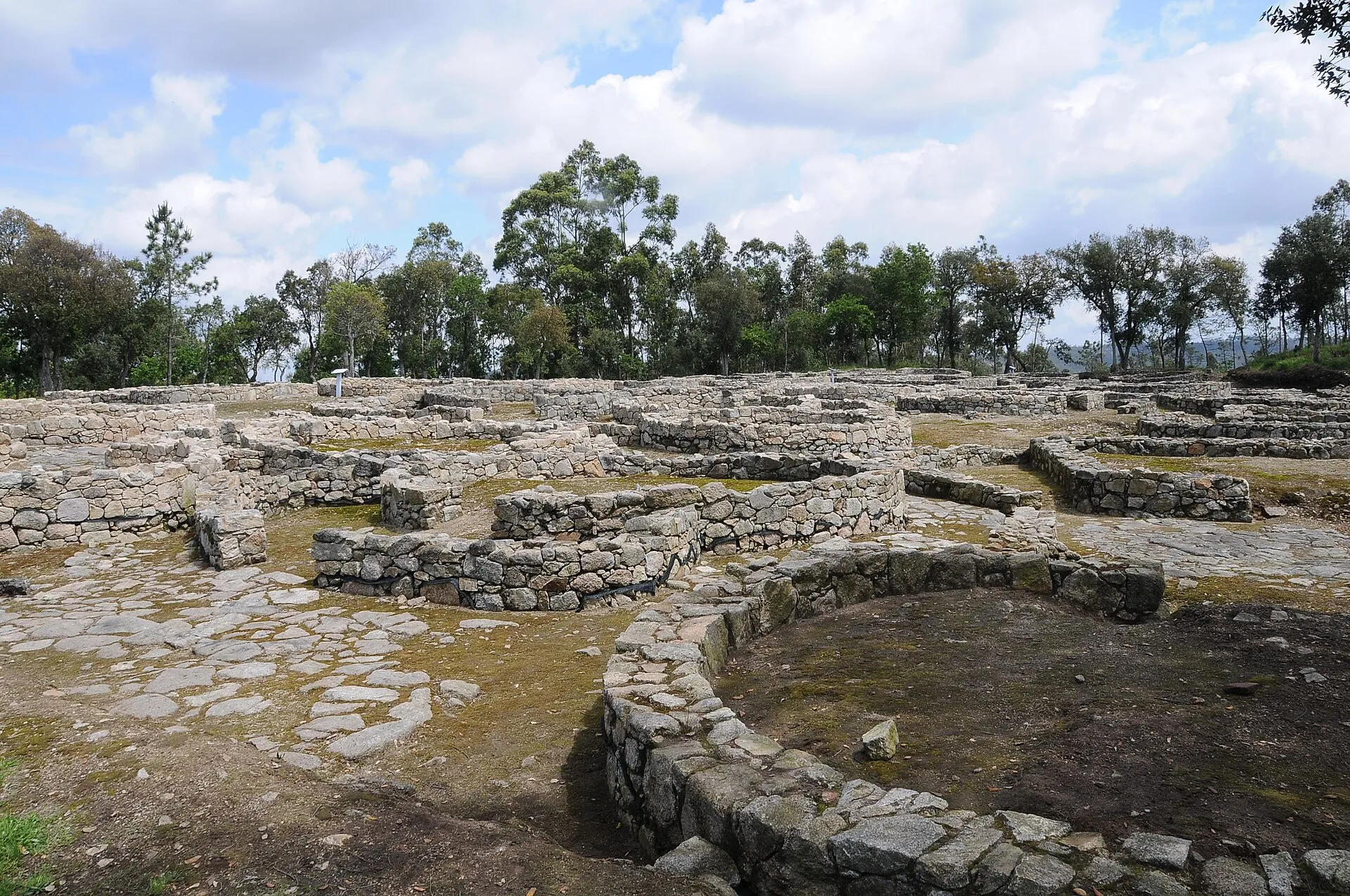
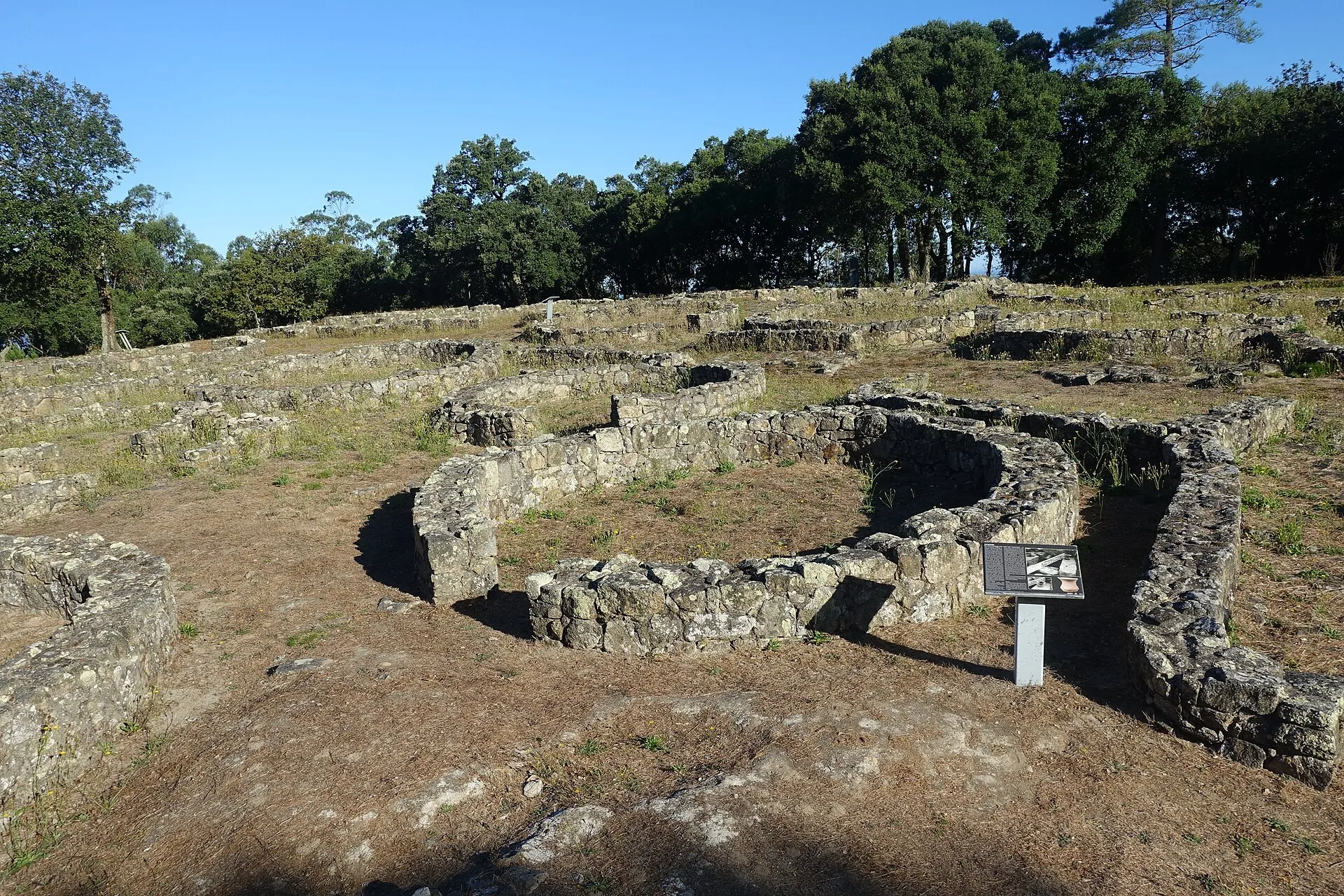
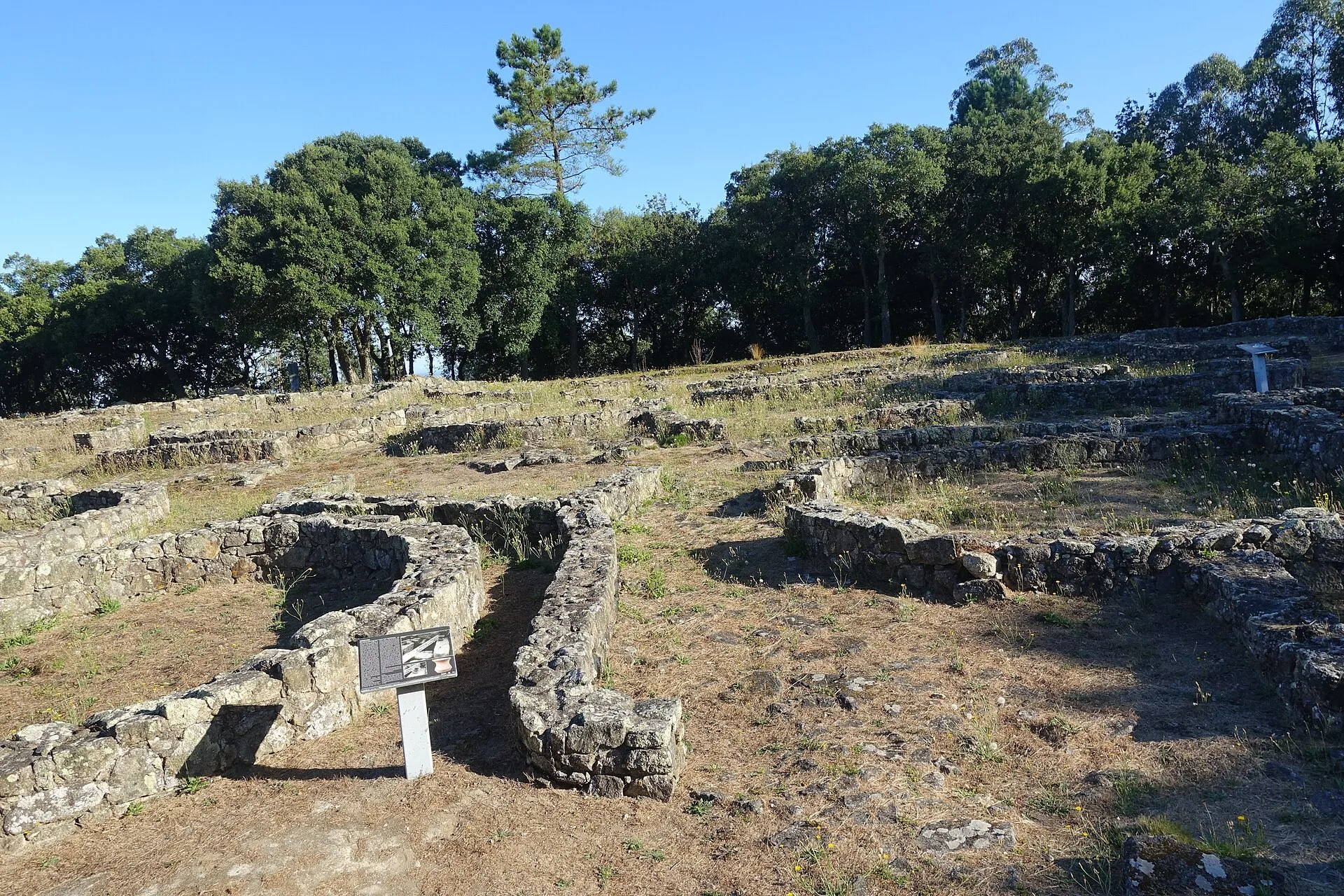
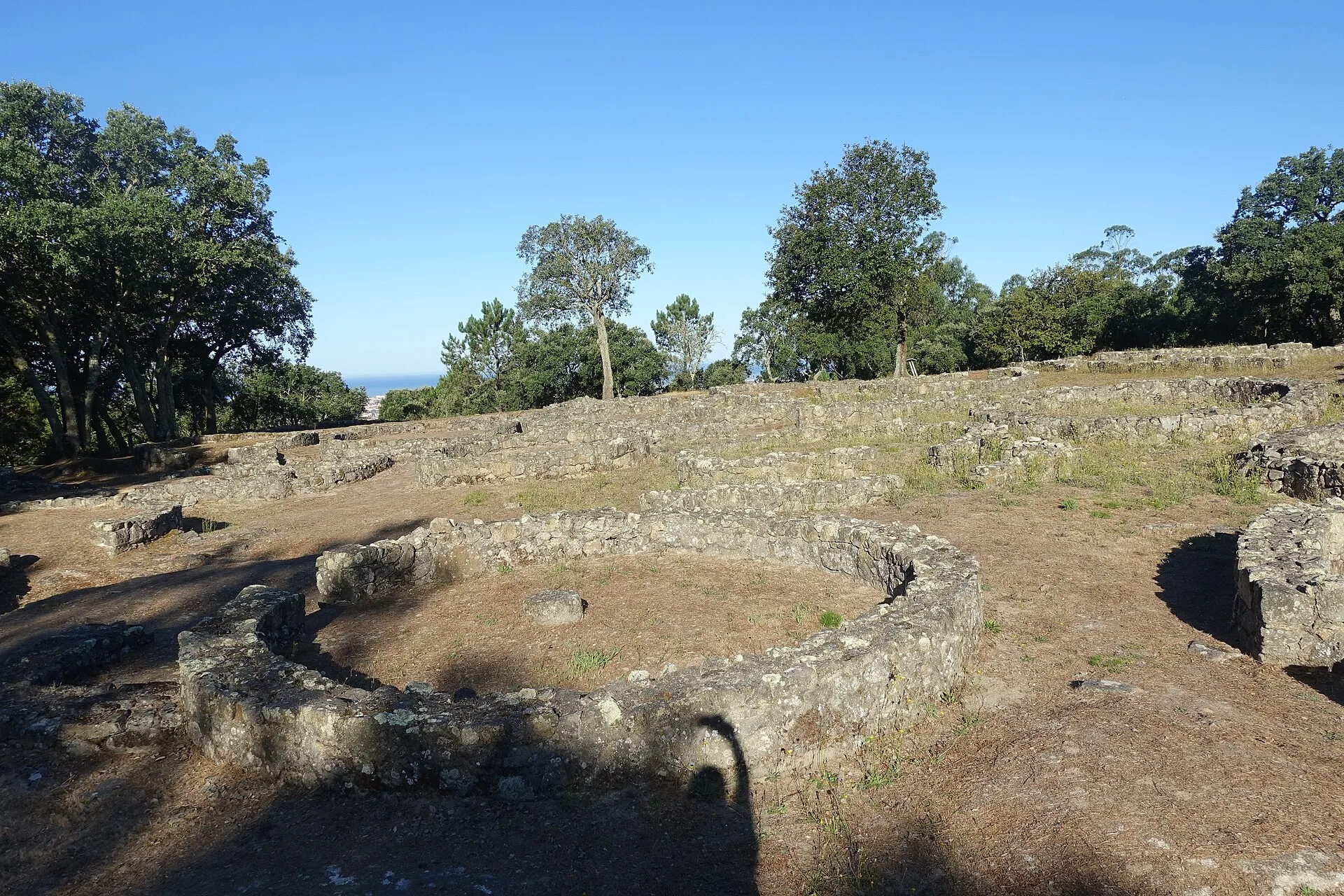
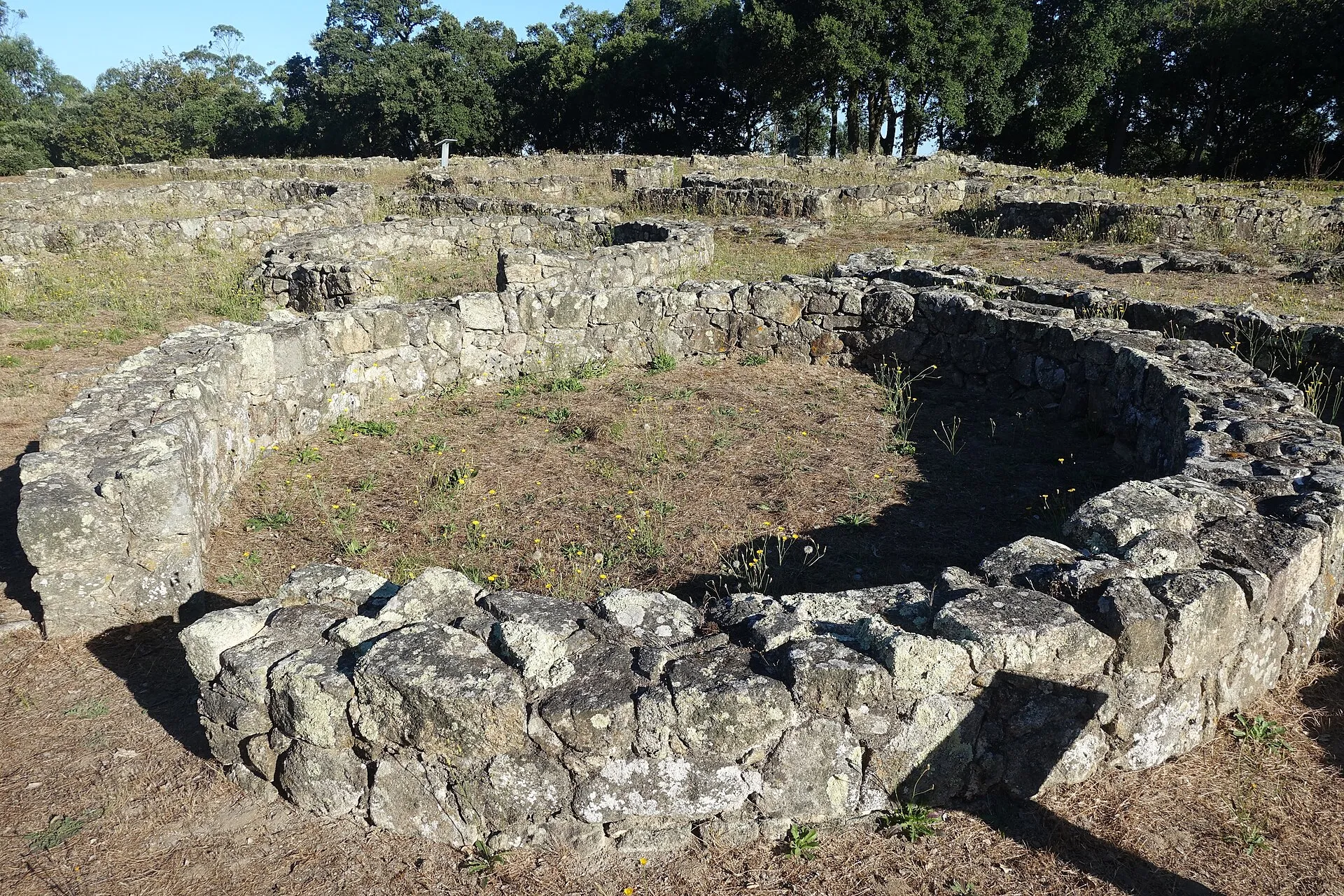
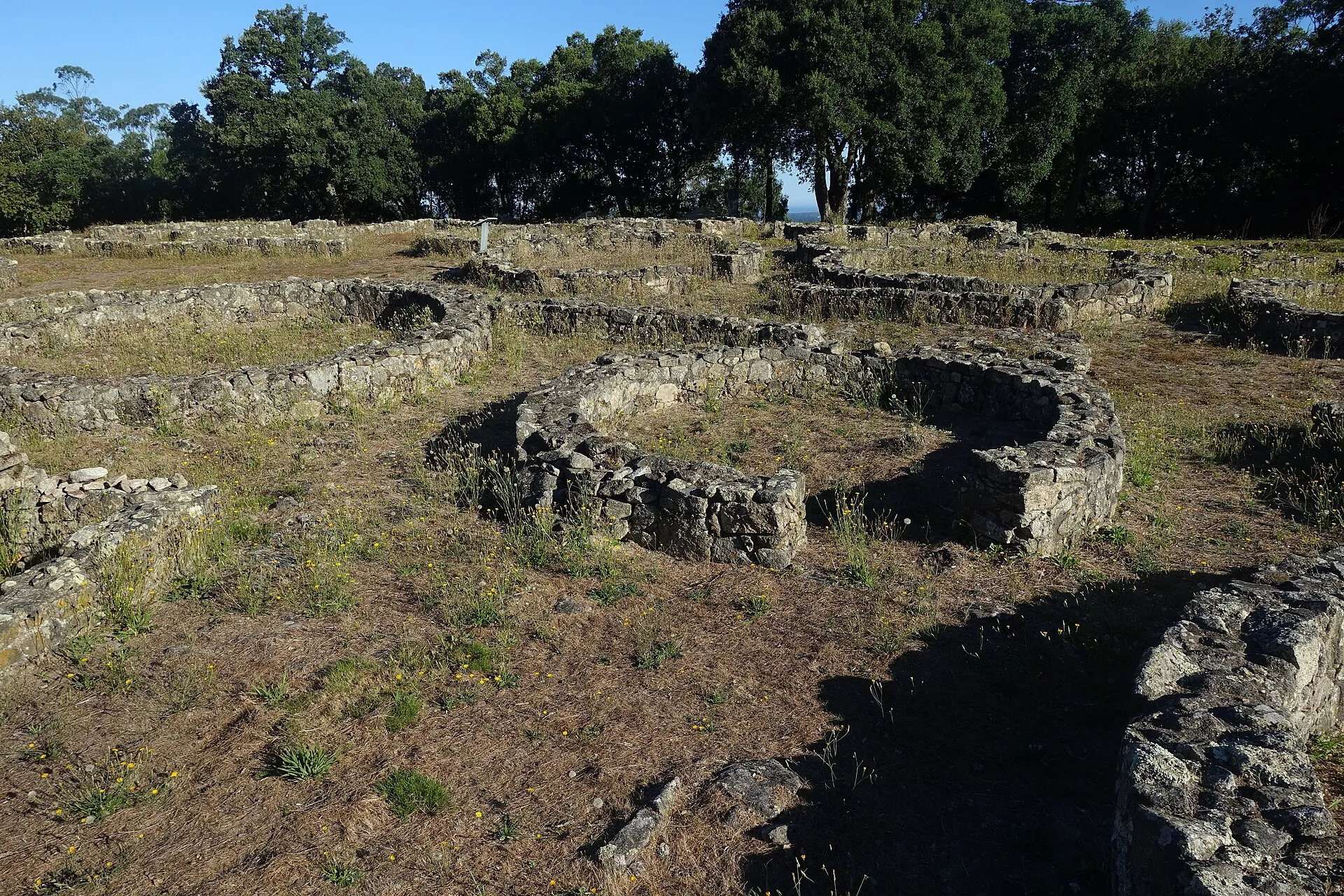
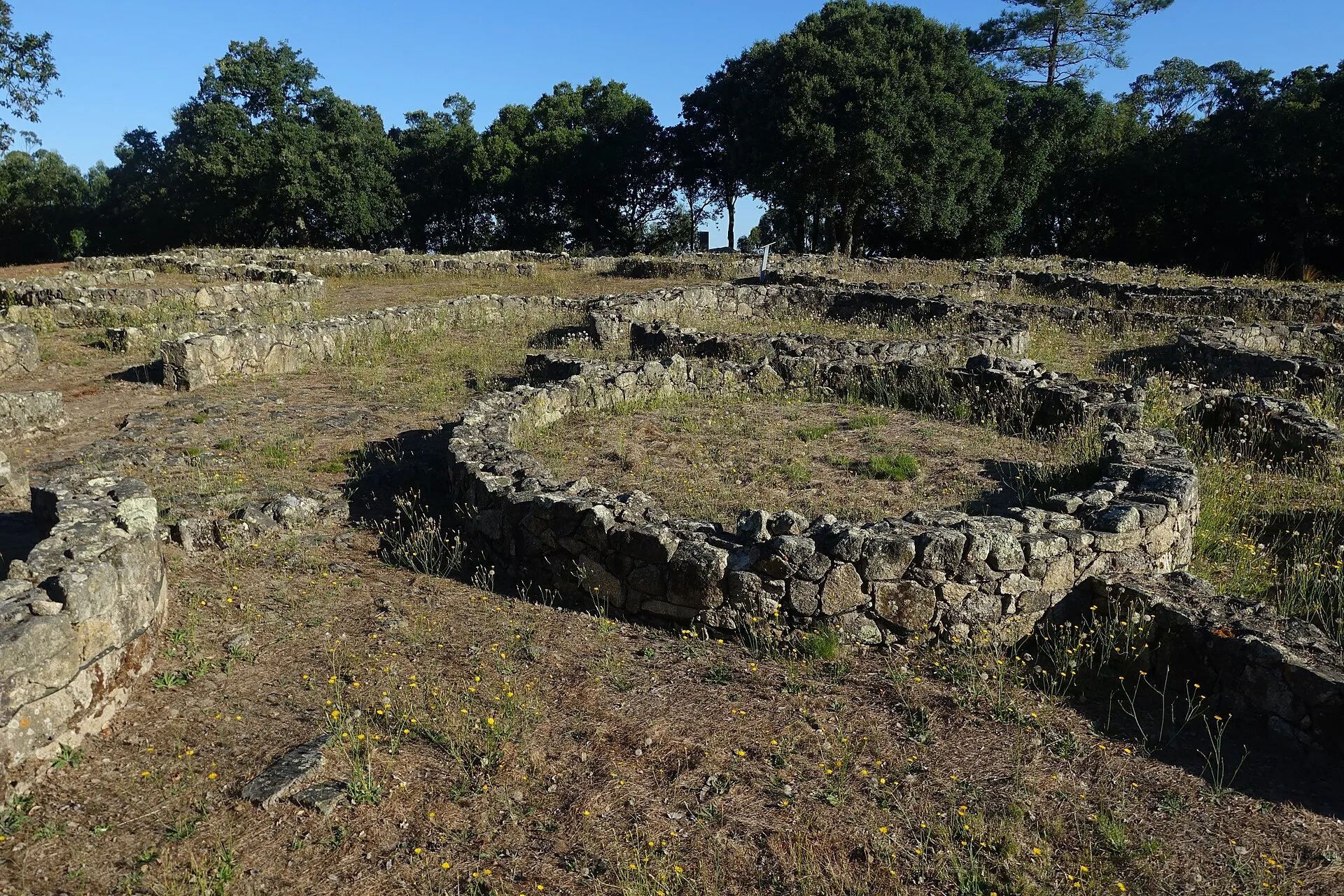
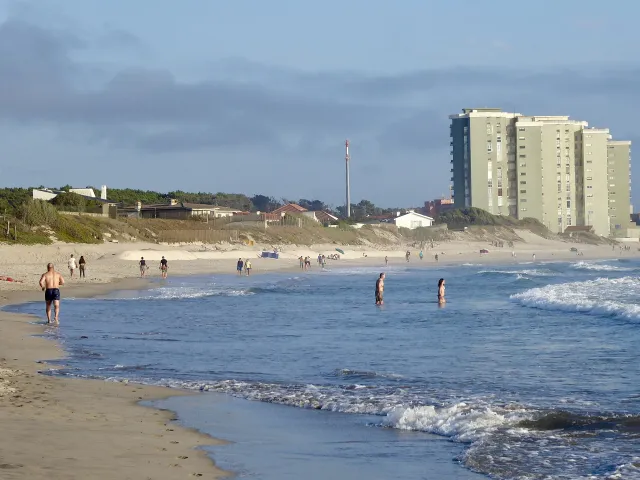
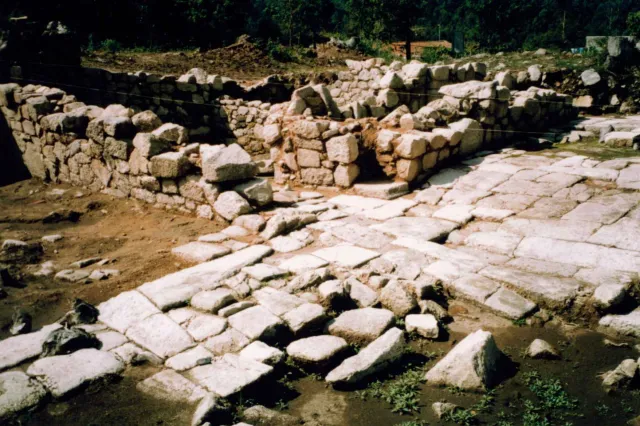
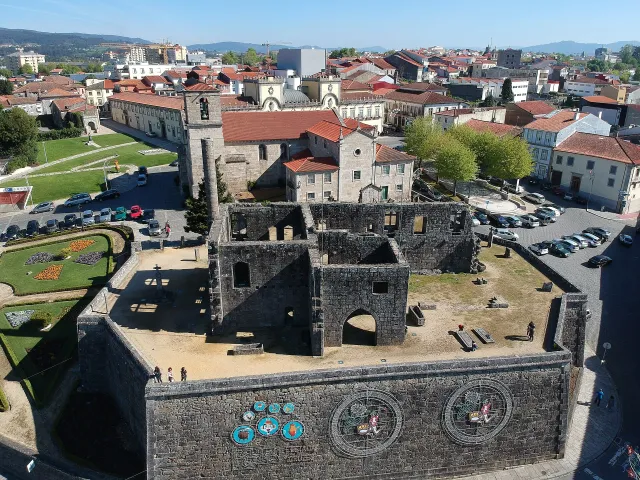
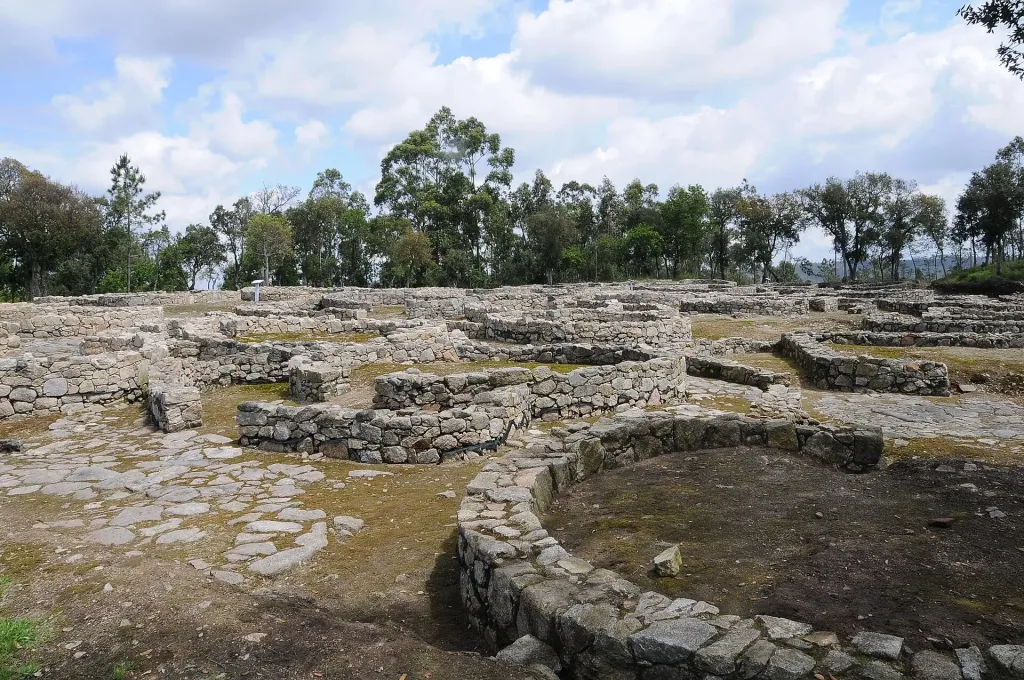
The city's ancient name is not known with certainty but it was known during the Middle Ages as Civitas Teroso (The City of Terroso). It was built at the summit of Cividade Hill, in the suburban area of Terroso, less than 5 km from the coast, near the eastern edge of modern Póvoa de Varzim.
Beyond the main citadel, three of Cividade de Terroso's outposts are known: Castro de Laundos (the citadel's surveillance post), Castro de Navais (away from the citadel, a fountain remains to this day), and Castro de Argivai (a Castro culture farmhouse in the coastal plain). Cividade de Terroso is located just 6,3 km from Cividade de Bagunte both in the North bank of the Ave river.
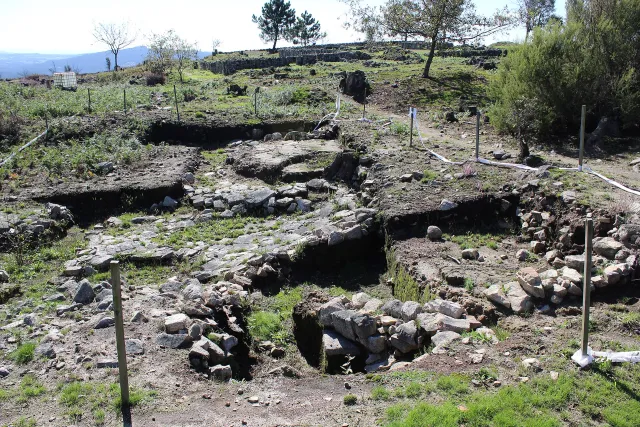
The settlement of Cividade de Terroso was founded during the Bronze Age, between 800 and 900 BC, as a result of the displacement of the people inhabiting the fertile plain of Beiriz and Várzea in Póvoa de Varzim. This data is supported by the discovery of egg-shaped cesspits, excavated in 1981 by Armando Coelho, where he collected fragments of four vases of the earlier period prior to the settlement of the Cividade. As such, it is part of the oldest Castro culture settlements, such as the ones from Santa Luzia or Roriz.
The city prospered due to its strong defensive walls and its location near the ocean, which facilitated trade with the maritime civilizations of the Mediterranean Sea, mainly during the Carthaginian rule in the South-eastern Iberian Peninsula.
Trade eventually attracted Roman attention during the Punic Wars and the Romans had learned of the wealth of the Castro region in gold and tin. Viriathus led the troops of the Lusitanian confederation, which included several tribes, and hindered the northward growth of the Roman Republic at the Douro iver, but his murder in 138 BC opened the way for the Roman legions. The citadel and the Castro culture perished at the end of the Lusitanian War.

 1 / 7