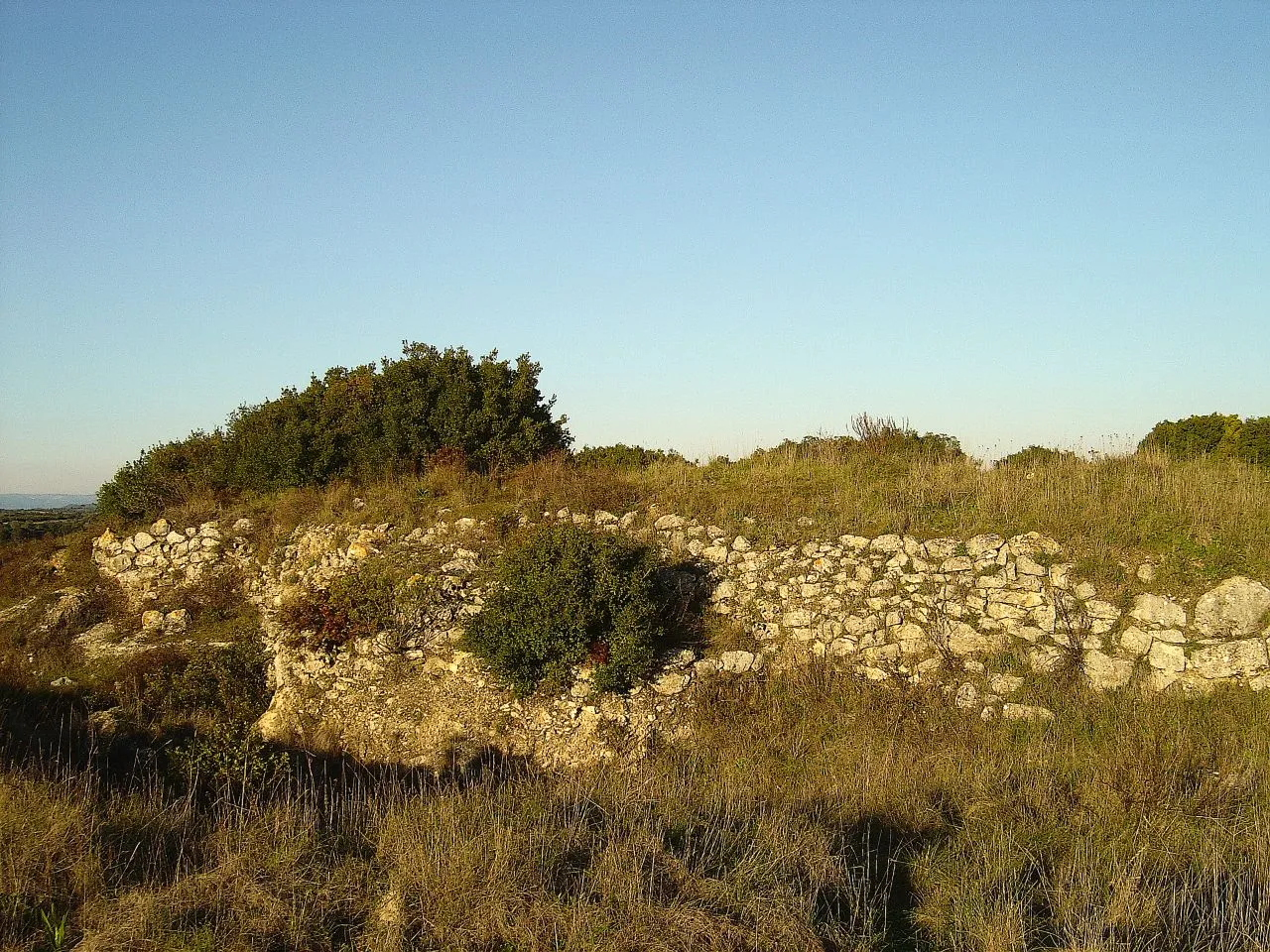
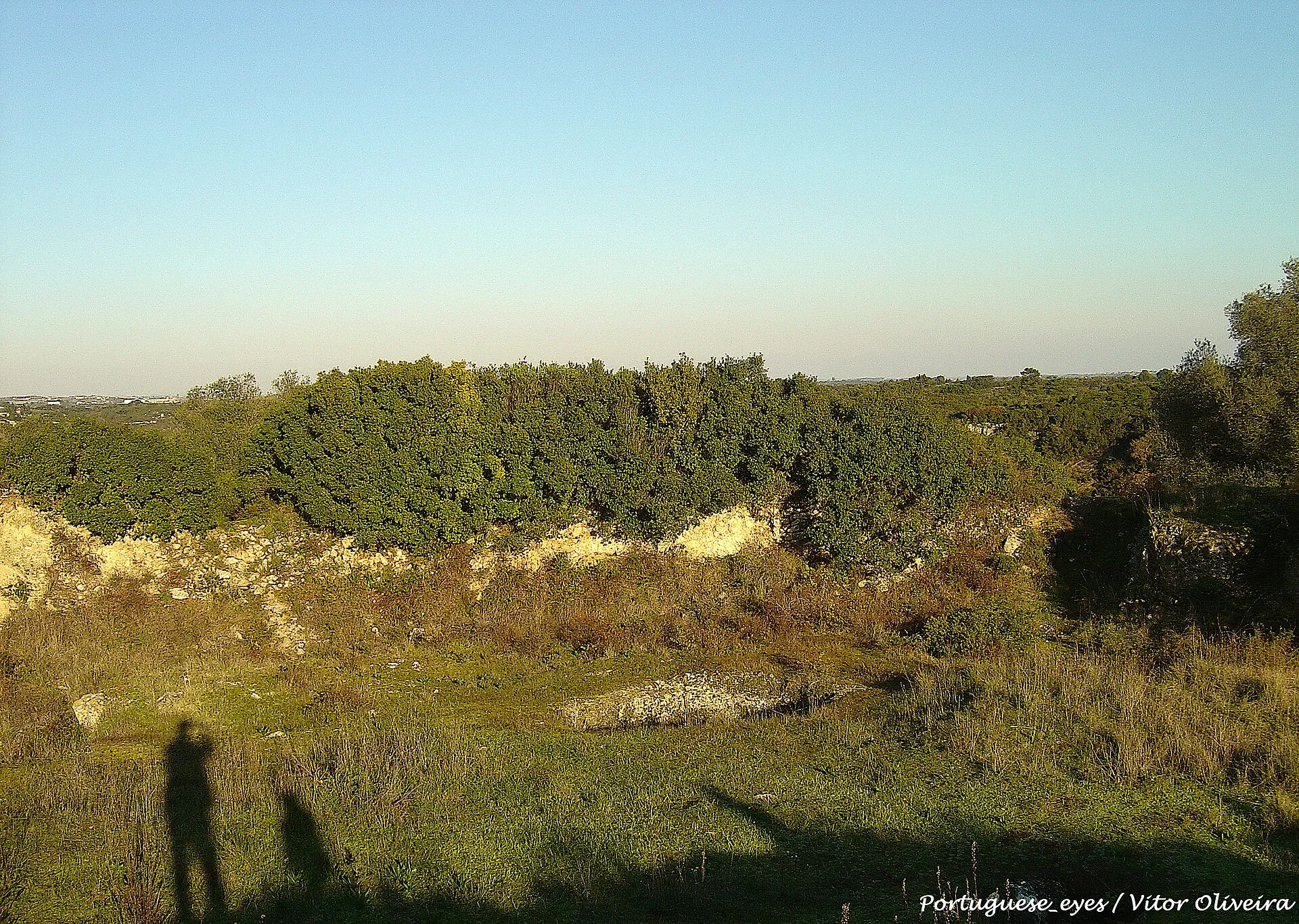
The southwestern region of the Iberian Peninsula is a focus of Megalithism, predating by 1000 years the megalithic region of western France: The erection of dolmens, menhirs and castros developed over a long period of southern and central Portugal. At about the beginning of the 3rd millennium BCE, contemporaneous with metallurgy associated with the copper and precious metals, new types of tomb-building appeared in the western Mediterranean regions. There has been some debate as to whether these developments originated in the Eastern Mediterranean or whether they are independent of these cultures, although there is little evidence to support the hypothesis, other than the use of the term tholoi (which can be seen as a more contemporaneous development).
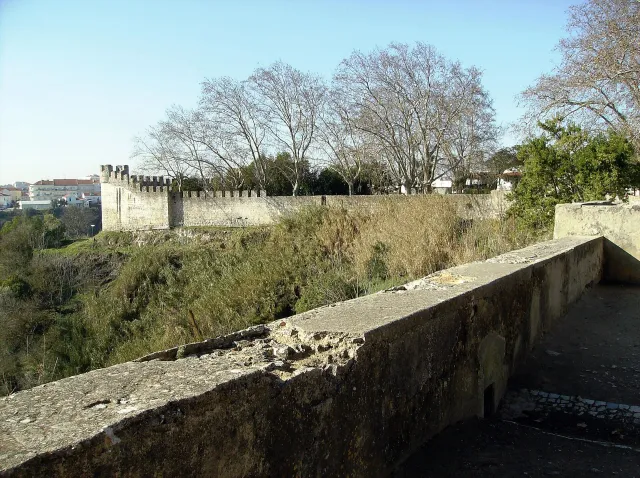
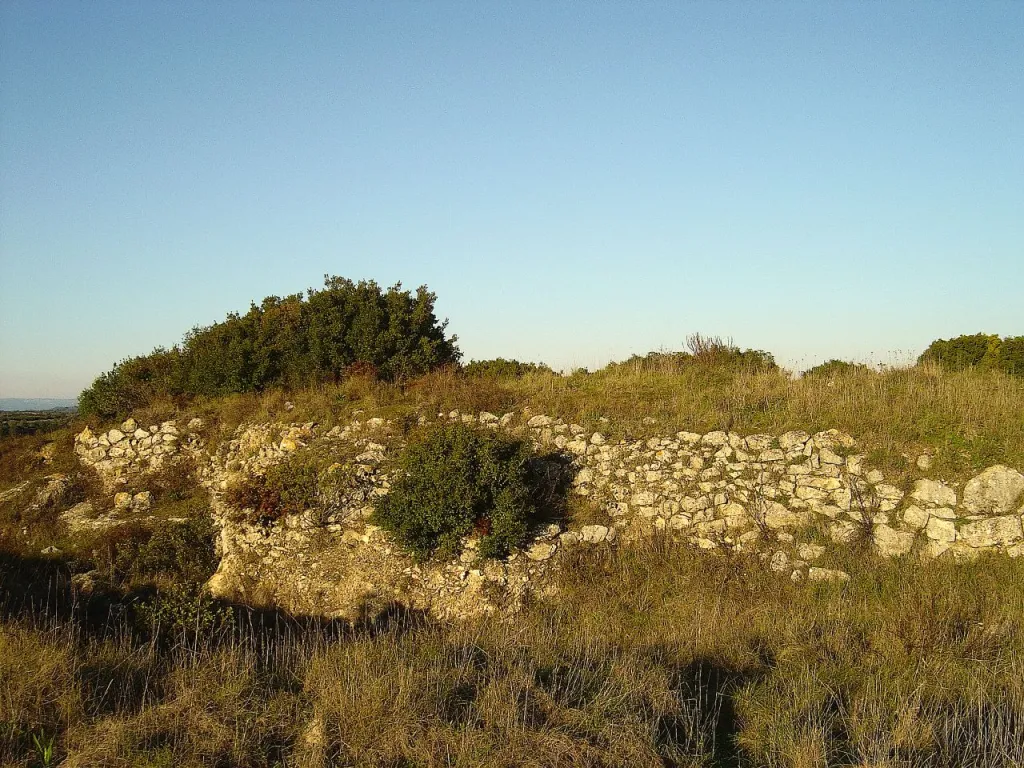
It has been determined that early inhabitants in this region began building fortifications around 2700 BCE, with the Dolmen of Herdade de Zambujal being the more central, with a very complex plan and up to six reconstructions in its lifetime. These cultures left behind many traces of their culture: stylized cups, crescents of clay, sticks of slate and the so-called plate-idols, that some archaeo-astronomers consider to be precise calendars. Nevertheless, the exchange with other groups, particularly Los Millares, is also present in the archaeological record. The inhabitants of the fort had its economy based on agriculture and grazing, which was suitable to the surrounding lowlands.
But, trade proved to have greater interest: the first settlers brought with them red-tinged pottery, more delicate than later ceramics, with excellent decoration, suggesting their contact with peoples of a superior civilization (something that they could not produce with similar quality).

 1 / 2