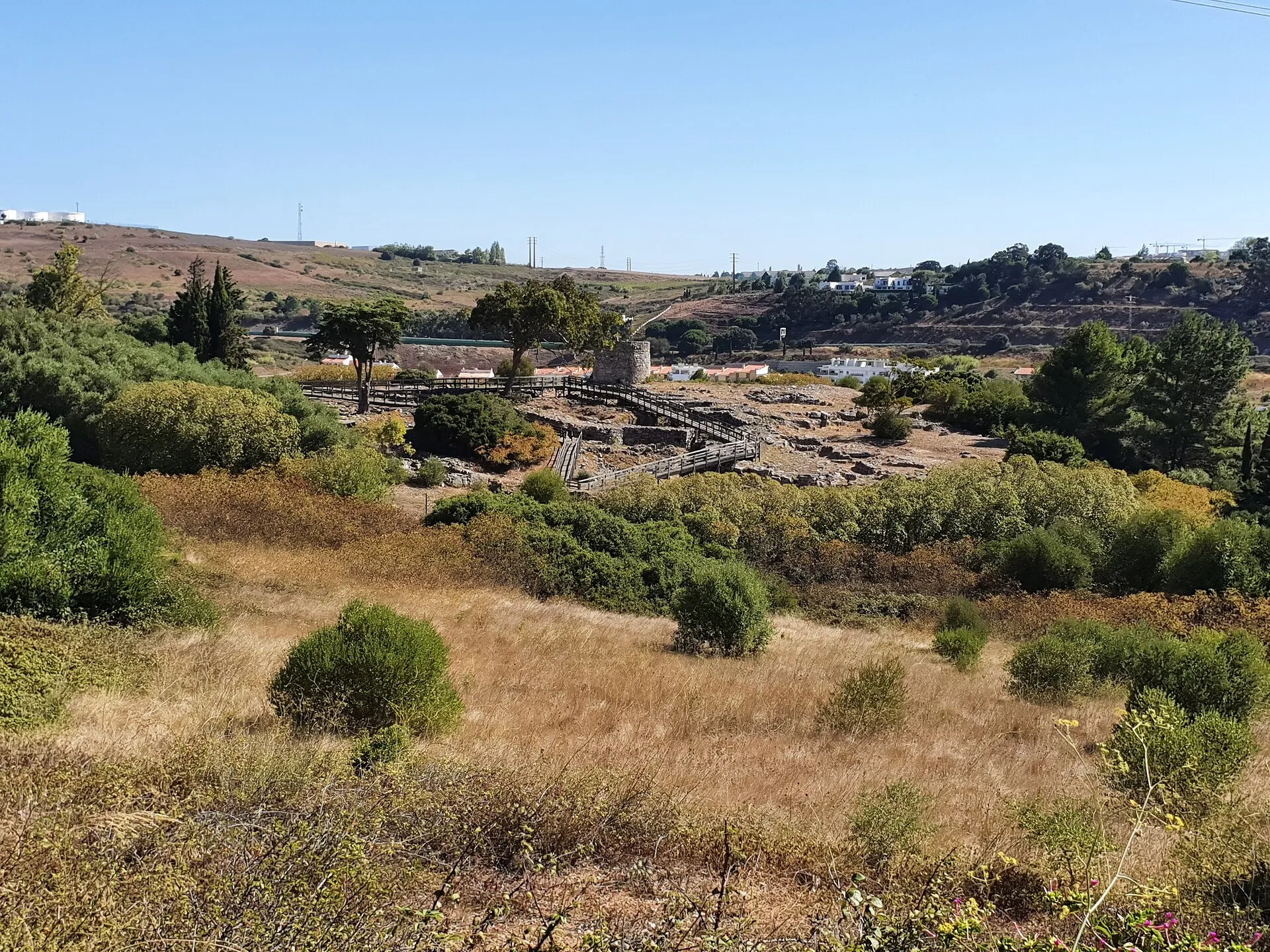
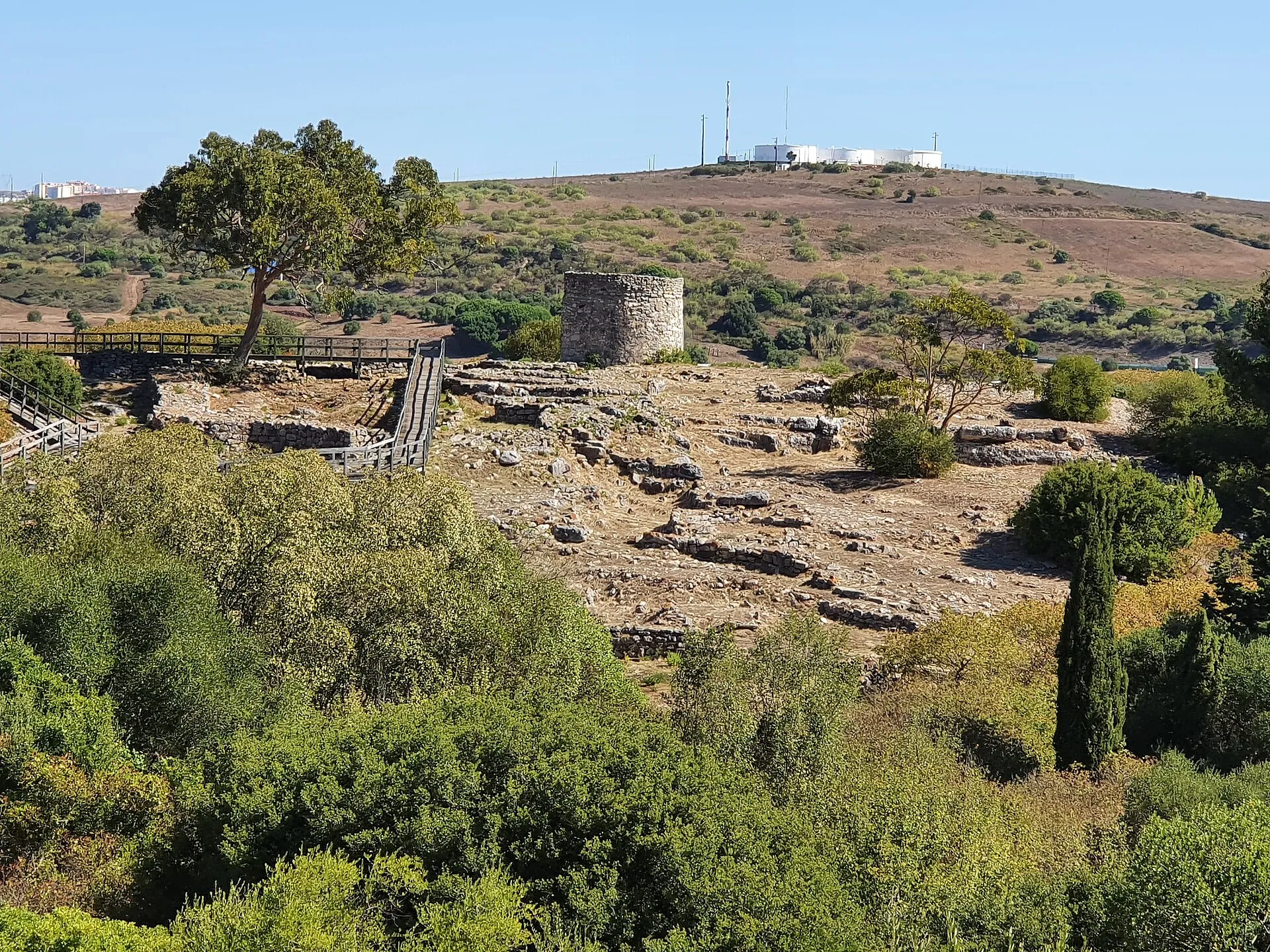
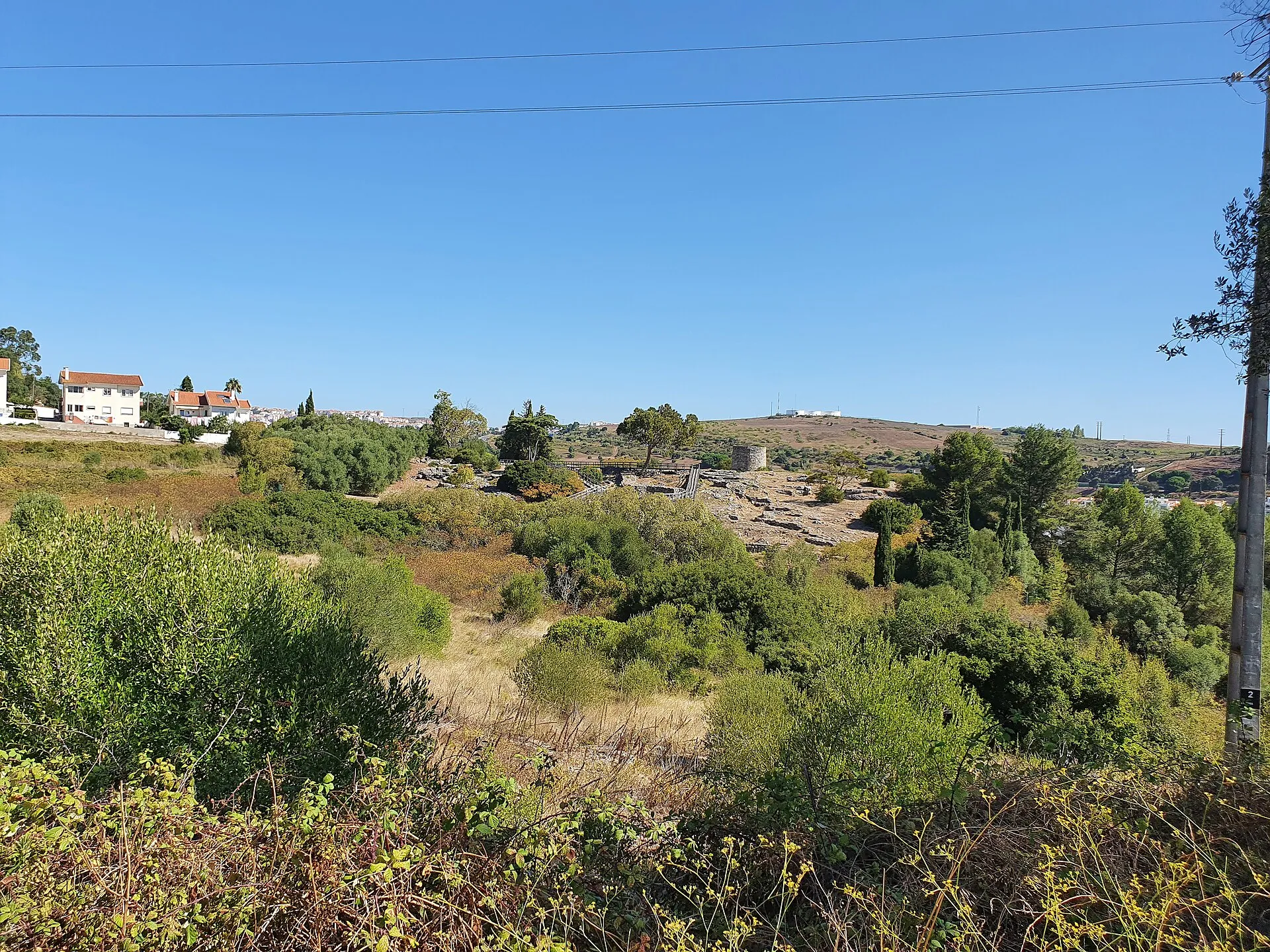
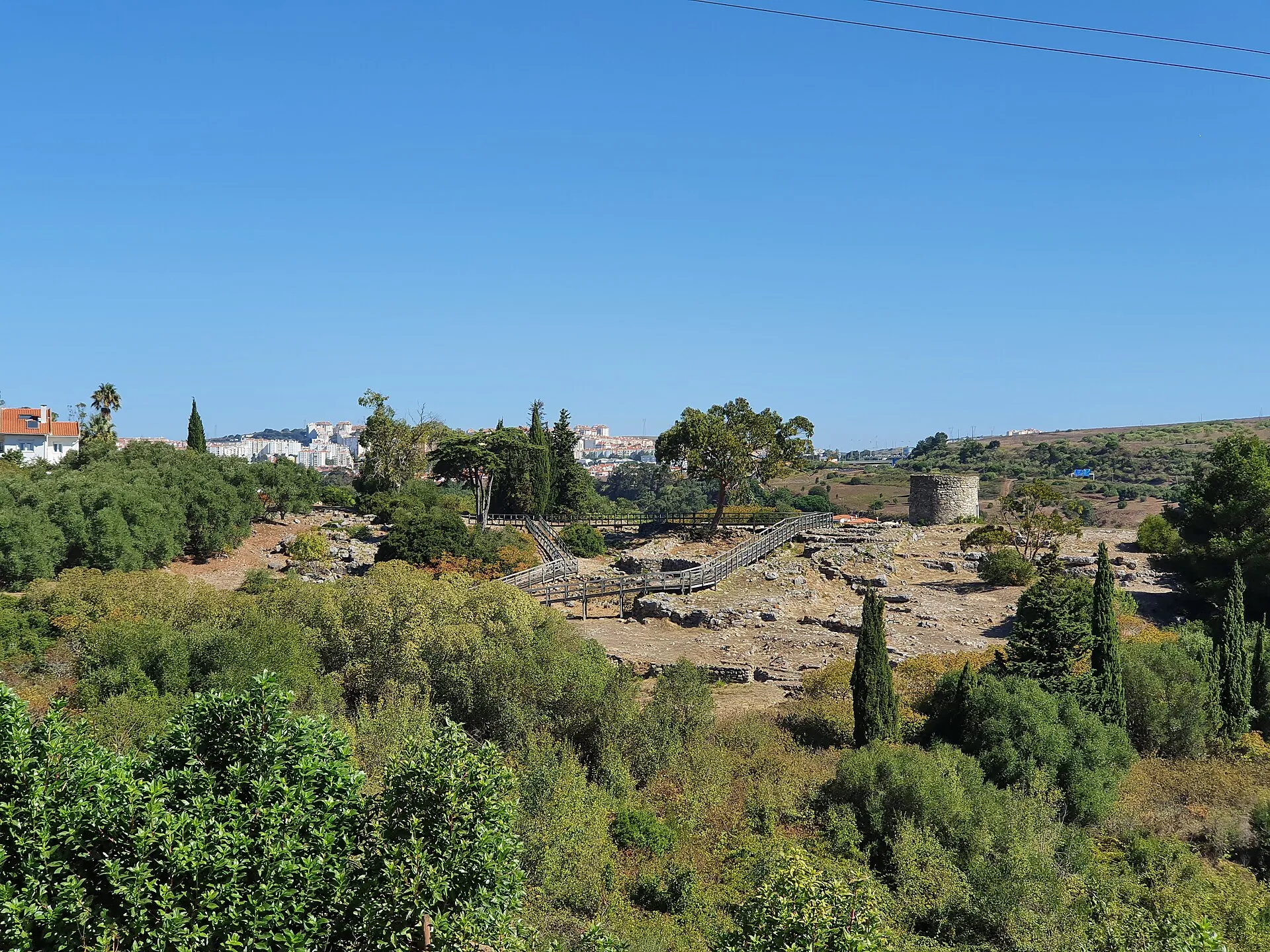
The area experienced four main occupation phases:
During the first phase (upper Neolithic) more specifically between the end of 4th millennium BCE and beginning of the 3rd millennium BCE, circular houses were built without any extra defensive constructions. Since the beginning of its occupation, the inhabitants of the Castro are thought to have been strongly sedentary. Of all the ungulate remains found, swine (used for meat) were the most frequent, followed by bovine (meat, milk and as draft animals) and caprine species (meat, milk, and wool), with sheep being particularly frequent in this latter group. Given the frequency of each type of animal and each animals' meat yield, researchers think the main contributors of protein for the Neolithic inhabitants of Leceia were bovine, with hare and deer as a vestigial part of their diet.
During the second phase (lower Chalcolithic), thee lines of walls made of blocks of local limestone were rapidly built, covering a total of 11,000 square meters. This construction was done between 2900 and 2800 BCE, after a short abandonment of the area between the first and second phases, which probably did not exceed a few dozens of years. These walls had three entrances, protected by towards. During this phase, the caprine species become predominant due to a greater focus on secondary (i.e., non-meat) products such as wool and milk. The caprine species were then followed by swine and bovine species in terms of frequency. The main source of protein, in this phase, switches from bovine to swine species. The Equus genus is present in this phase, but in a reduced frequency and undomesticated. Hare and deer remain as a vestigial part of the population's diet.

 1 / 4