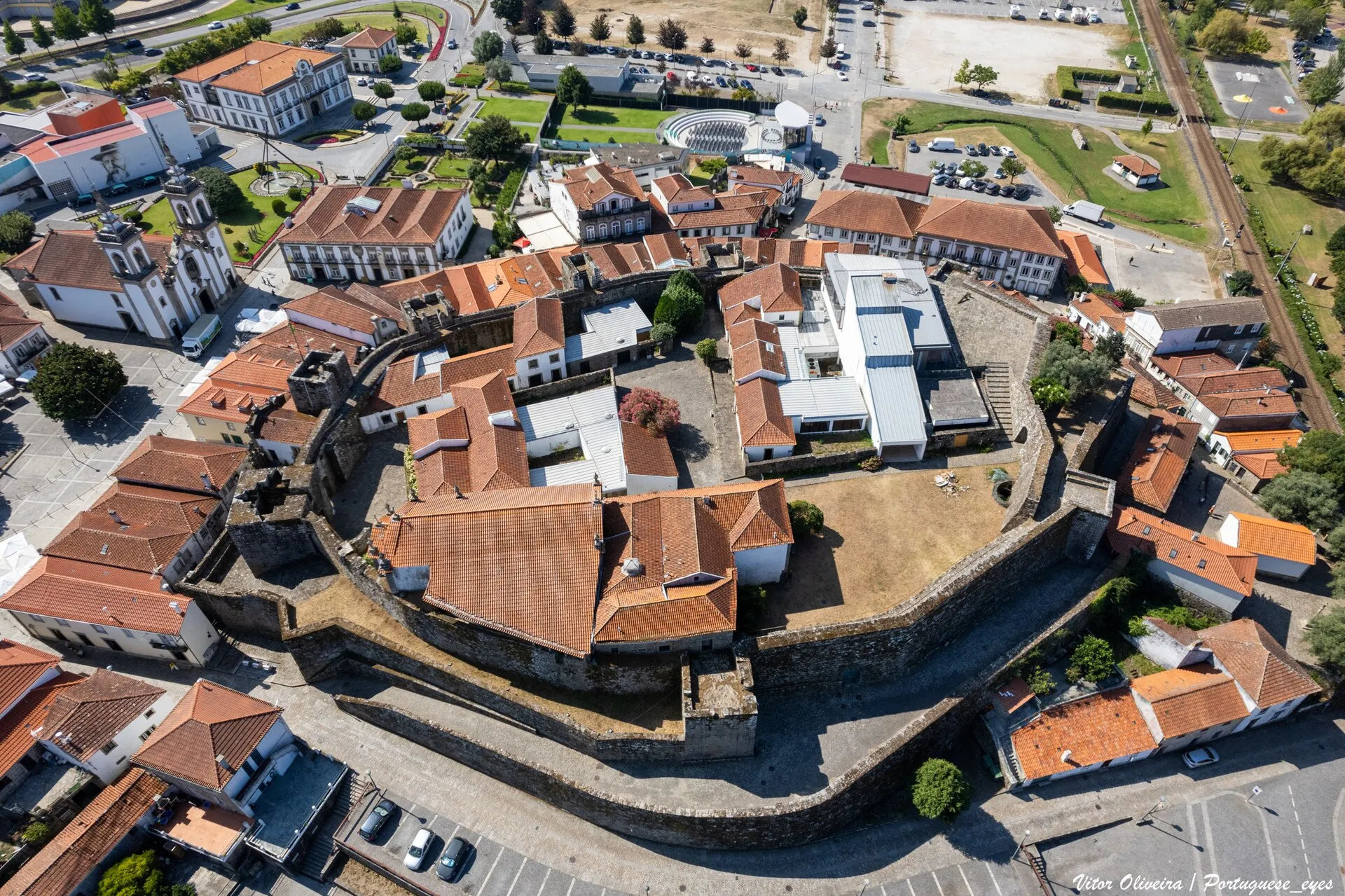
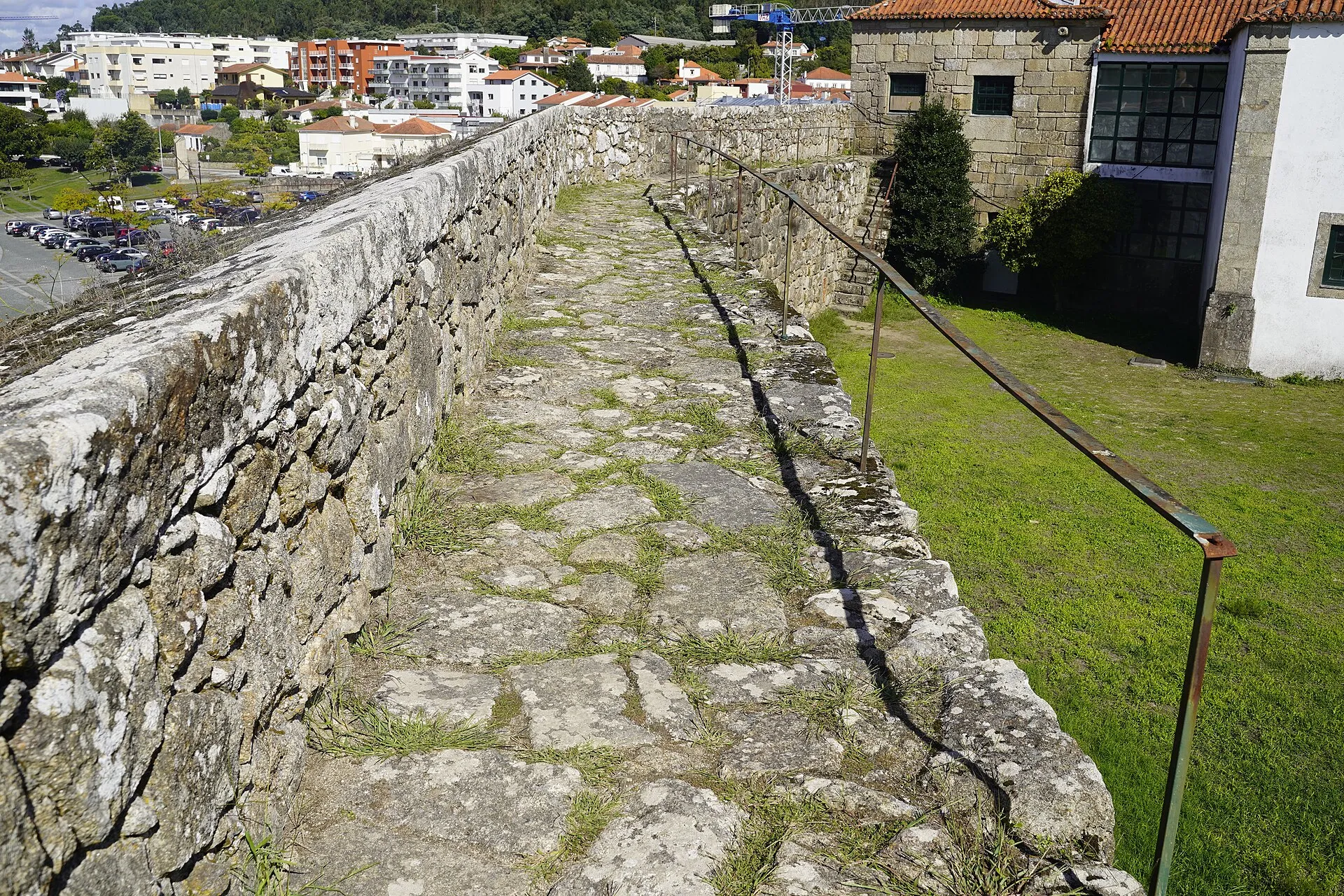
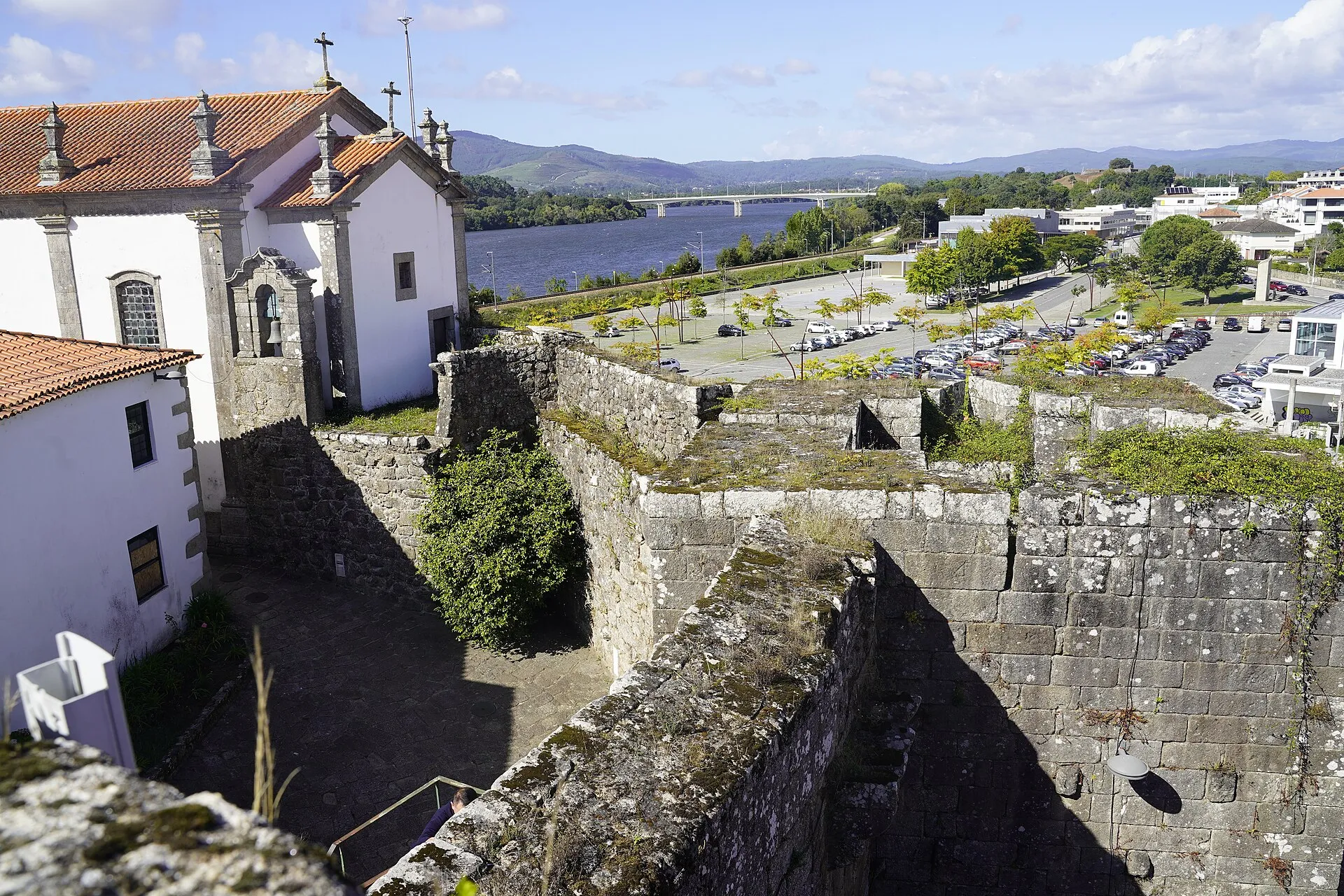
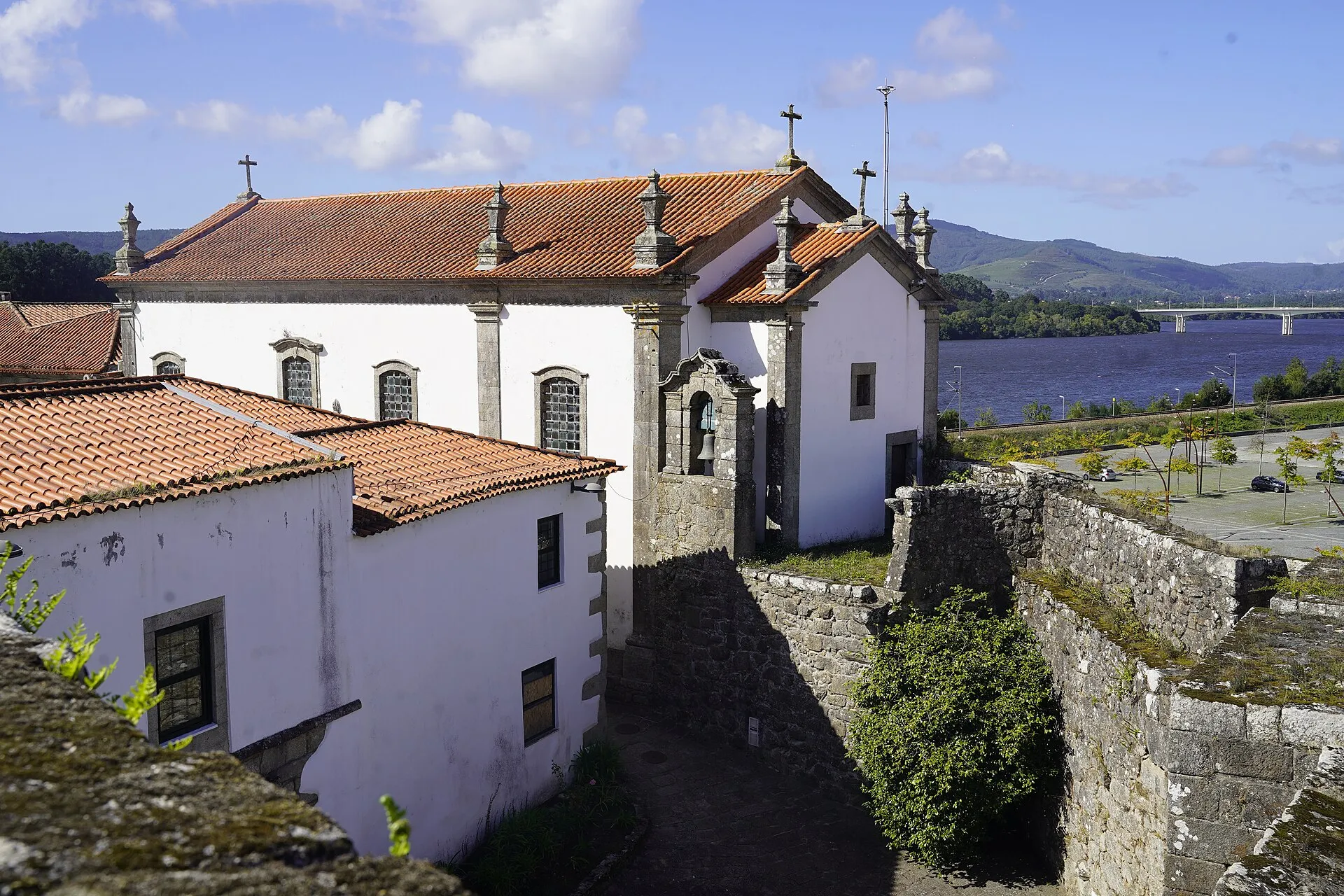
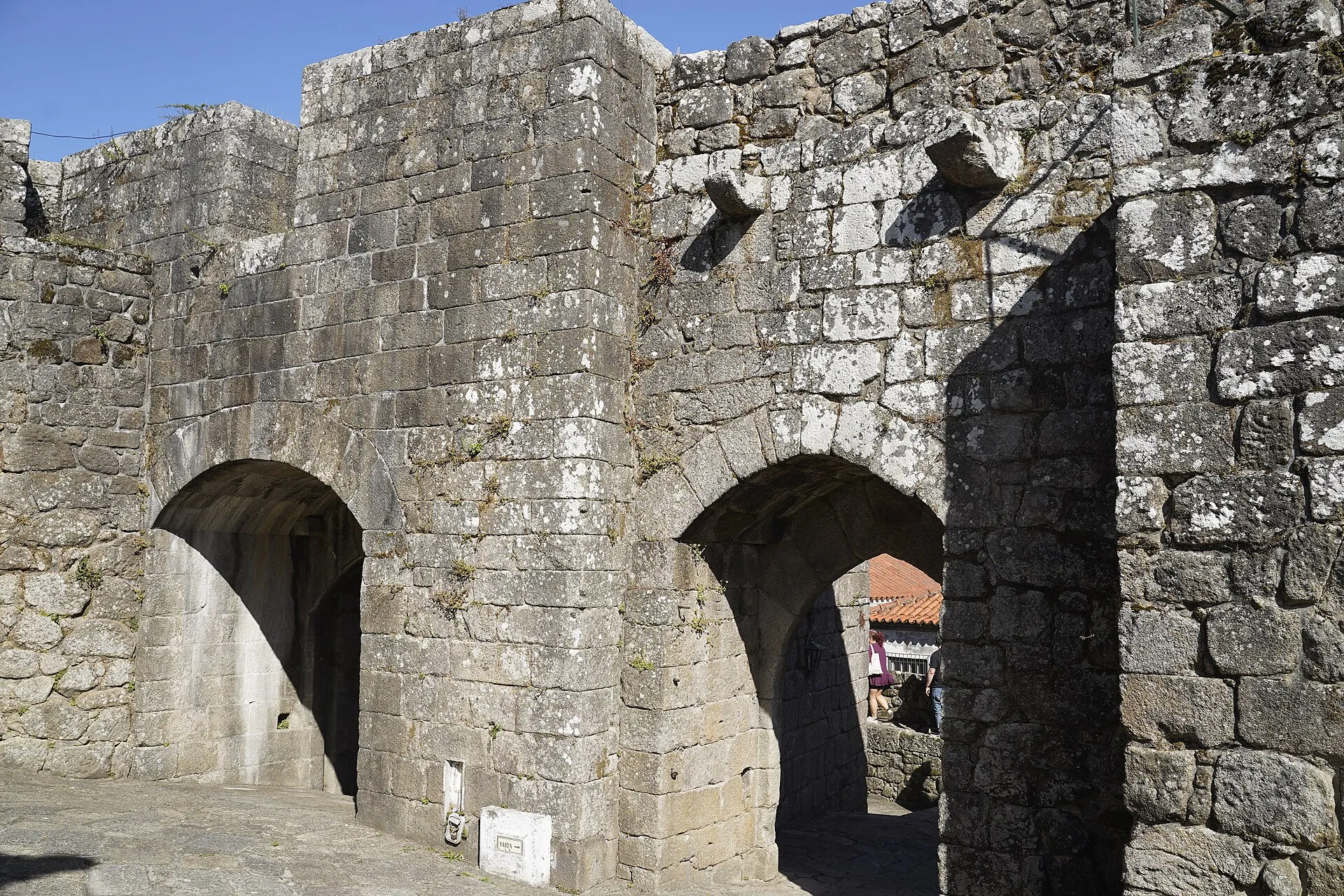
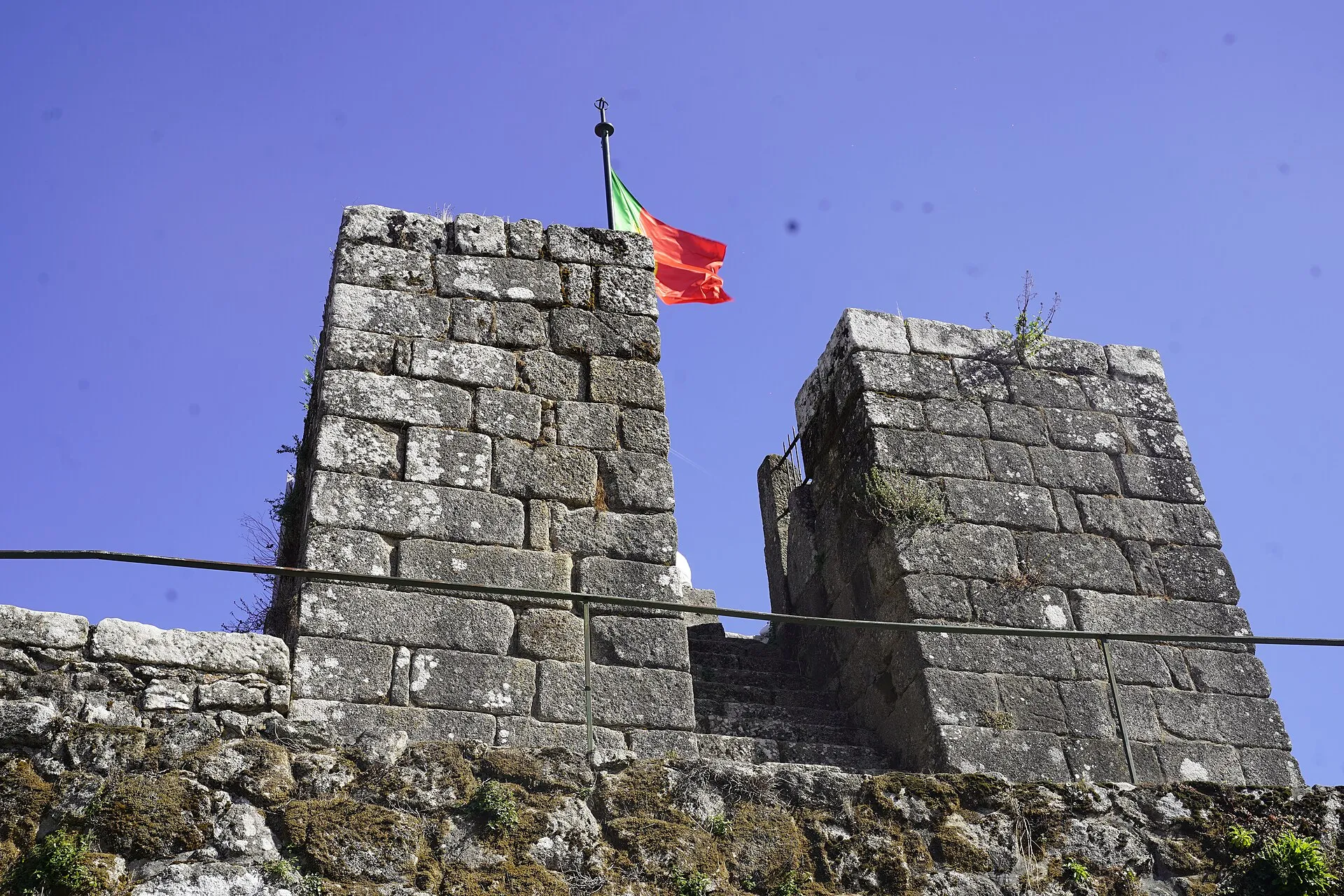
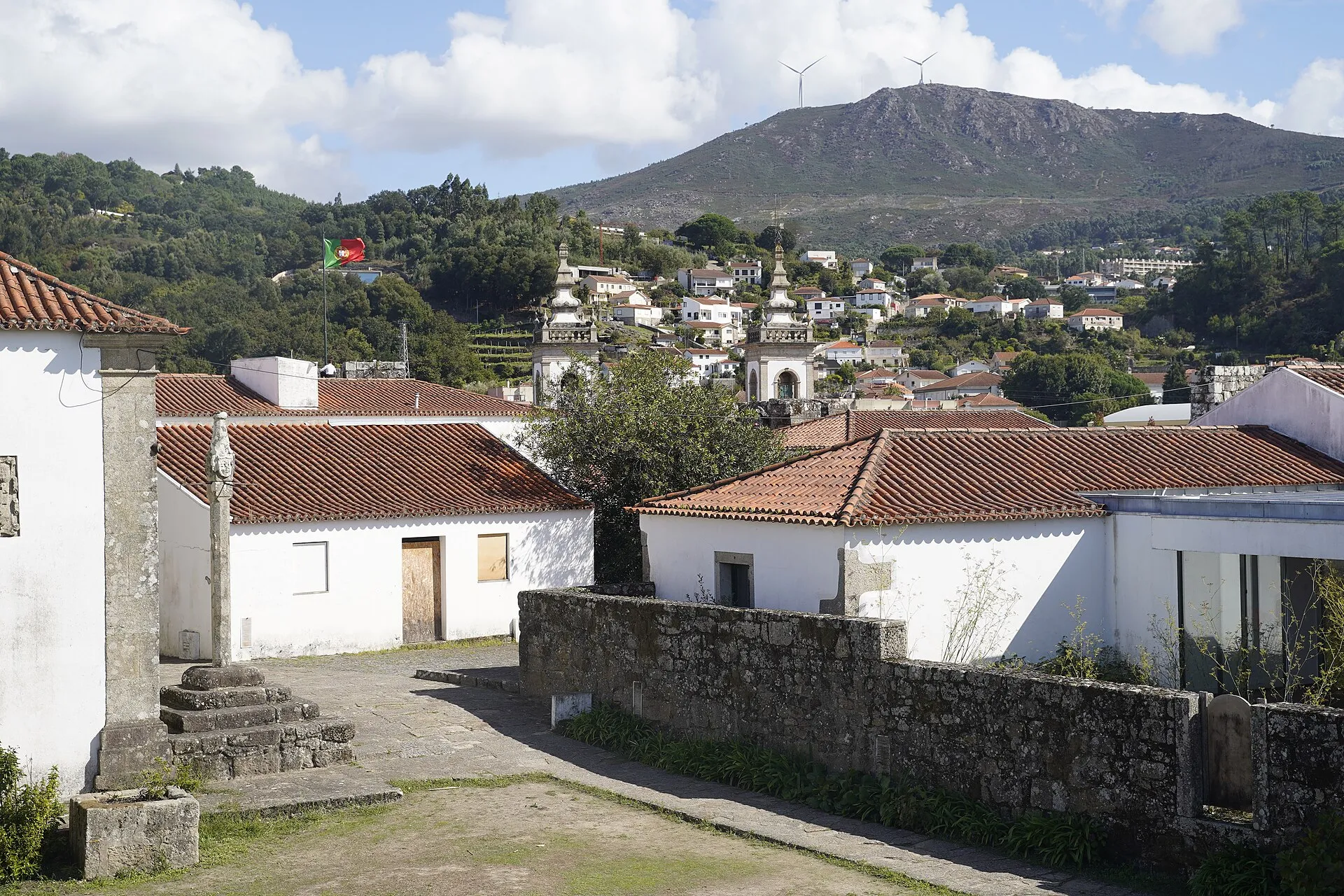
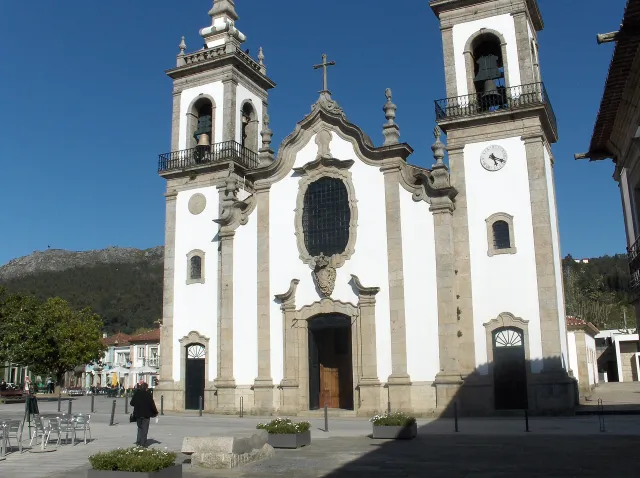
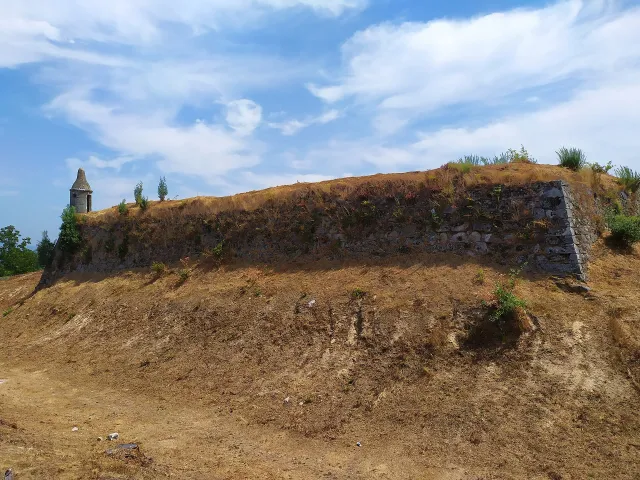
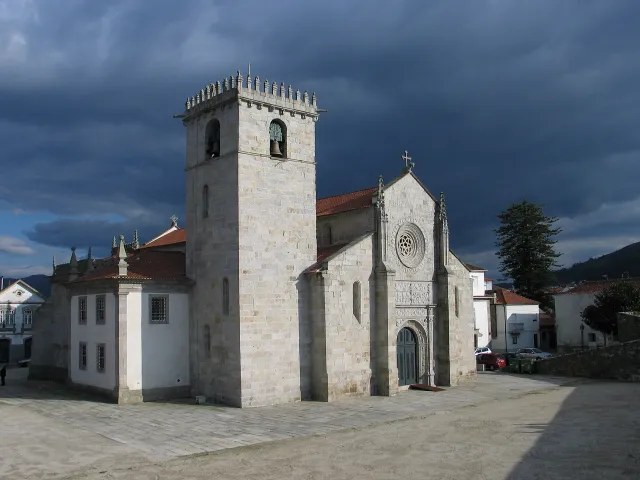
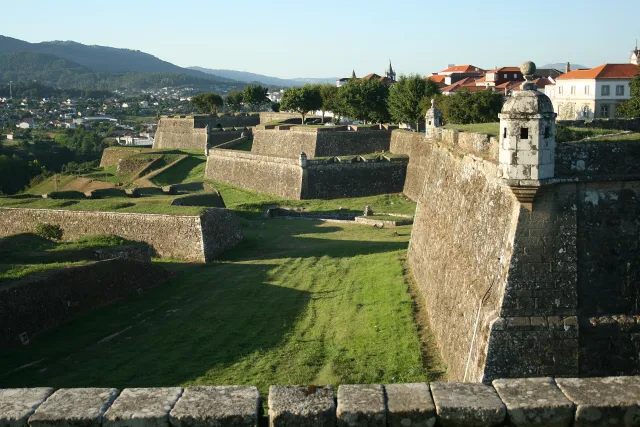
During the 1258 Inquirições (Inquiries) noted the obligations of the residents of Cerveira and its surrounding parishes. Carlos Alberto Ferreira de Almeida indicated that the castle of Cerveira, was already known in the 13th century as the vila nova (new town), owing to the original Cerveira being situated in the mountains (possibly over the hilltop of Espírito Santo, in Penafiel, parish of Roboreda), or in Cornes.
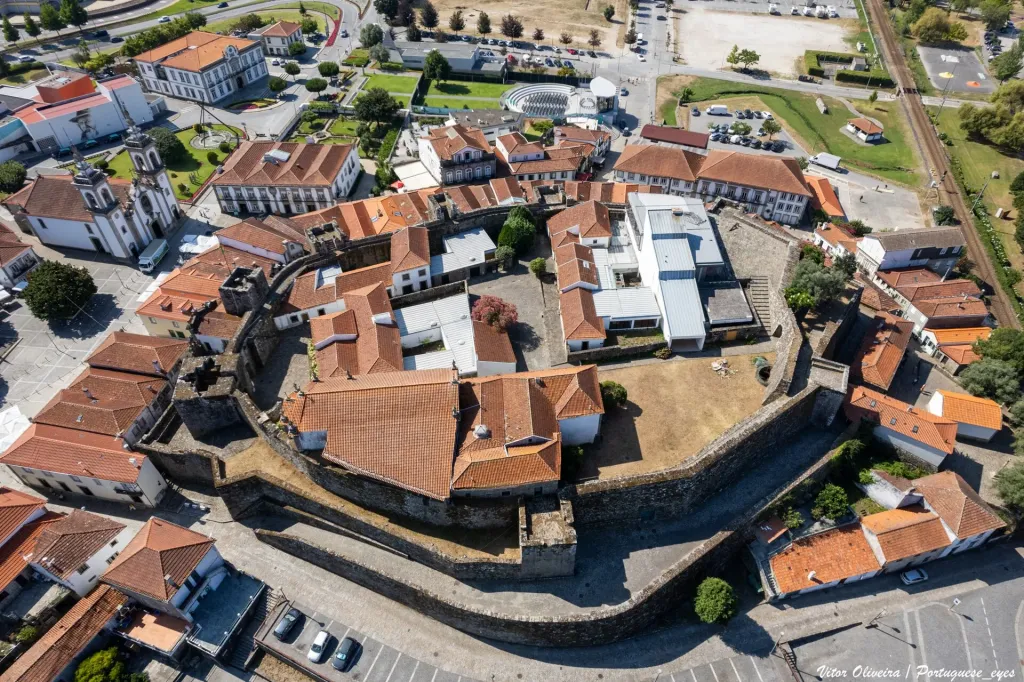
In 1320, King D. Dinis ordered that the settlement be colonized. To this end, the King issued a foral (charter), with one-third of the supported payments be used for the conservation of the castle. The courtyard, limited by the walls was too small for the 100 homes that King D. Dinis expected to settlement the village; ultimately, he accepted the construction of a settlement that was constructed outside the walls. The design if Duarte d'Armas, in his Livro das Fortalezas, indicates that at the beginning of the 16th century, the barrio outside the walls was more complete then those in the interior, including two religious buildings.
Following the outbreak of the Portuguese succession crisis, the castle alcalde and village remained loyal to Castile. In the spring of 1385, the Constable Nuno Alvares Pereira, after conquering the Castle of Neiva began a pilgrimage to Santiago de Compostela and stopped to rest in Vila Nova de Cerveira for the night.
Between the 14th and 15th century, the barbican was constructed under the reigns of King D. Fernando or King D. João I. King D. Afonso V (1438–1481) rewarded the exploits of D. Leonel de Lima, during the north Africa campaign by bestowing on him the title of 1st Viscount of Vila Nova de Cerveira (1476), and giving his possession of the lands of the village. Their successor, King D. Manuel reissued the orders to renovate the castle.

 1 / 7