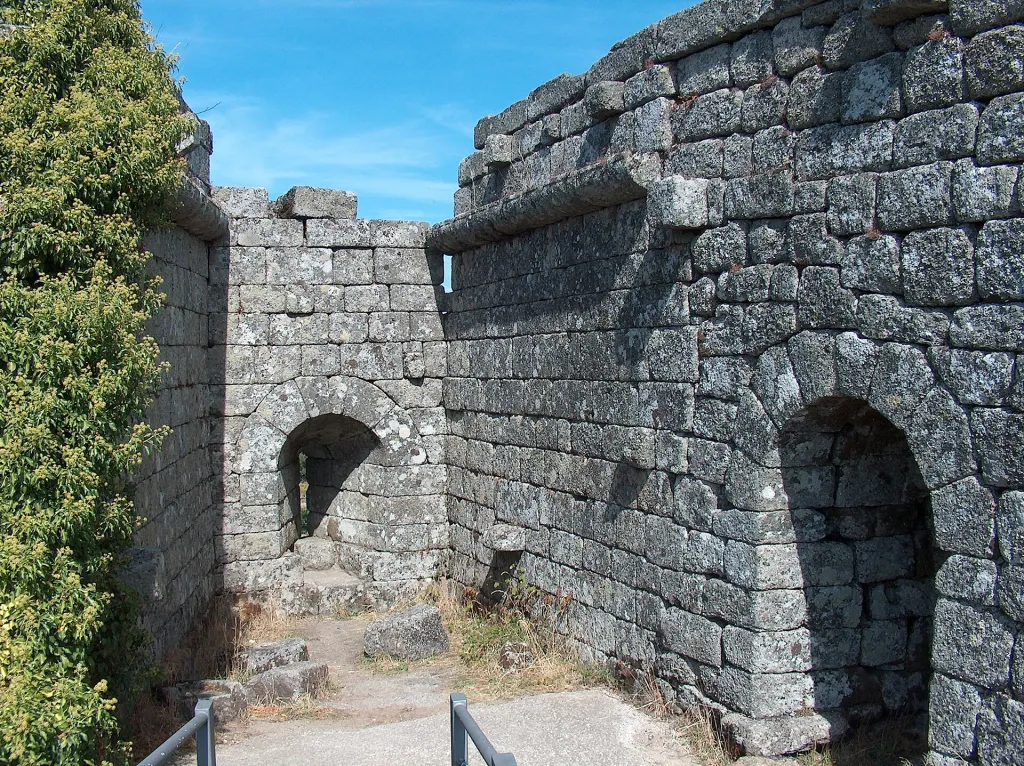
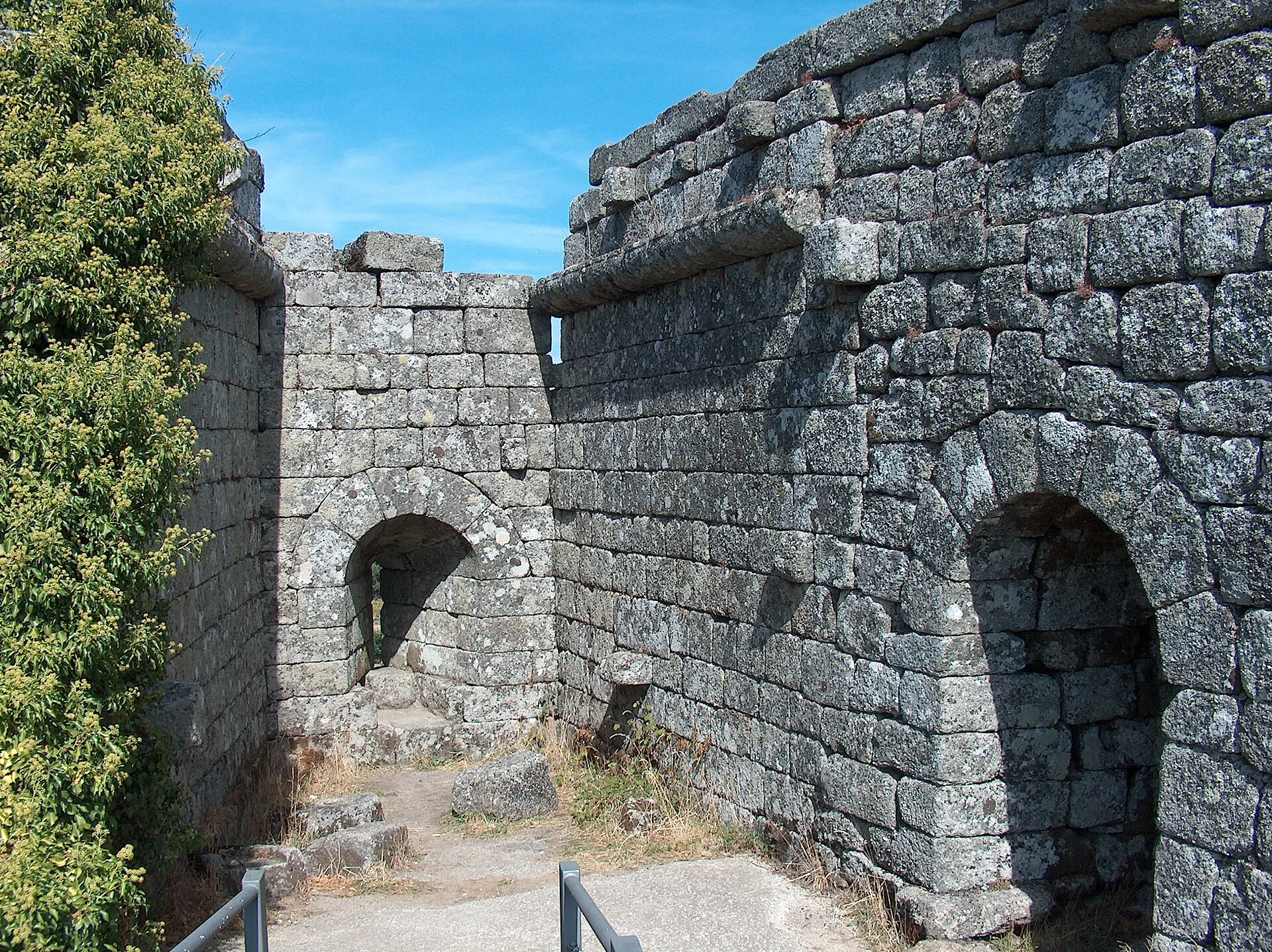
By the 11th century, following the Christian Reconquista of the territory, the Kings of León recovered and restructured the former Visigothic administrative center. There are references to the conquest of the region by troops of Ferdinand I of León. At that time the countships of the region were reestablished, resulting in the construction of fortified residences that served as shelters and residences for the masters of the land.
Between the beginning of the 12th century and 13th century, the castle of Aguiar was constructed, and likely completed during the reign of Sancho I. At this time, the "castle" was an important strategic point in the Terra de Aguiar (the nucleus of municipality of Vila Pouca de Aguiar) and inhabited by partisans of D. Afonso Henriques (1112–1185), later referenced in medieval Hagiography in Santa Senhorinha de Basto. For this reason, the region was invaded and the Castle of Aguiar besieged by Leonese forces, that were charged with bringing the region to heal or imprisoning the supporters of Afonso Henriques. An important event in the independence of Portugal, it was D. Gonçalo Mendes de Sousas, master of the dominions of Aguair and Panóis, and man-at-arms of the nascent King who quickly hastened to give aid to the forces at Pena de Aguiar.
Later, during the reign of King D. Afonso III (1248–1279), the parish of Telões received its first Carta de Foral (Foral charter) on 10 July 1255. At this time, though, the fortification had already begun to lose its strategic importance, and following 1258, the population began to gradually abandon the maintenance of the defensive line.
At the end of the 14th century, there were works completed in the barbican and the embrasure hall; it is unclear whether the public works were destined to the castle's consolidation or from repairs.