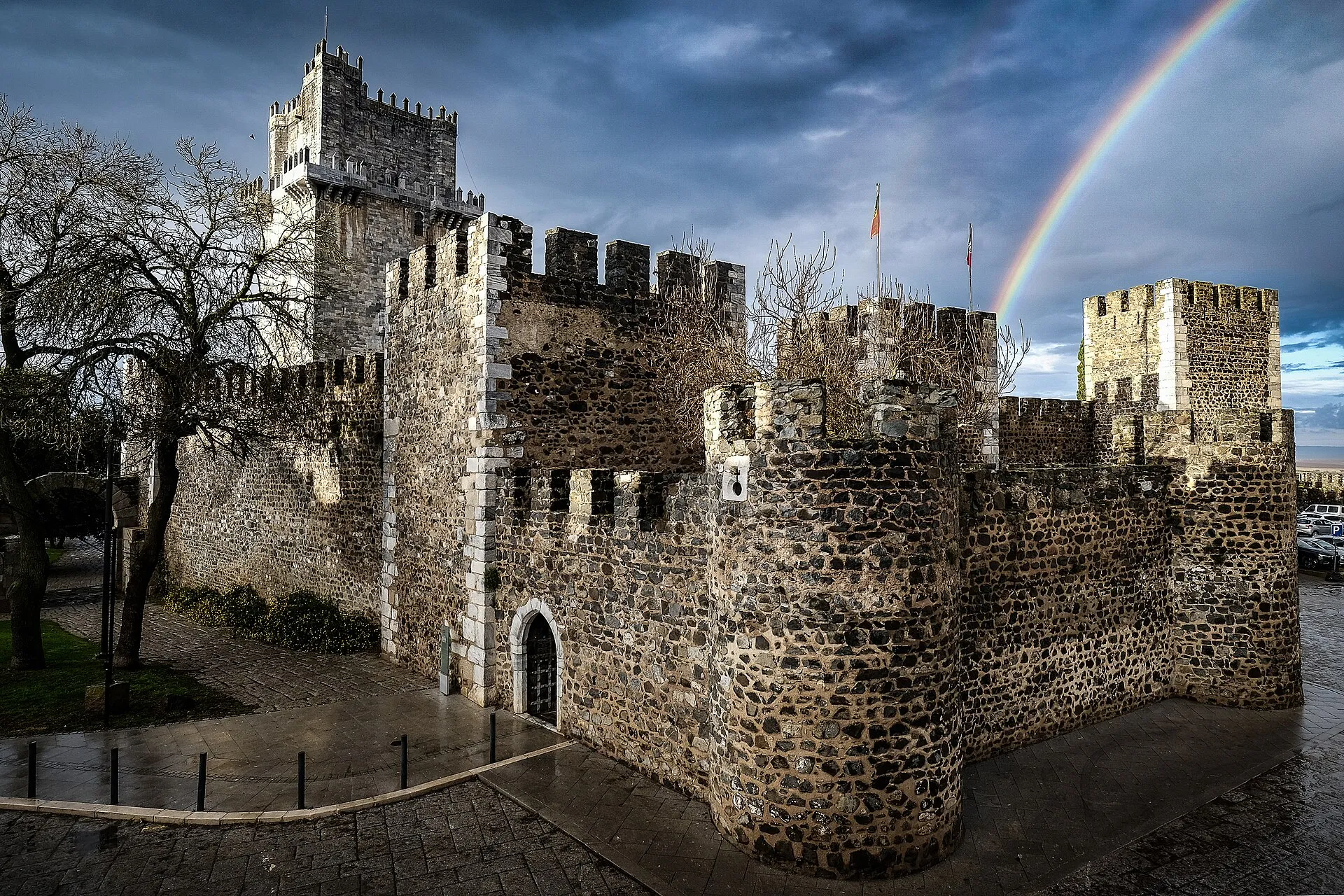
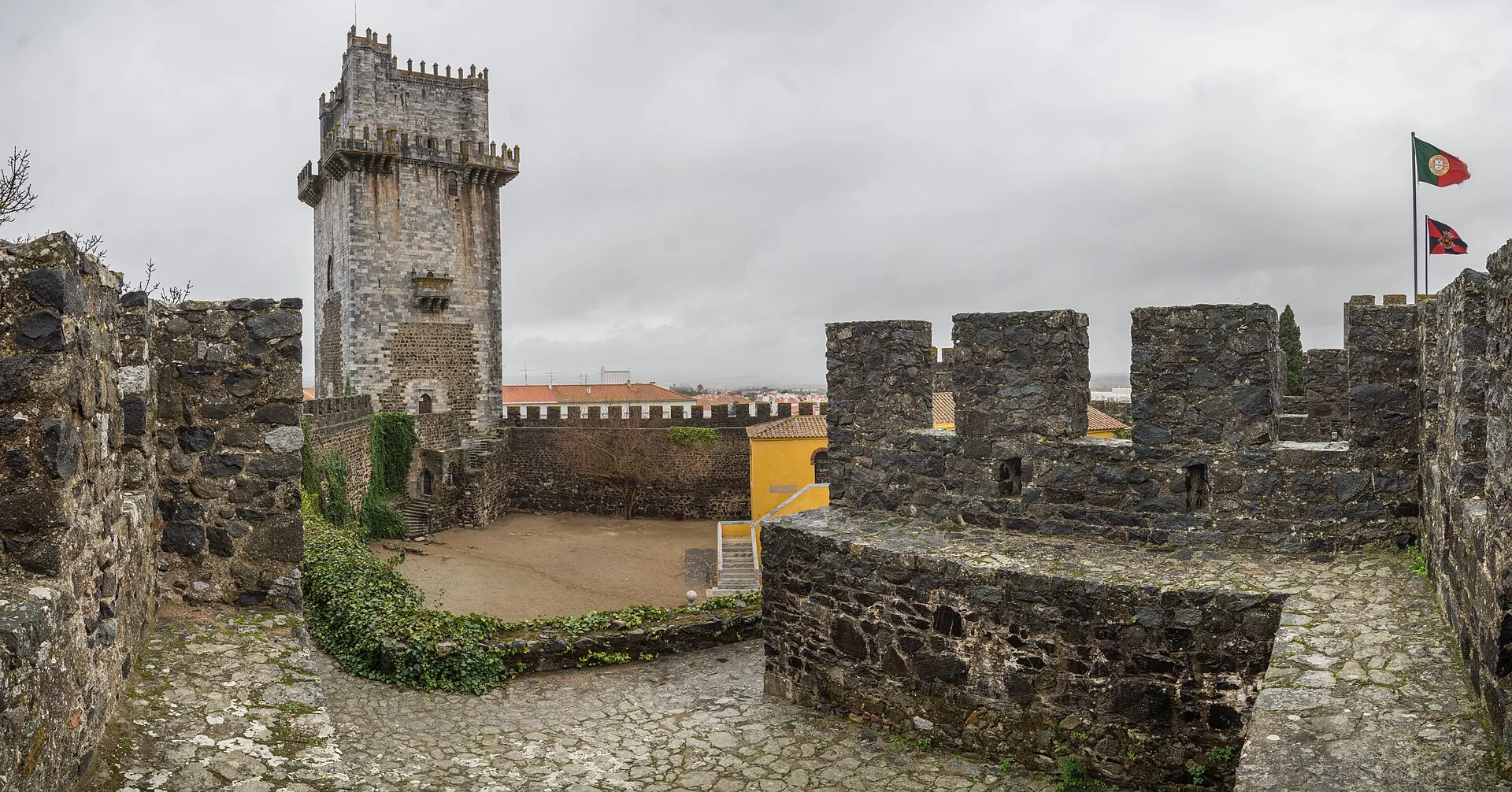
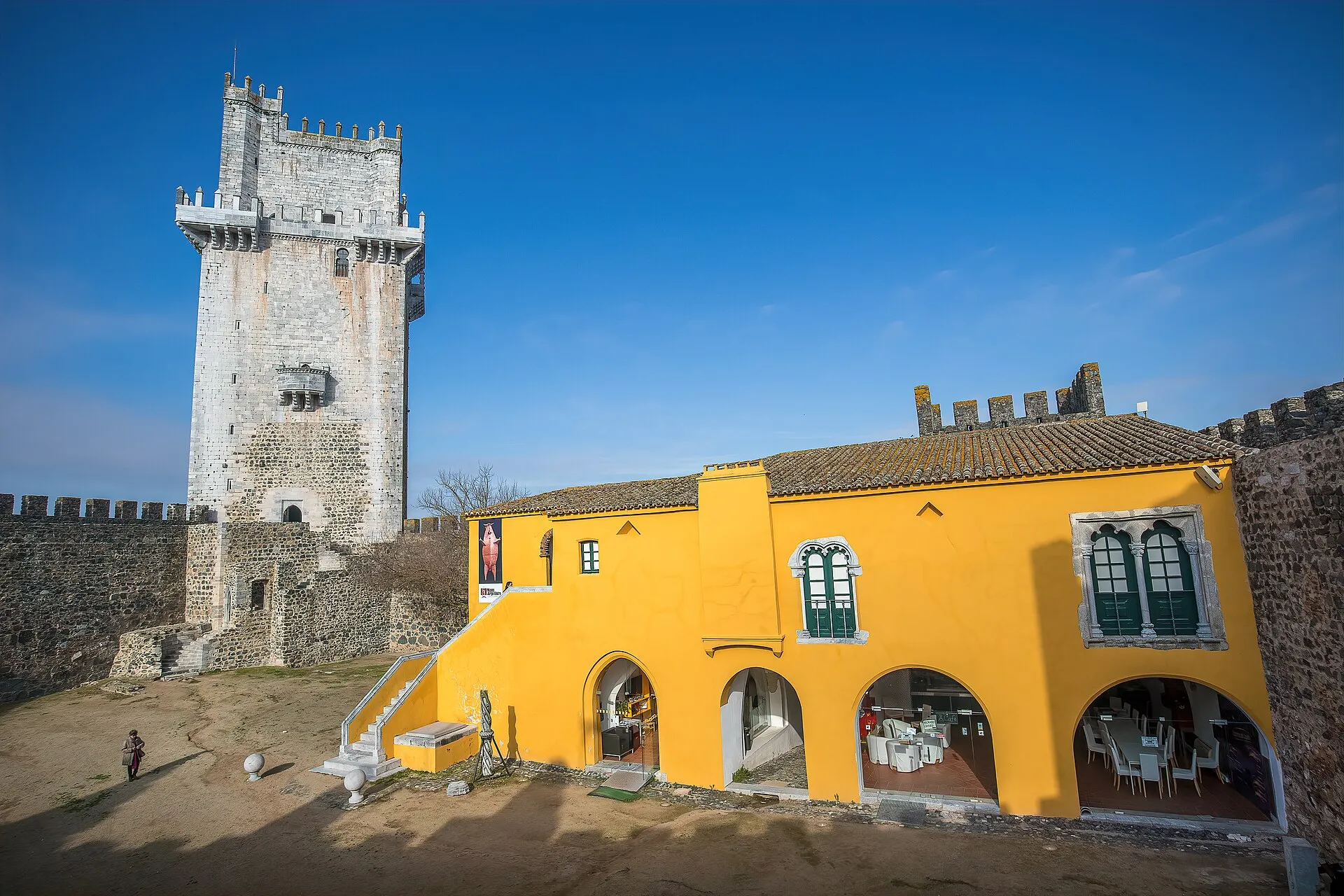
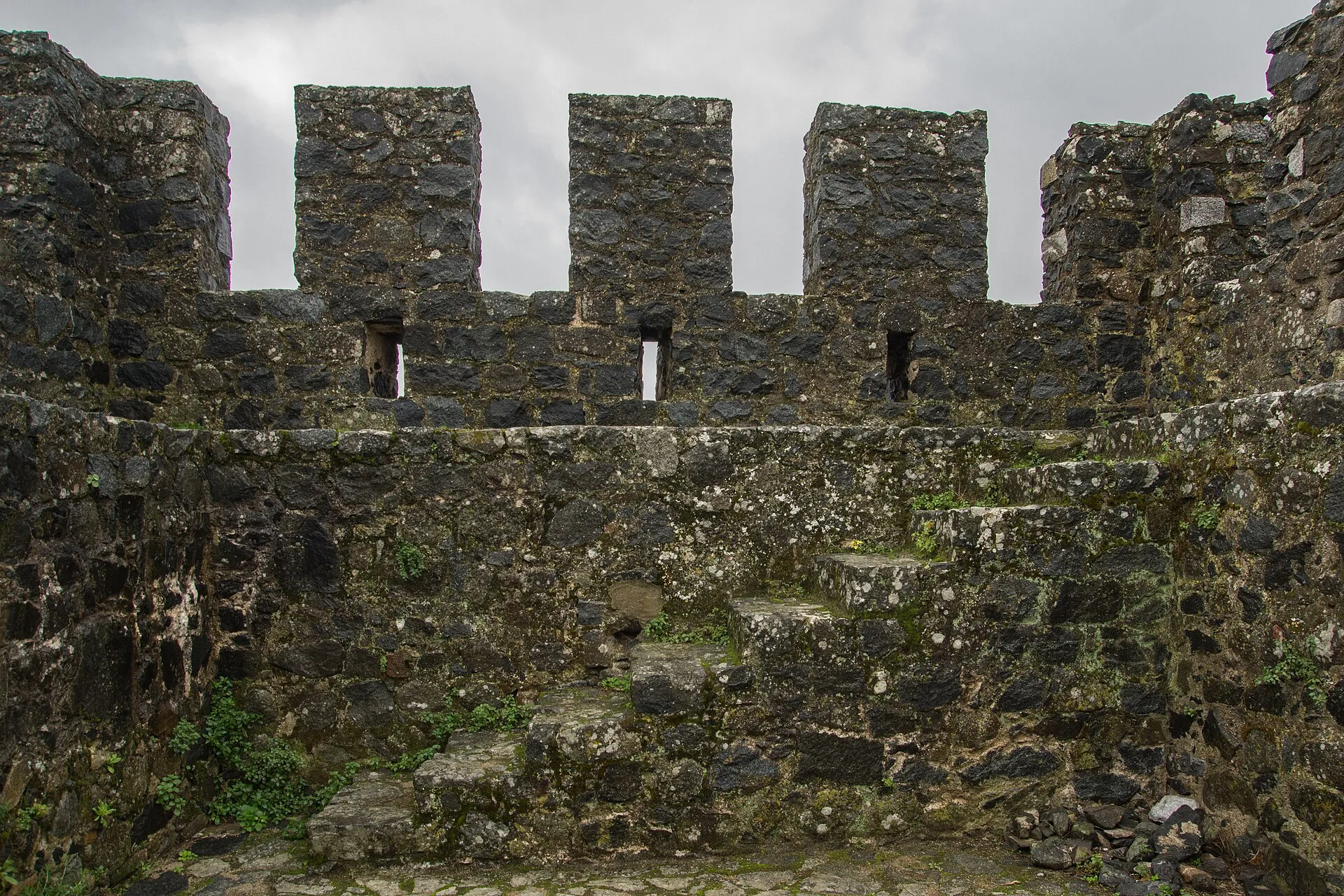
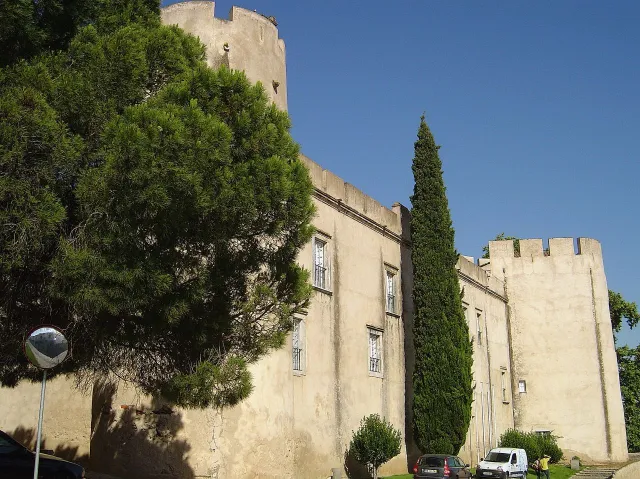
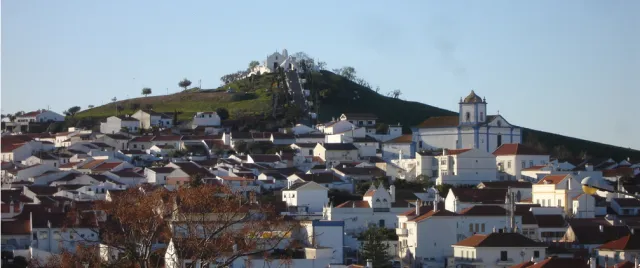
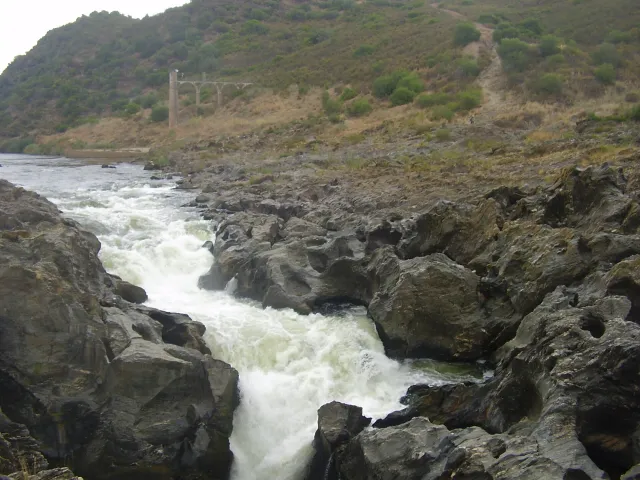
During the Reconquista from the Moors, the region was first conquered in 1159 by the forces of King Afonso Henriques (1112-1185), but it was abandoned four months later by his forces.
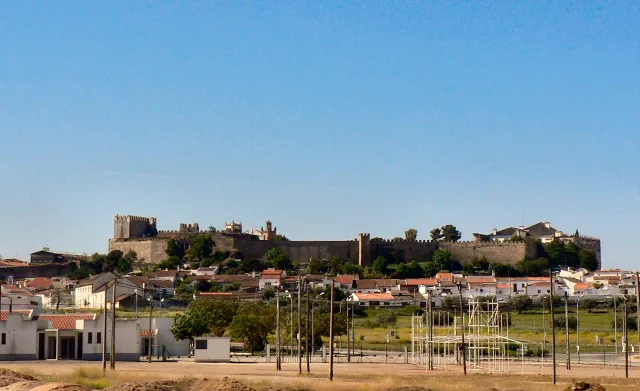
In 1253, King D. Afonso III began work on reconstructing the fortress, which was already a severe stage of degradation. A foral (charter) was issued to Beja in 1254.
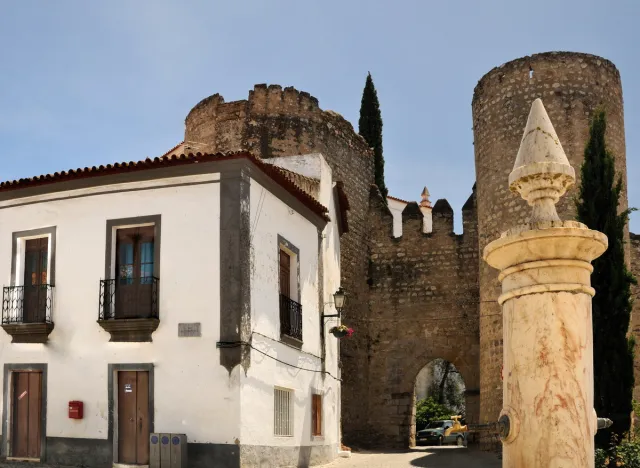
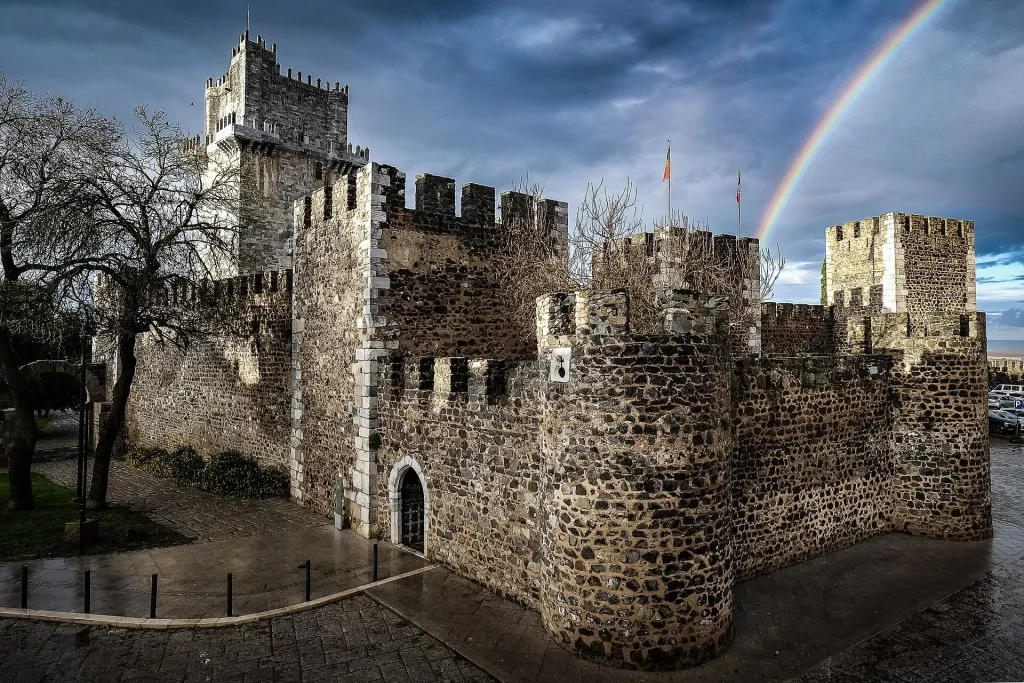
Around 1307, a tower was constructed along the wall, as indicated in an inscription carved into decorated ashlar masonry, in the form of a Portuguese shield, and dating to the Visigoth occupation.
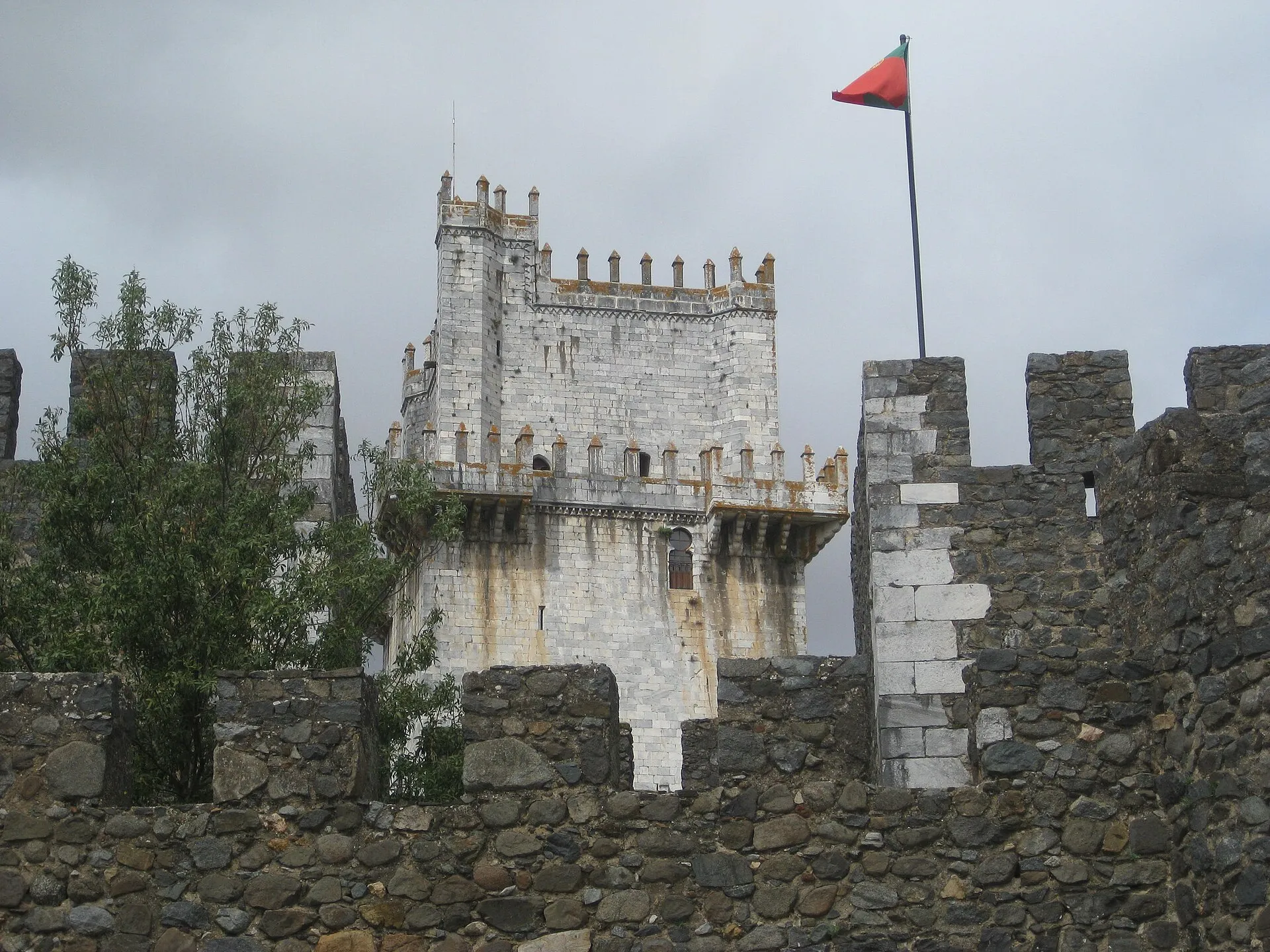
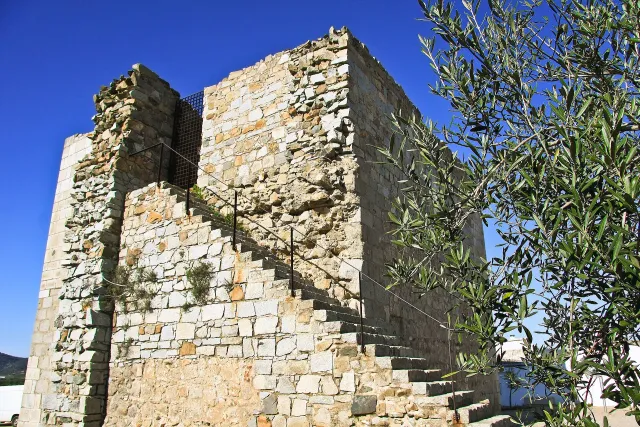
King D. Dinis ordered the construction of the keep tower in 1310, following the issue of new charter. Work on the walls proceed from 1347, under the overseer João Domingues de Beja and Afonso Mendes (from an inscription).
The village supported the King John I during 1383-1385 Portuguese succession crisis.
At the beginning of the 16th century, King D. Manuel I began a project to improve the fortification, that possibly included the construction of the vaulted ceiling in the keep tower. During this time, a second larger gate was constructed between the Roman arch (which had disappeared) and the Hospital of Misericórdia. A project to reinforce the bastions was initiated in 1664 by Nicolau de Langres, approved by Luís Serrão Pimentel (Royal engineer and cosmographer) and General Agostinho de Andrade Freire. Between 1669 and 1679, the endeavour was supervised by engineers João Coutinho, Diogo de Brito de Castanheda and Manuel Almeida Falcão.
In 1790, part of the fortifications were demolished in order to construct the new church of the (extinct) Colégio dos Jesuítas, for the Episcopal See.
In the early nineteenth century, following the outbreak of the Peninsular Wars, the city of Beja opposed Napoleonic troops, and as a result, the forces under the command of General Jean-Andoche Junot in 1808, killed about 1,200 people in the region.

 1 / 7