In 412, the settlement was settled by the Alans. It was taken in 716 by Muslim forces.
In the 11th century, the settlement was part of the possessions of the Count of Coimbra, Sesnando Davides.
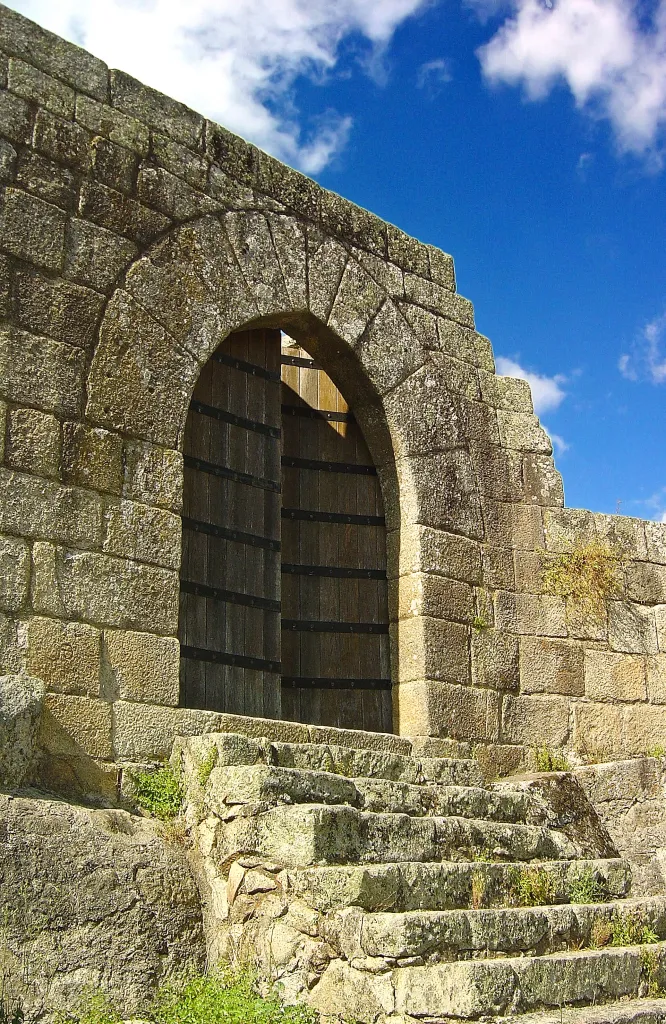
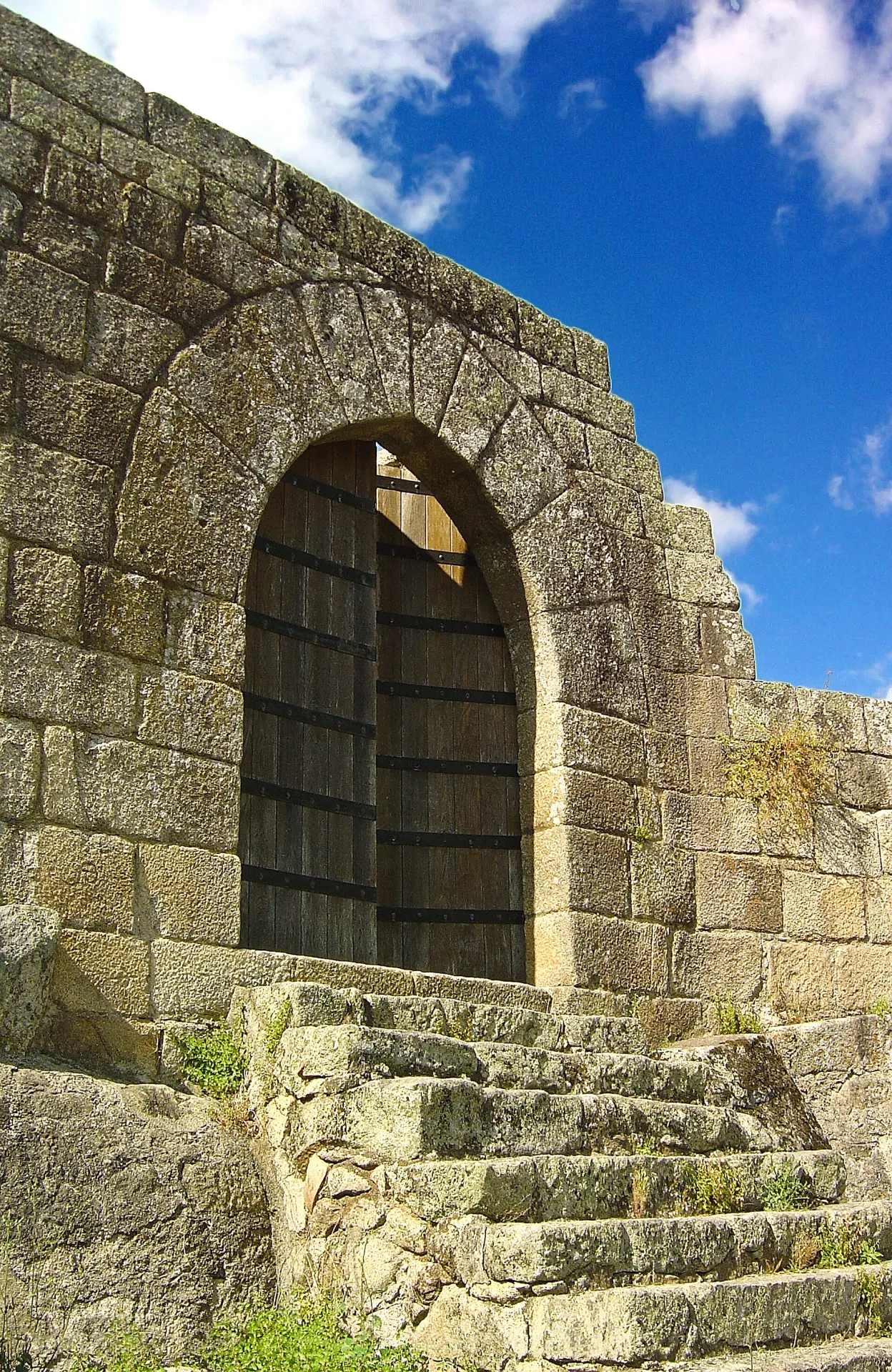
D. Henrique donated Avô to the Bishop of Coimbra in the 12th century. It was likely his son, D. Afonso Henriques who ordered to construction of the first medieval fortress over the ruins of the Roman settlement. By 1187, the town pertained to D. Urraca Afonso, illegitimate daughter of Afonso Henriques, who traded it for Aveiro, from her brother D. Sancho I. It was King Sancho who conceded the foral (charter), confirming it in the hands of the Bishop of Coimbra.
In the 13th century, the castle was destroyed during battles between D. Sancho II and Afonso III.
A century later, it was reconstructed by King D. Dinis (from the vestiges uncovered on the site).
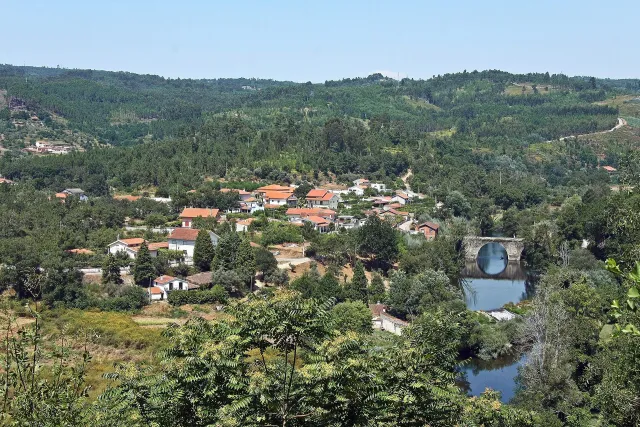
From 1856, the castle ruins began to deteriorate rapidly, with much of the stone reused in public works, including the construction of the bridge crossing the Ribeira de Moura. The keep tower was ultimately disassembled.
On 1 June 1992, the property was placed in the hands of the Instituto Português do Património Arquitetónico (Portuguese Institute of Architectural Patrimony), by decree 106F/92 (Diário da República, Série 1A, 126).
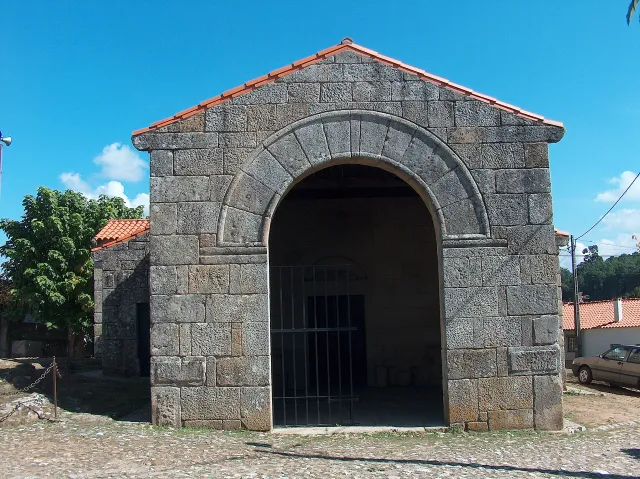
The first attempts to stabilize and recuperate the existing walls began in 1942, and persisted off-and-on to 1963. In 1966, repairs began on the wall alongside the chapel and repairs its pavement and walls, which continued in the chapel, the following year.
In 1972, survey of the primitive soil, reconstruction of the pavement, chapel altar and the windows.