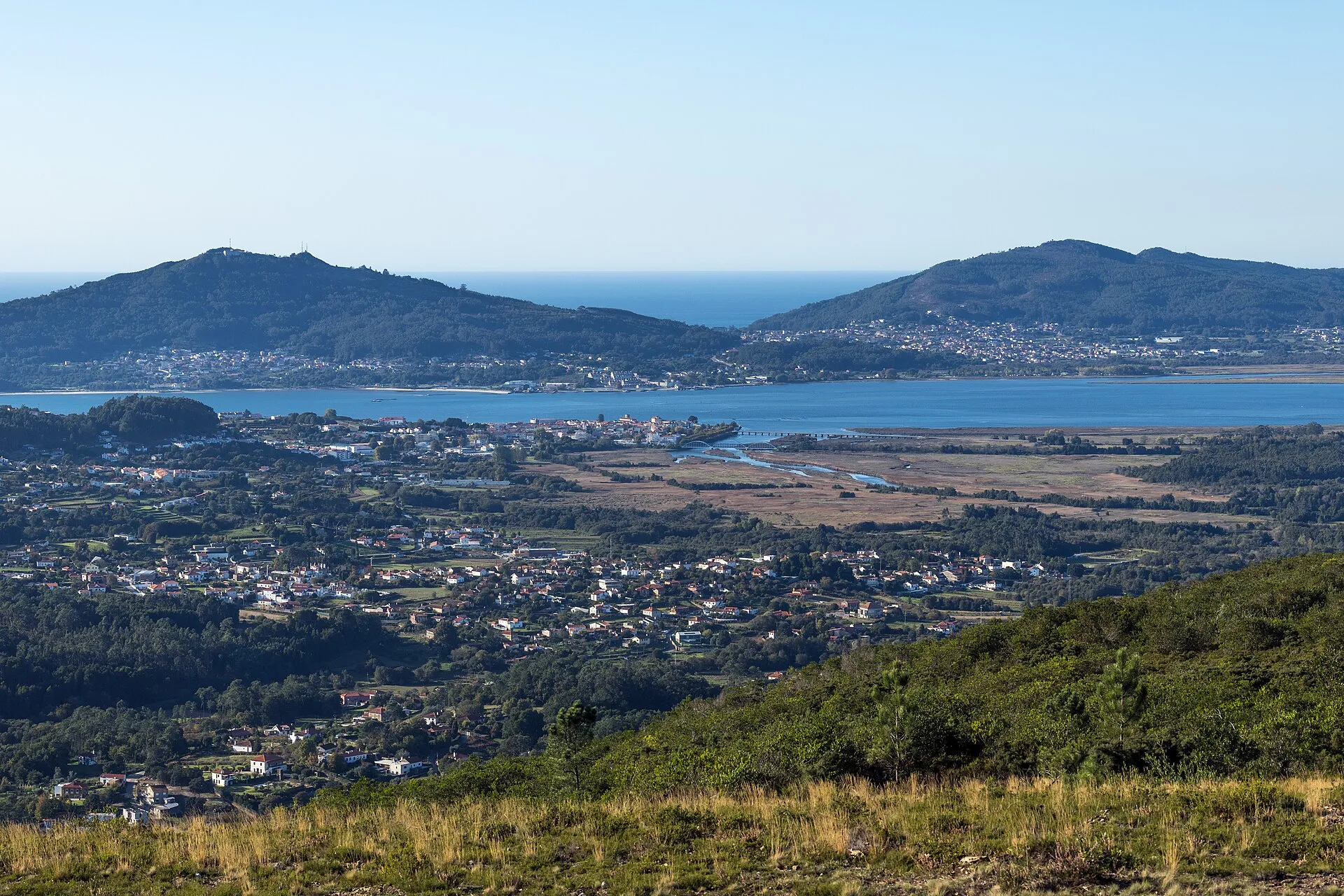
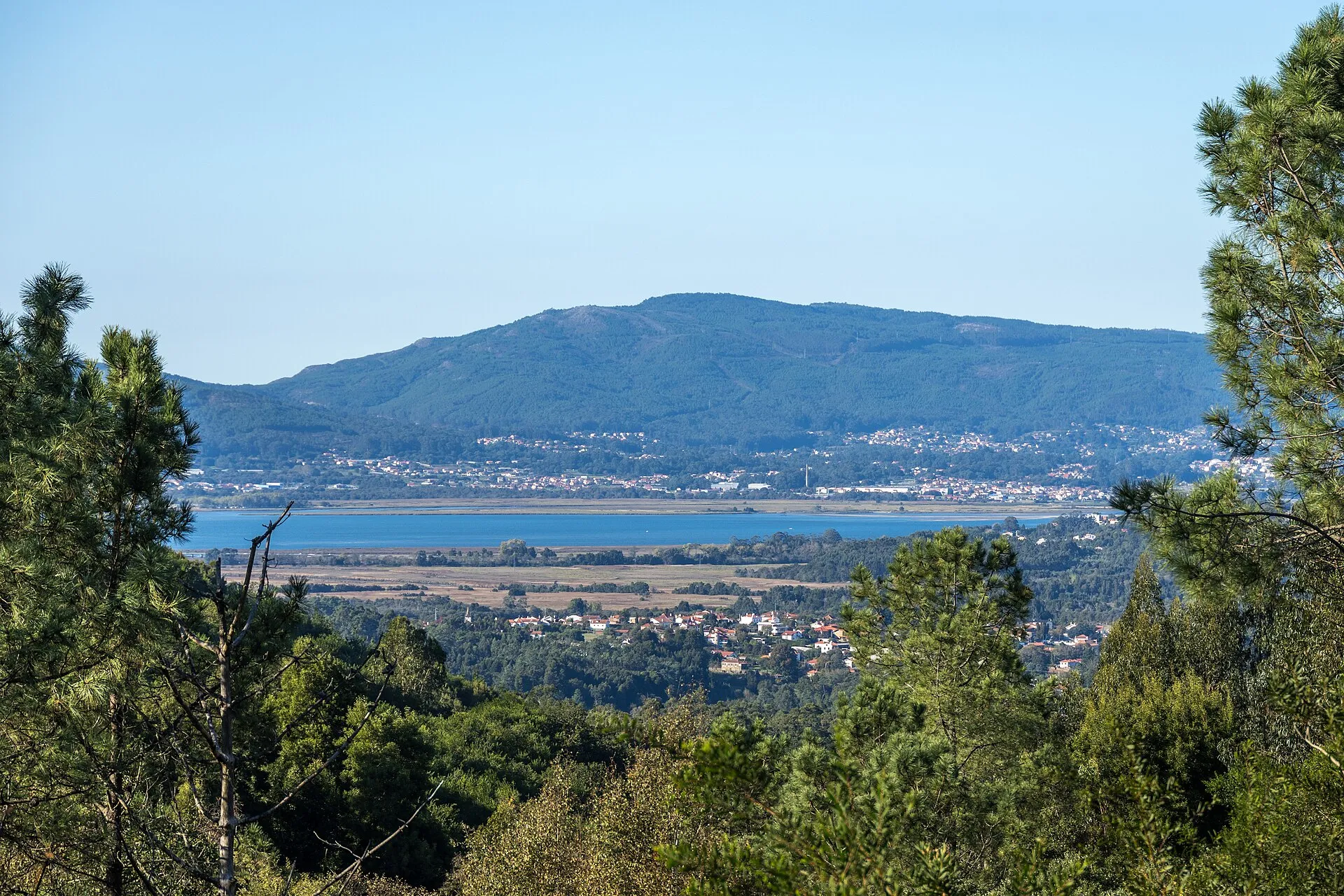
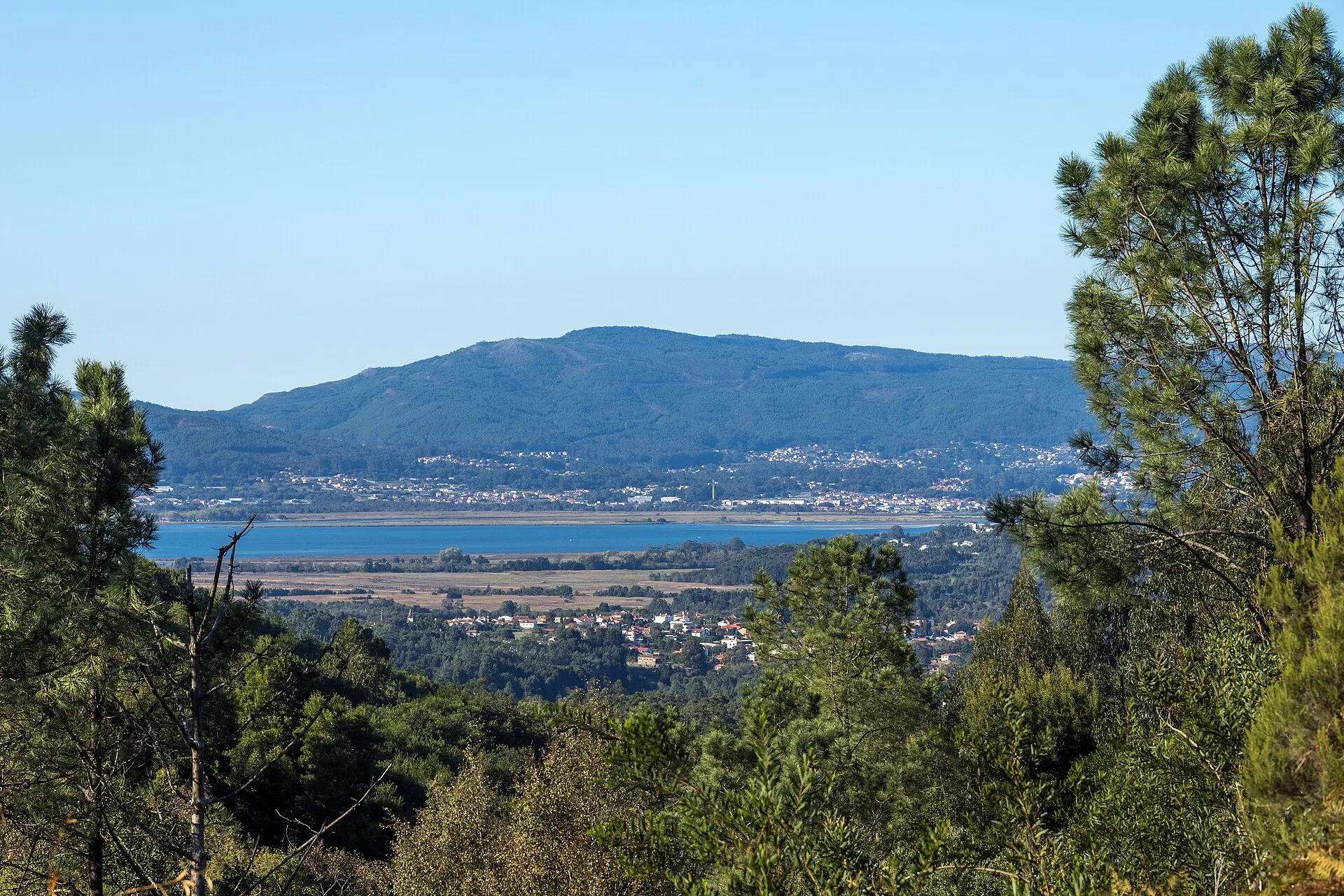
The present Mayor is Rui Lages from the Socialist Party. The municipal holiday is Easter Monday.
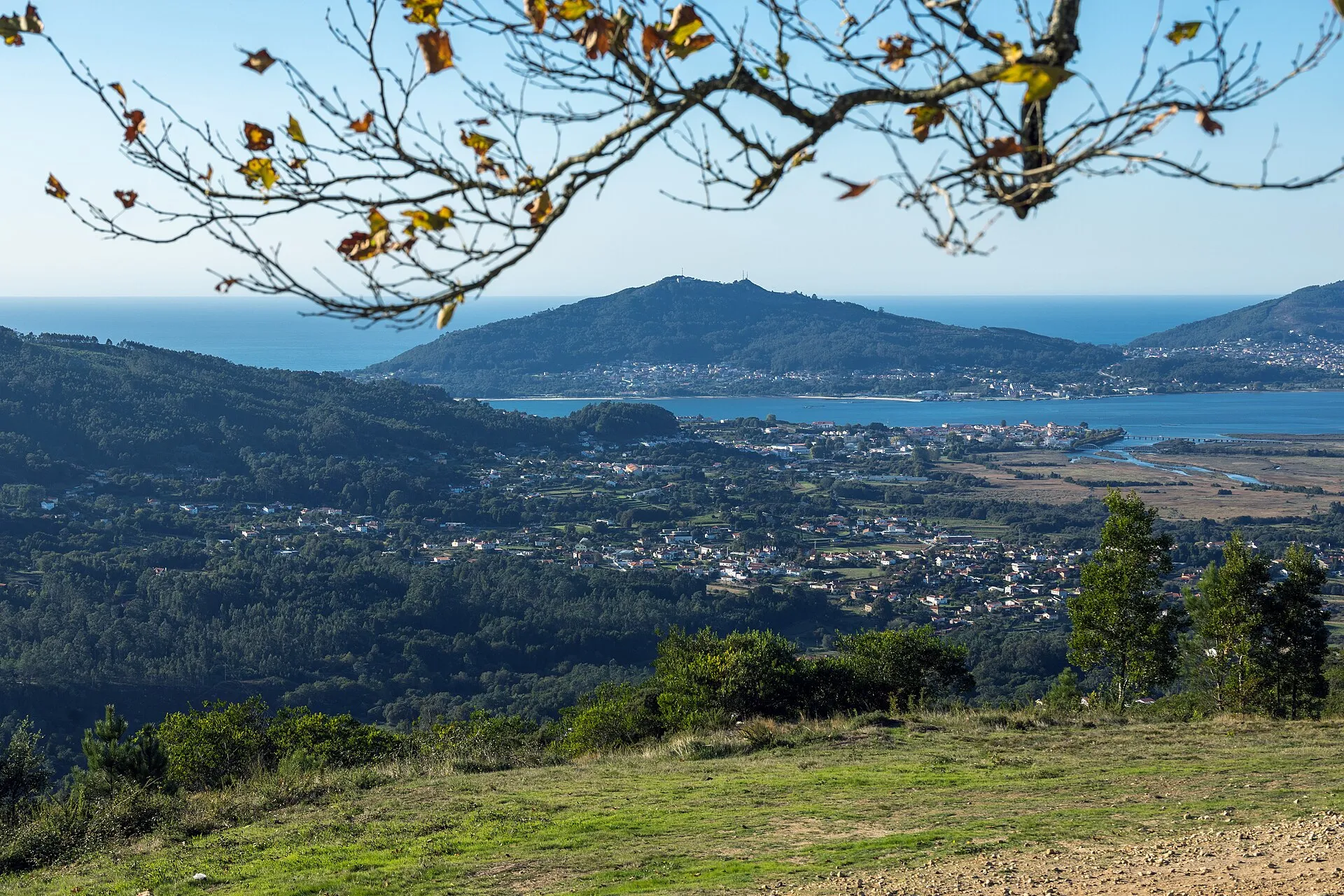
Despite Strabo's reference to Phoenician docks in the mouth of the Minho, no further evidence was found. An islet at the confluence of the Minho and Coura, now connected to the mainland, was the site of a small military settlement in Roman Gallaecia. Caminha was called Camenae or Camina during the period of Sueve dominationas part of the Kingdom of Galicia in the 5th century.
The area was depopulated due to Arab and Norman raids, and slowly reoccupied after the 10th century. Around 1060, during the reign of Ferdinand I of León, Caminha was the seat of the Caput Mini county and it is known that a castle existed in the area.
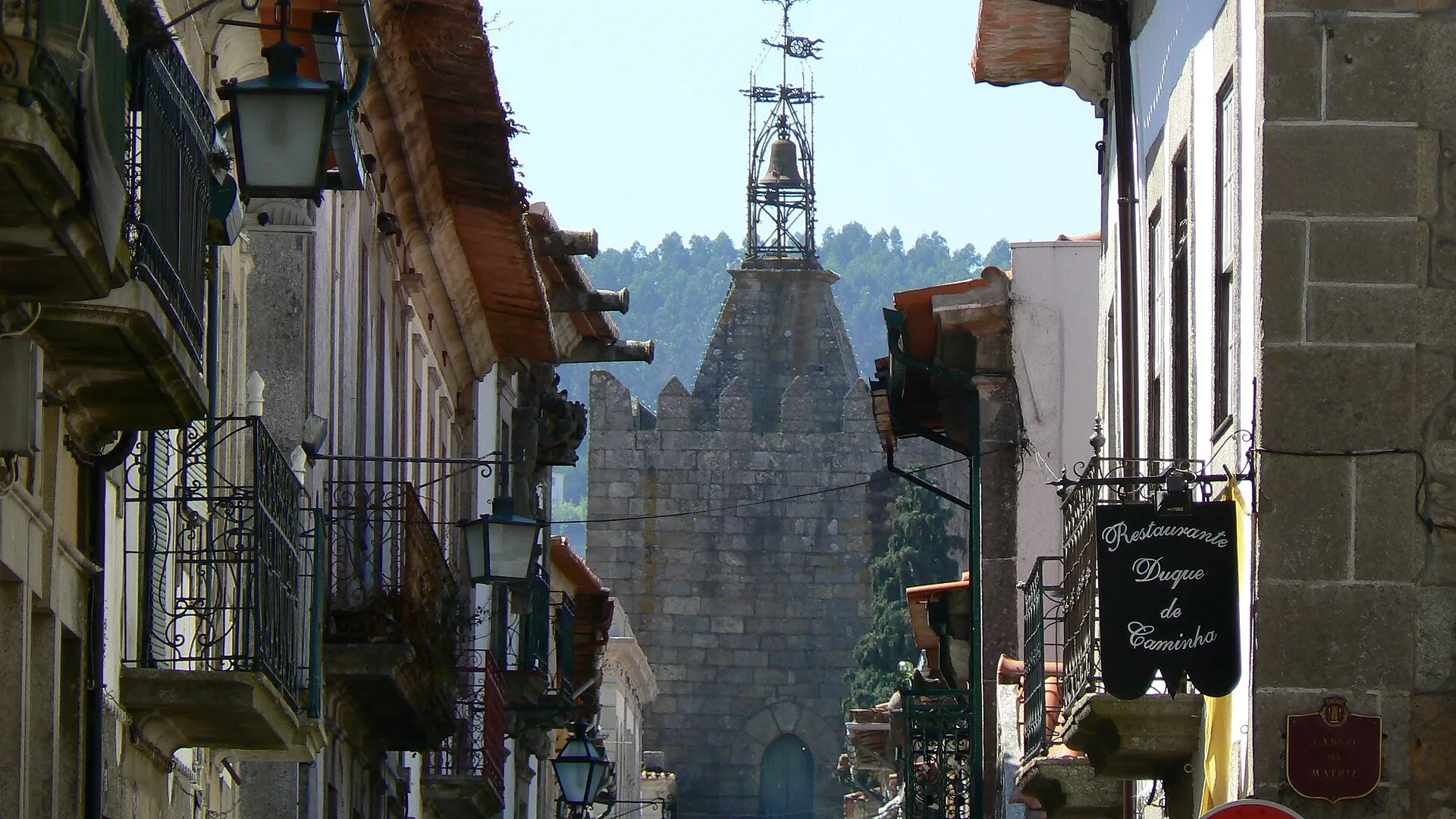
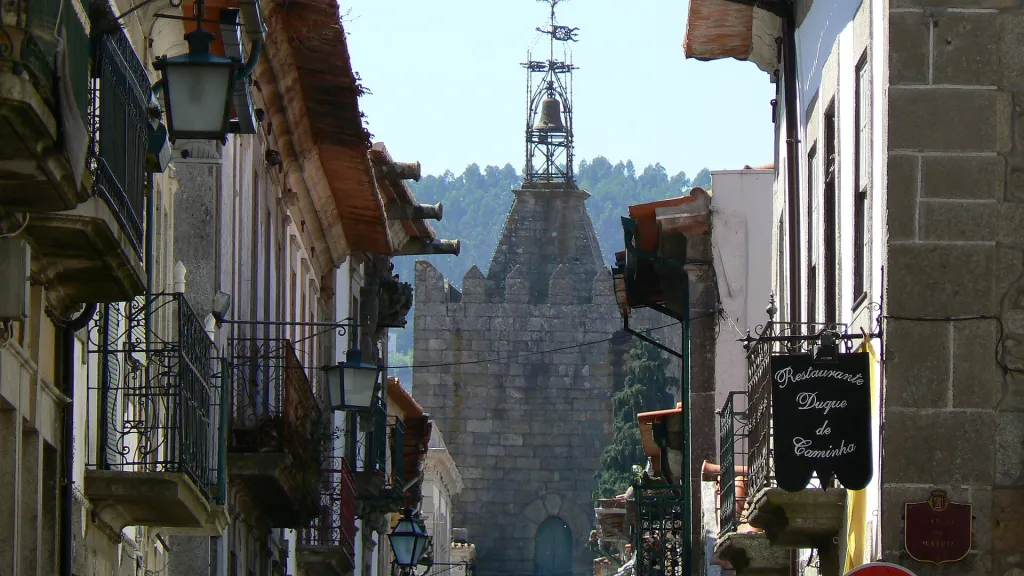
In the 13th century, Caminha was just a fishing village until King Afonso III decided to build a modern castle and a fortified village following the bastide model, finished in 1260. At that time, the region was of great military importance, since it was located at the border with Galicia. The castle was later reinforced by Kings Dinis I, when reclaimed land finally connected the original island to the shore, and Ferdinand I. Although most of the walls and towers were torn down or built over, the oval shape of the castle is still clearly visible in the design of some streets, and the keep tower is still intact and serves as entrance to the historical centre. The pinewood of Camarido, stabilizing the sandbars at the mouth of the Minho, was another important initiative of Dinis I.
Caminha received its first royal charter (foral) from Dinis I in 1284. Caminha belonged to the crown until King Ferdinand I established in 1371 the County of Caminha, whose first count was Álvaro Pires de Castro. In 1390, King John I granted much freedom to the town (creating a póvoa marítima), leading maritime commerce to flourish. In the 15th and 16th centuries, it became one of the main ports in Northern Portugal, trading extensively with Northern Europe, Africa and India.

 1 / 7