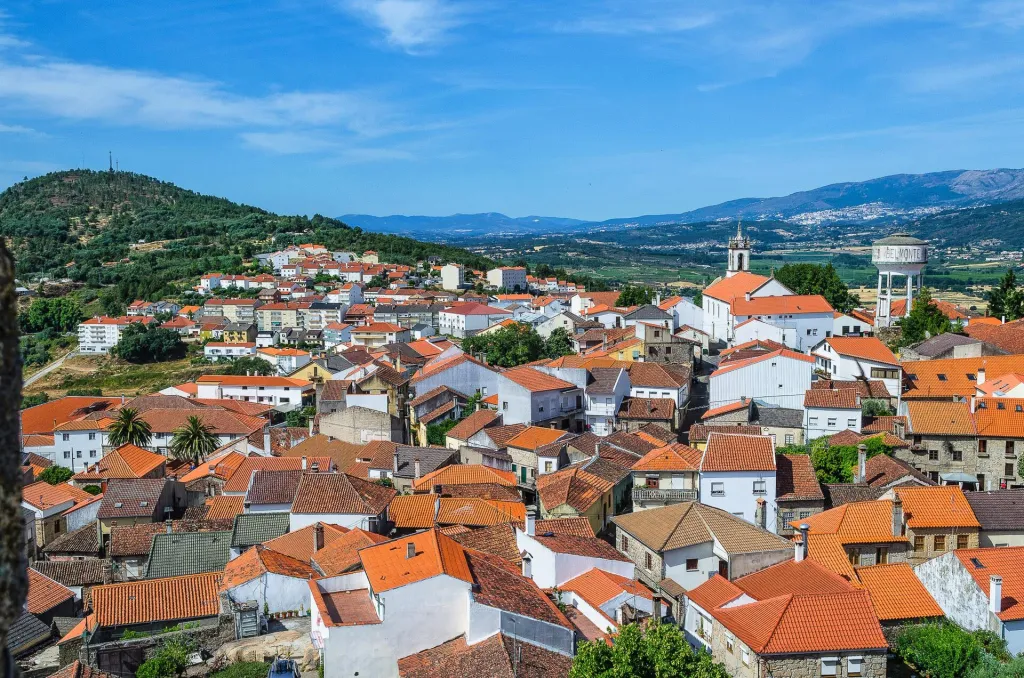
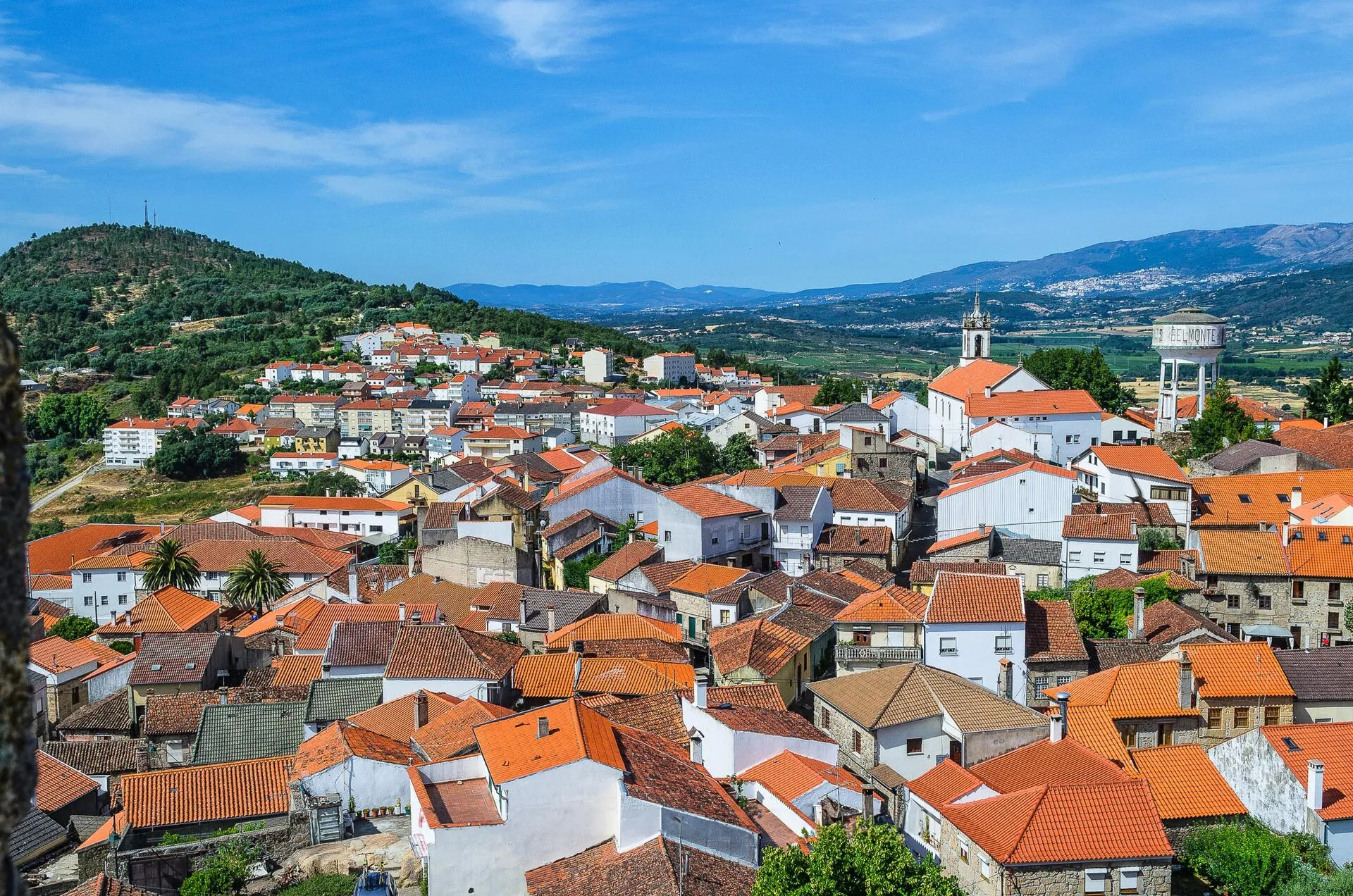
Archaeological findings indicate that Belmonte's lands have been occupied since prehistoric times, with notable megalithic sites in the parishes of Inguias and Caria dating back approximately 6,000 years. Ancient fortified settlements (castros) existed in the mountains around Belmonte, such as the Castro of Chandeirinha in the mountain range of Senhora da Esperança.
During the Roman era, Belmonte's mineral and agricultural wealth attracted settlers. They established roads to Belmonte and constructed sites like Quinta da Fornea in the parish of Belmonte and the monumental Centum Cellas in Colmeal da Torre.
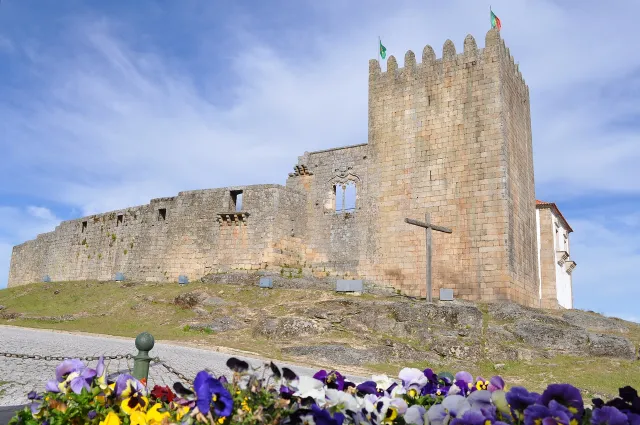
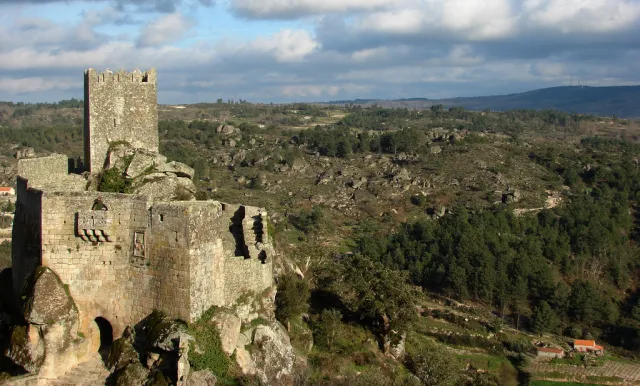
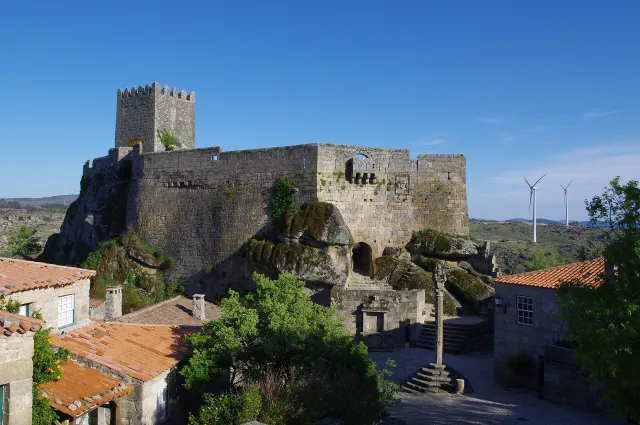
Belmonte was established as a municipality in 1199, when it received its first charter (foral) from King Sancho I and the Bishop of Coimbra. This charter aimed to populate the region, establishing Belmonte under Portuguese political control.Toward the end of the 12th century, the Belmonte Castle was built on Monte da Esperança, in the town of Belmonte. Together with the castles of Sortelha and Vila do Touro, Belmonte Castle formed part of the defensive line along Alto Côa, leveraging the natural barriers of the Serra da Estrela and Zêzere Valley to defend against invasions from León and Castile.
By the 13th century, Belmonte had developed into a thriving town with a significant population of both Christians and Jews, as reflected in the presence of two churches, Santiago and Santa Maria, and a synagogue. The Jewish community likely lived in the area now known as Bairro de Marrocos and it prospered through trade. In 1492, Spain's expulsion of Jews may have contributed to a Jewish population growth. However, in 1496, King Manuel I decreed the forced conversion of Jews in Portugal, which led to the formation of a crypto-Jewish community in Belmonte.