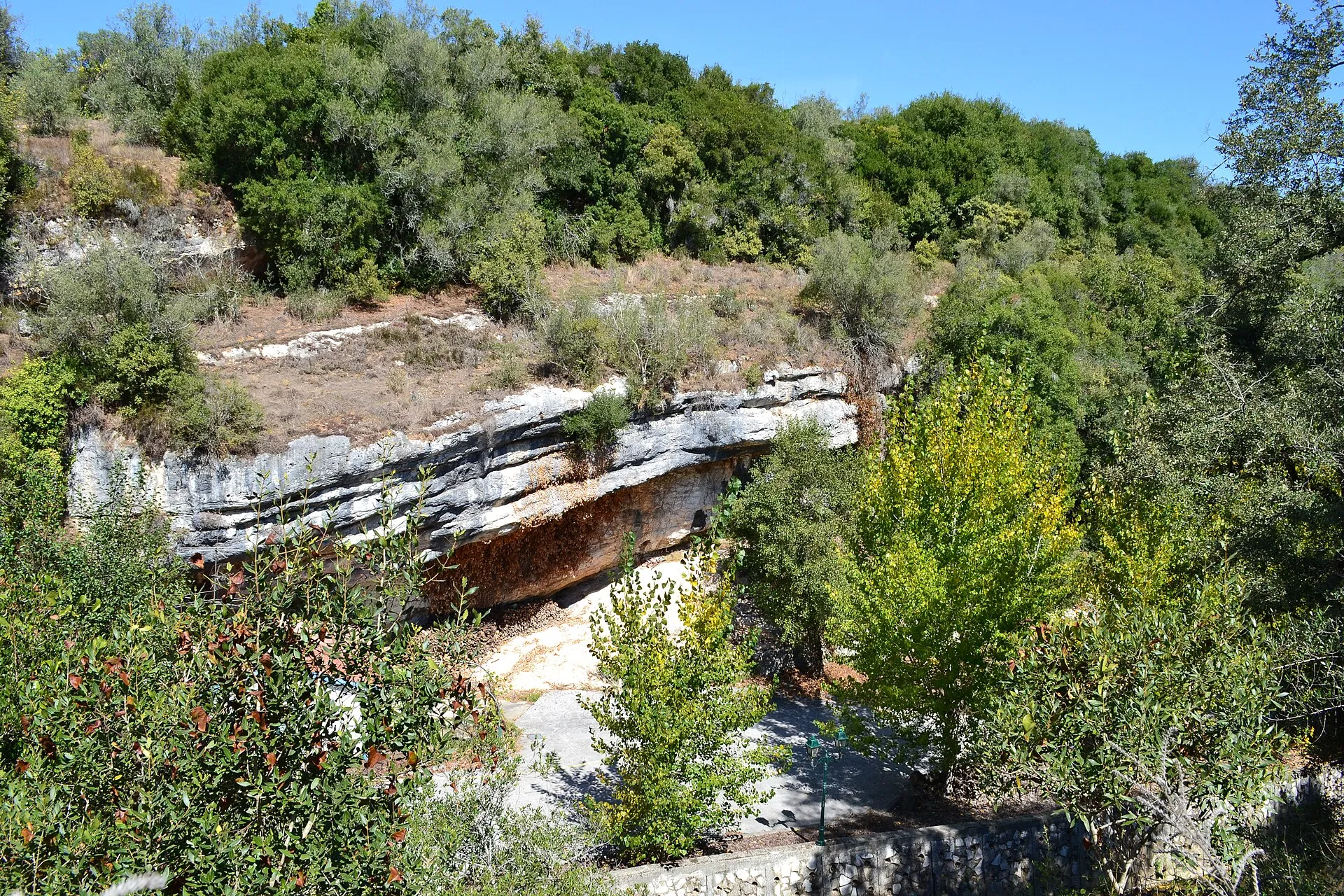
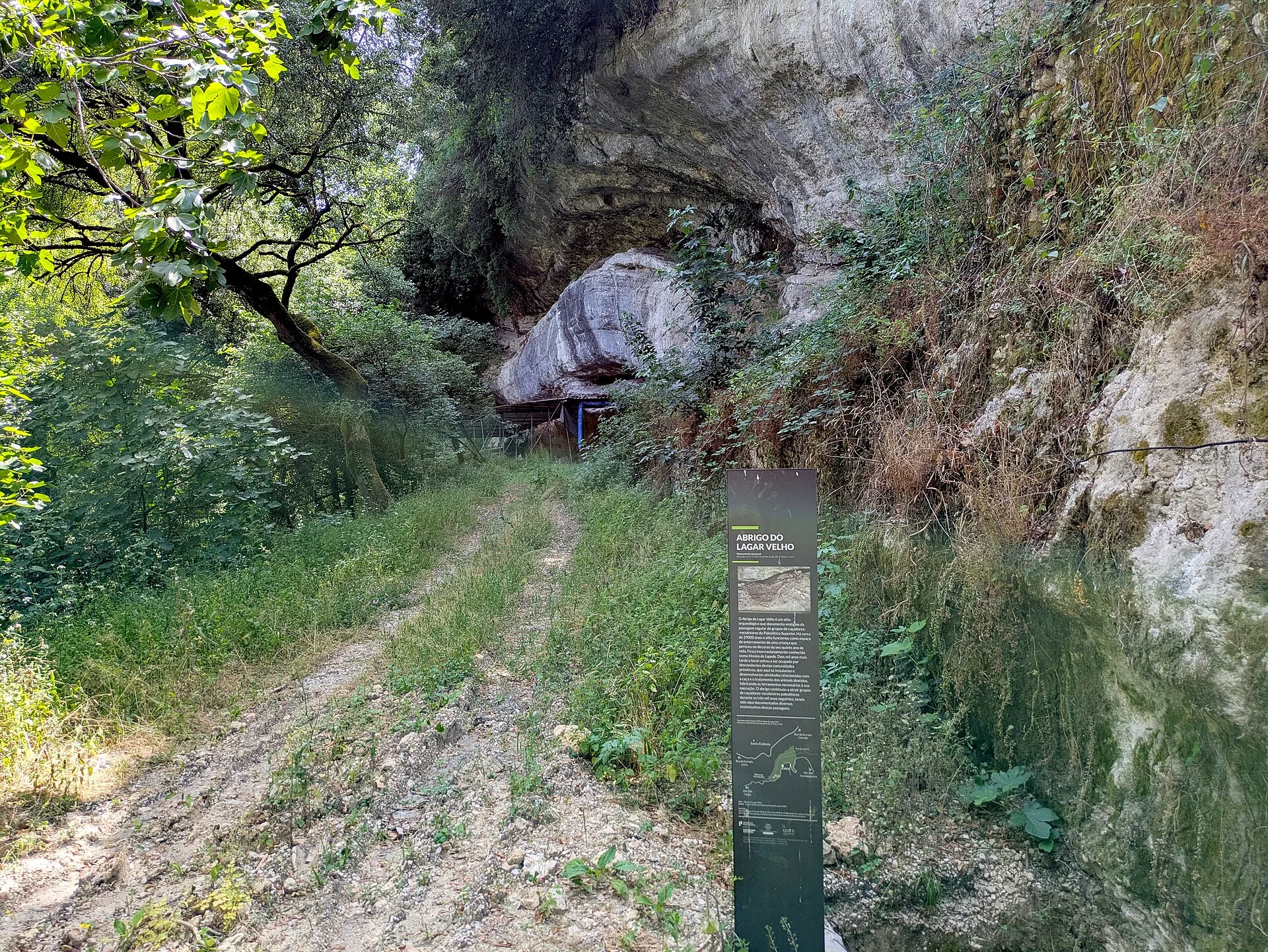
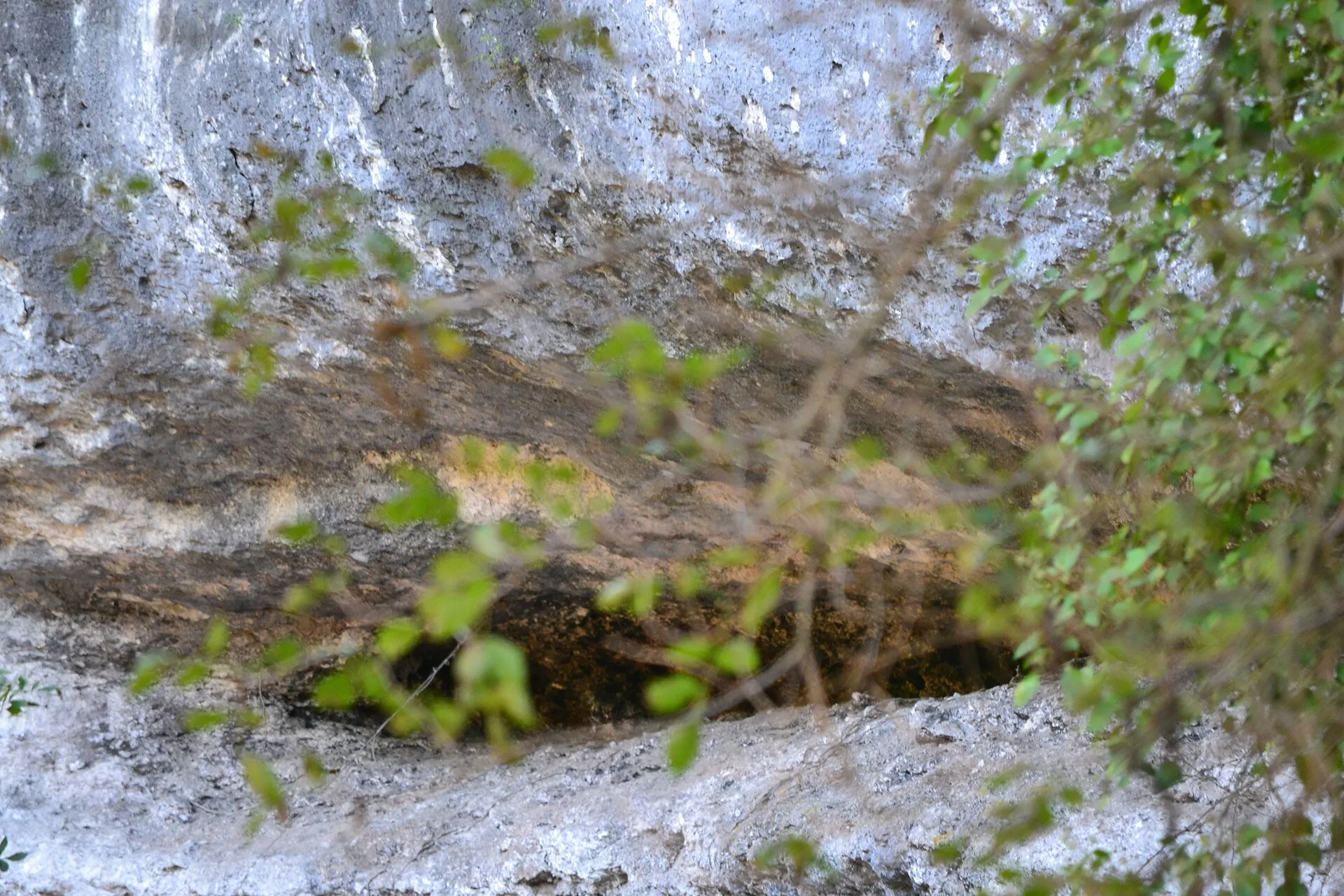
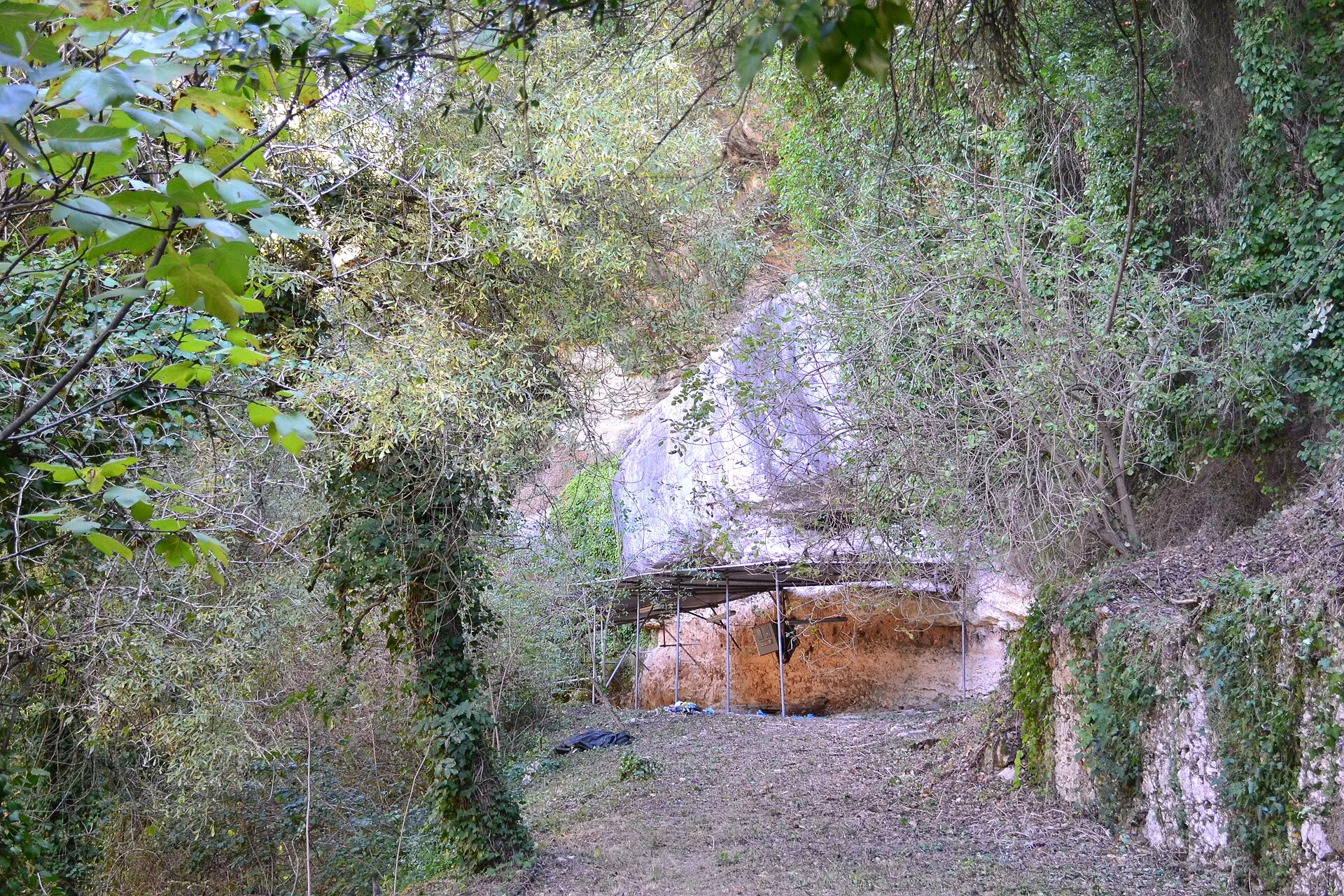
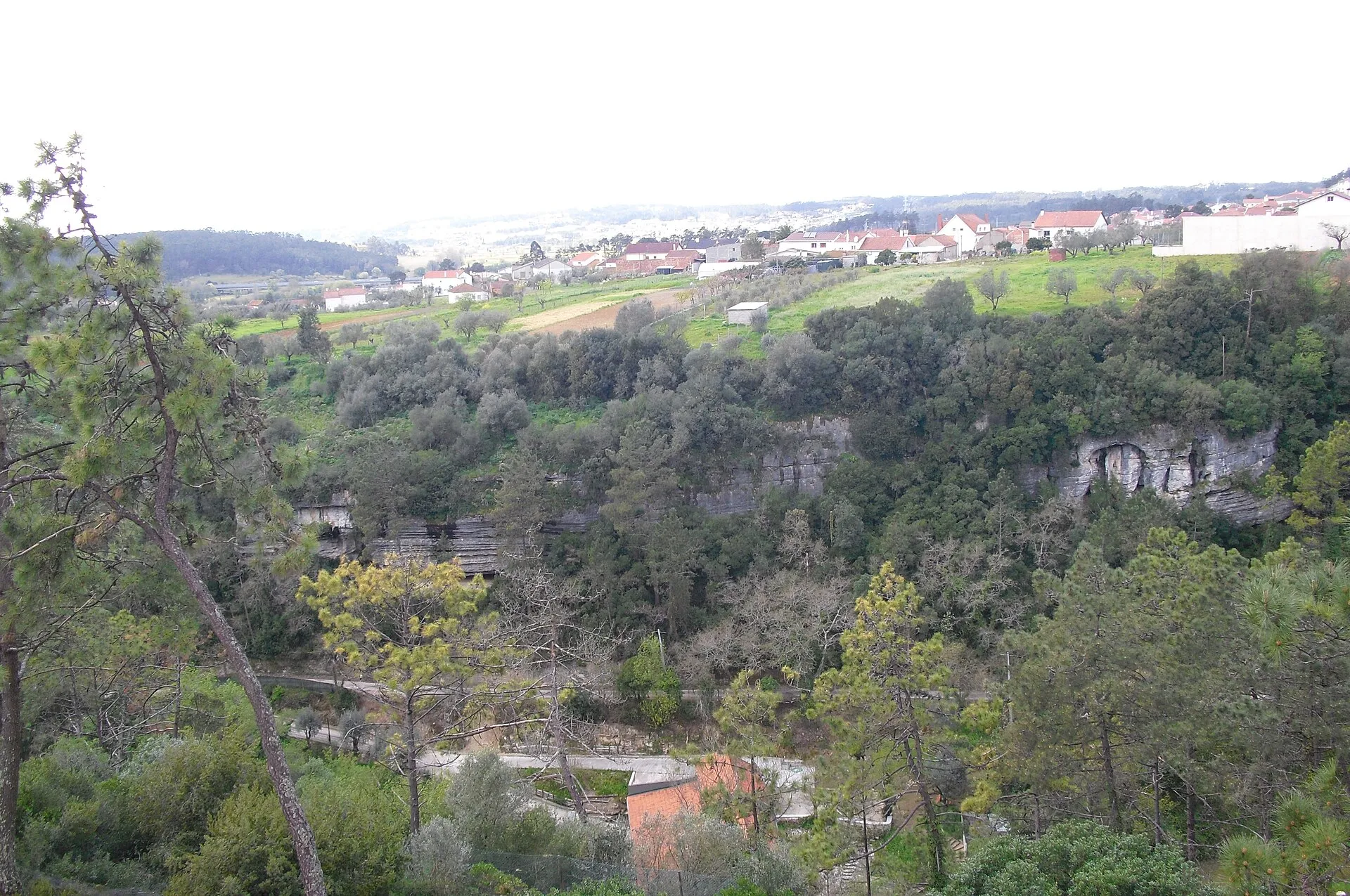
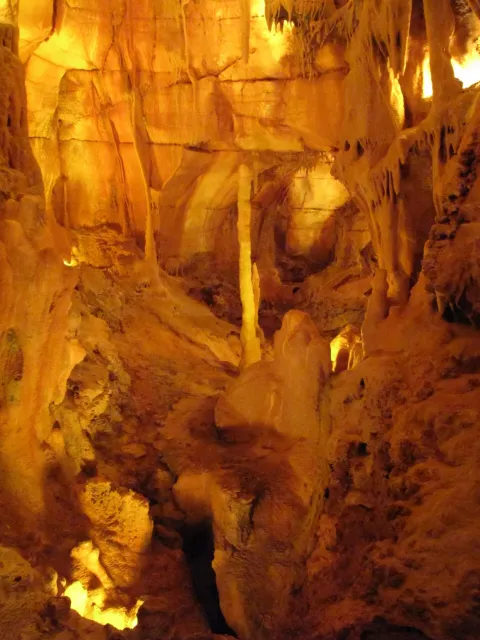
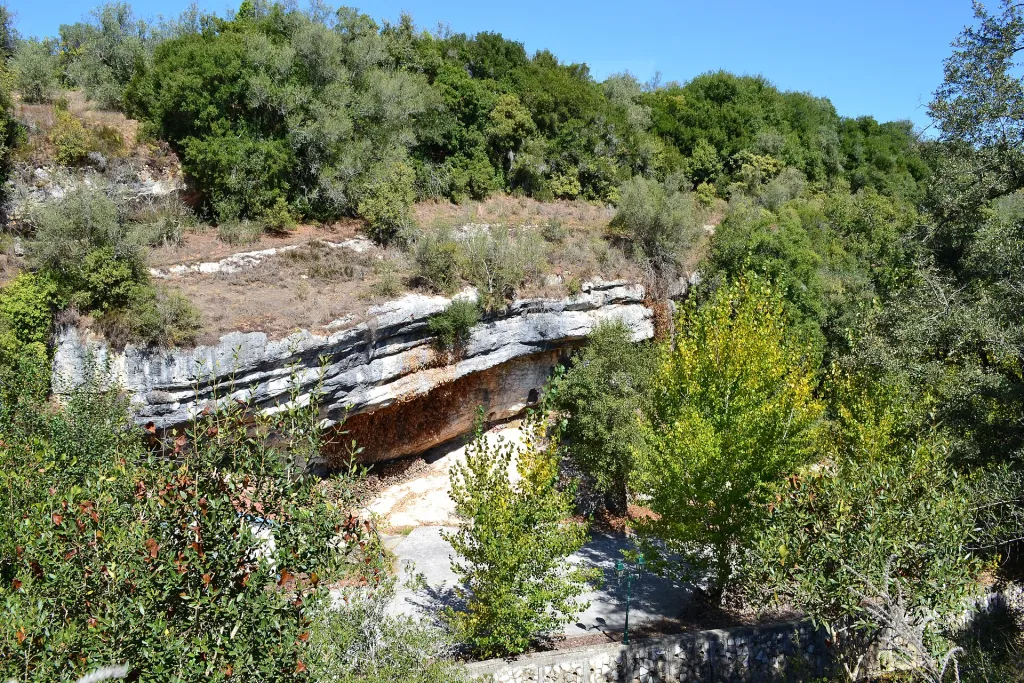
In archaeological terms, the site is known to integrate a stratigraphic sequence representative of much of the Upper Paleolithic human occupations of the region (between about 30,000 and 20,000 years), gathering at various levels respective traces and carved lithic remnants, associated with coeval faunal elements. The site consists of deposits within horizontal fissures, at the base of a limestone cliff, located on the south flank of the Lapedo Valley.
The site was initially damaged by earth removal in 1992, that exposed an Upper Paleolithic sequence, that came within centimeters of the burial. On 28 November 1998, the site was discovered by João Zilhão and was excavated by him together with Cidália Duarte, and Erik Trinkaus from the US, who was consulted because of his experience with Paleolithic remains. The left hand and forearm of a child were initially found and in the following weeks the presence of Paleolithic deposits and the human burial were confirmed. Excavation were carried out between 12 December 1998 and 7 January (with pathological analysis beginning on 4 January 1999). The report issued by Duarte et al in 1999 was the first reported discovery of evidence of genetic mixing of Homo Sapiens and Neanderthals.
In February 2022, part of the rock wall was damaged by vandals. Five hundred osteological fragments and lithic were scattered on the ground. Holes, possibly made with a stick, were found and erosion was ruled out as a cause. The culprits were not identified.

 1 / 5